
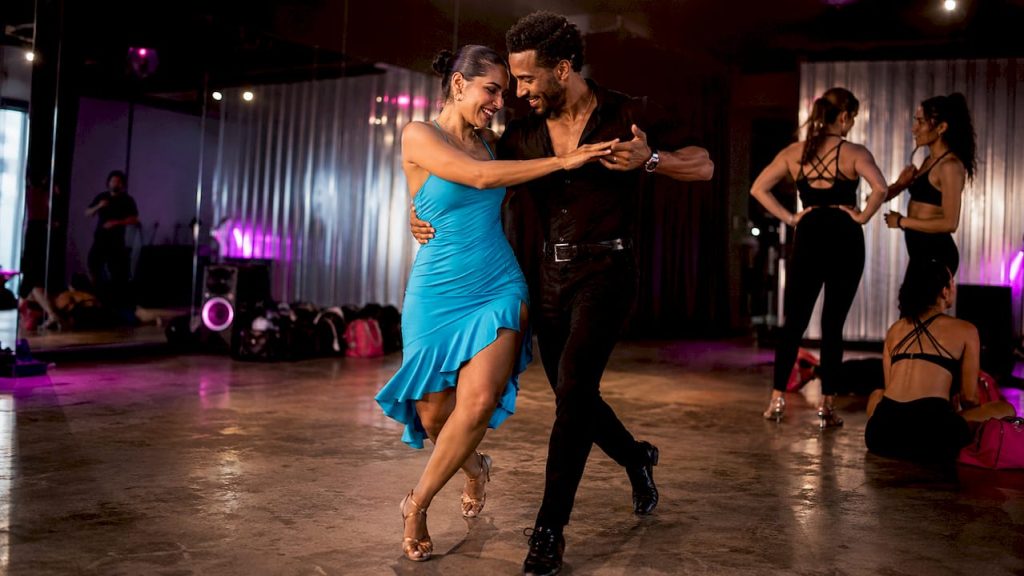
Bachata is defined as a partner dance originating in the Dominican Republic, built on a four-beat rhythm with hip movement, close connection, and expressive footwork. The reasons to try bachata classes go well beyond learning a new skill. Research confirms that regular bachata practice delivers real cardiovascular gains, measurable stress relief, and social bonds that are hard to build anywhere else. Whether you are chasing a fun workout, new friends, or a deeper connection to Latin culture, bachata delivers on all three fronts. Studios like Dennis pasamba in Chicago make it easy to start, with no partner required and classes designed for every level.
1. reasons to try bachata classes start with full-body fitness
Bachata is a full-body aerobic activity that improves heart rate, gait speed, and functional mobility. That means one hour on the dance floor works your core, legs, and cardiovascular system simultaneously. You burn calories, build muscle tone, and improve your balance without ever setting foot in a gym.
The physical benefits of bachata dance are especially strong for coordination. The constant weight shifts, hip rolls, and footwork patterns train your nervous system to move with precision. Over time, your posture improves and your body moves more efficiently in everyday life.
- Raises heart rate into the aerobic zone
- Strengthens core and leg muscles through repeated weight transfers
- Improves balance and spatial awareness
- Builds coordination through rhythmic footwork patterns
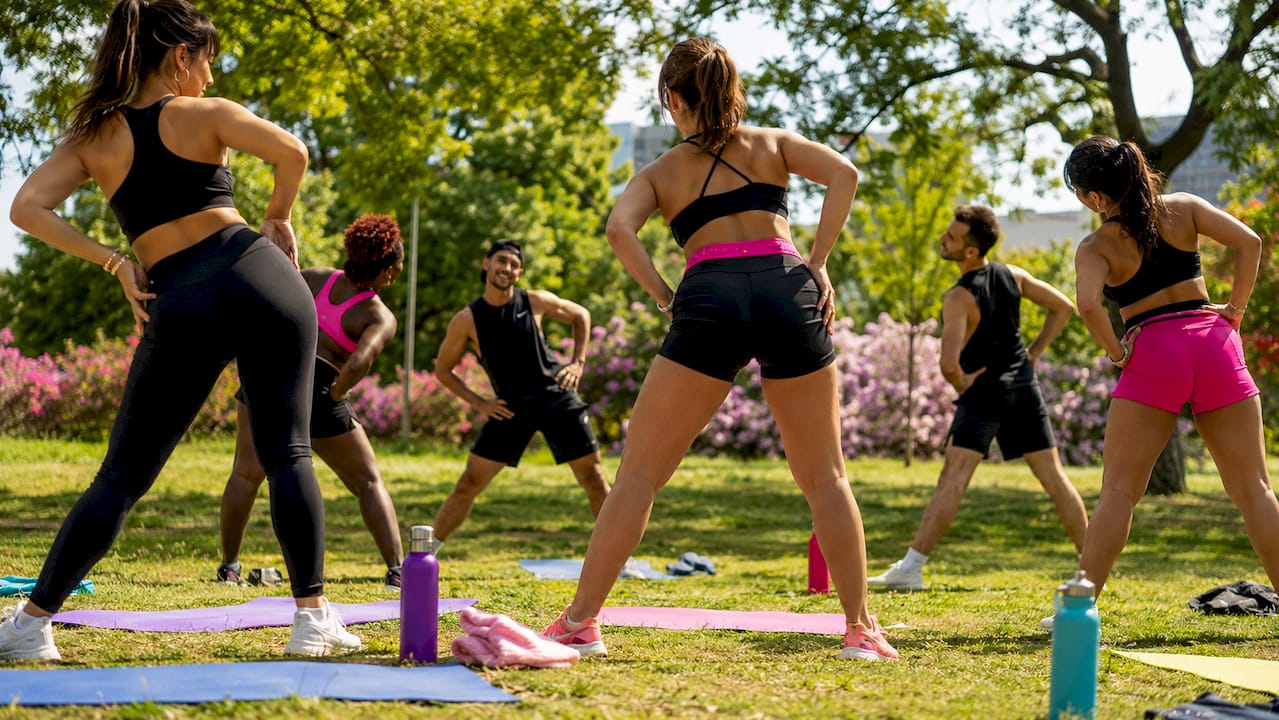
Pro Tip: Pair your bachata classes with a proper warm-up routine before each session. Dynamic stretches and hip circles reduce injury risk and help you get more out of every class.
2. bachata reduces stress and improves mental health
Rhythmic, steady breathing in bachata activates the relaxation response, lowering cortisol and reducing stress naturally. Expert Brian Gonzales identifies breathing coordination with movement as the core mechanism behind this effect. When you sync your breath to the music, your nervous system shifts out of fight-or-flight mode.
The mental health advantages of learning bachata extend beyond stress relief. Mastering new choreography challenges your brain, sharpening memory and focus. Every time you learn a new combination, you build new neural pathways. That cognitive workout is one of the most underrated advantages of bachata classes.
“Dance movement therapy involving Bachata supports recovery from depression by reducing social isolation and giving patients a structured, joyful outlet for emotional expression.”
Clinical case reports document real recovery in depressed patients through structured dance therapy involving bachata. That is not a minor footnote. It means the health benefits of dancing bachata reach into areas that traditional exercise cannot.
3. bachata builds social confidence fast
Bachata compels dancers to break personal barriers, leading to increased social confidence. Dance instructor Monika Acciaio describes bachata as “social glue” because it forces you to connect with a partner through movement, not words. That kind of connection builds trust quickly.
How bachata improves social skills is rooted in its structure. Partner dancing requires you to read body language, respond in real time, and communicate without speaking. Those skills transfer directly to professional networking, dating, and everyday social situations.
- You learn to initiate and respond to non-verbal cues
- You practice mutual respect and physical awareness with every partner
- You build comfort with strangers in a low-stakes, fun environment
- You develop patience and adaptability when things do not go perfectly
Pro Tip: Attend a Friday social at Dennis pasamba after a few classes. Social dancing events are where your skills click into place and friendships form naturally.
4. leading and following teaches empathy
Mastering leading and following in bachata is a mental exercise in empathy that goes well beyond the dance floor. Wasim Ashraf notes that successful dancers balance empathy and cooperation in every exchange with a partner. The lead communicates direction through consistent frame pressure, not force. The follower interprets and responds with equal awareness.
This dynamic teaches you something most fitness classes never touch: how to be fully present with another person. You cannot scroll your phone or zone out when you are responsible for guiding or following a partner through a turn pattern. That presence is a skill, and bachata builds it every single class.
The interplay of leading and following also builds patience. You will not get every combination right on the first try. Neither will your partner. Working through that together creates a kind of trust that is rare and genuinely valuable.
5. exploring bachata dance culture enriches your life
Exploring bachata dance culture connects you to a rich musical tradition rooted in the Dominican Republic. Bachata music follows a 4/4 beat with guitar-driven melodies, percussion, and lyrics that range from heartbreak to celebration. Understanding the music makes you a better dancer and a more engaged listener.
- The guitar is the defining instrument in traditional bachata, setting it apart from salsa and cumbia
- Modern bachata, popularized by artists like Romeo Santos, blends traditional roots with R&B and pop influences
- The dance has spread globally, with thriving communities in Chicago, New York, Los Angeles, and across Europe
- Musical interpretation, including pausing on a rest or accenting a guitar hit, separates good dancers from great ones
When you take bachata lessons, you are not just learning steps. You are learning to hear music differently. That musical awareness carries over into how you experience concerts, playlists, and even everyday sounds.
6. is bachata easy to learn? yes, for beginners
Bachata dance for beginners is genuinely accessible. The basic step is a side-to-side pattern on a four-beat count, with a hip accent on beat four. Most students can execute the foundational pattern within their first class. That early win builds confidence and keeps people coming back.
Experienced dancers value openness to learning basic steps far more than flashy moves from newcomers. That is worth repeating. Nobody expects you to be impressive on day one. The community rewards curiosity and effort, not performance. That makes the beginner experience far less intimidating than most people expect.
The key is choosing the right class format. Group beginner classes at Dennis pasamba are structured so that everyone starts from the same place. No partner is needed, and the instructor breaks down each element before combining them. You learn at a pace that builds real skill without overwhelming you.
7. january is the best time to start
January is the optimal month to start beginner bachata classes because every student in the cohort begins from zero. That shared starting point creates an encouraging, pressure-free environment. You are not walking into a room full of experienced dancers. You are joining a group of people who are all figuring it out together.
Starting in January also aligns with the natural motivation that comes with a new year. Studios like Dennis pasamba launch new class sessions in January specifically to meet this demand. Spots fill up fast, so acting early gives you the best selection of times and formats.
| Starting in January | Starting Mid-Year |
|---|---|
| Full beginner cohort, everyone at the same level | May join a group with mixed experience |
| High energy and motivation in the room | Momentum already established |
| Best class time selection available | Limited spots in popular sessions |
| Natural alignment with personal goals | Requires more self-motivation to integrate |
8. at-home practice accelerates your progress
Practicing 15–20 minutes of bachata footwork at home builds muscle memory faster than class attendance alone. Solo practice lets you repeat a single step dozens of times without holding up a partner or feeling self-conscious. That repetition is how your body internalizes the movement.
The most effective at-home practice focuses on weight shifts and basic footwork, not complex combinations. Stand in front of a mirror and count out the four-beat pattern. Add the hip accent on beat four. Then practice turning your upper body while keeping your feet steady. Dennis pasamba offers a dedicated guide on solo practice techniques that walks you through exactly this process.
Progress in bachata is not linear. Some weeks you will feel like everything clicked. Other weeks a simple turn will feel impossible. Consistent at-home practice smooths out those plateaus and keeps your skills moving forward between classes.
9. bachata creates a community you will want to return to
The social benefits of joining bachata classes extend well beyond the studio. Regular dancers describe the bachata community as one of the most welcoming they have encountered. You will see familiar faces at socials, workshops, and events. Those repeated interactions build real friendships over time.
Dennis pasamba hosts Friday socials, workshops, and themed events that give students a reason to keep showing up. The studio’s 850-plus five-star Google reviews reflect a community where people genuinely enjoy being. Singles and couples are both welcome, and no partner is required to join any class or event.
The community aspect is one of the most underrated reasons why take bachata lessons. A gym membership gives you equipment. A bachata class gives you people. That human connection is what keeps most dancers coming back year after year.
Key takeaways
Bachata classes deliver physical fitness, mental health benefits, social confidence, and cultural enrichment that most single activities cannot match.
| Point | Details |
|---|---|
| Full-body fitness | Bachata raises heart rate and builds coordination, core strength, and balance simultaneously. |
| Stress relief | Synchronized breathing with movement activates the relaxation response and lowers cortisol. |
| Social confidence | Partner dancing builds non-verbal communication skills and breaks personal social barriers. |
| Beginner-friendly | The basic step is accessible in the first class, and experienced dancers value effort over flash. |
| Community connection | Regular classes and socials build genuine friendships that extend well beyond the studio. |
Why bachata changed how i see dance
After 33 years of teaching Latin dance in Chicago, I have watched hundreds of adults walk into their first bachata class convinced they have no rhythm. Most of them are wrong. What they actually lack is permission to move without judgment. Bachata gives them that permission faster than any other dance I teach.
The thing most articles miss is this: the physical and mental benefits are real, but they are not why people stay. People stay because of how bachata makes them feel in the room. There is something about the close connection, the music, and the shared challenge of learning that creates a sense of belonging most adults have not felt since college.
I have seen bachata pull people out of real isolation. Not metaphorically. I have had students tell me directly that class was the only place they felt connected to other people during difficult stretches of their lives. That is not a fitness outcome. That is something deeper, and it is why I believe bachata is one of the most complete activities an adult can pick up.
My honest advice: do not wait until you feel ready. You will never feel ready. Show up, learn the basic step, and let the community do the rest. The common beginner mistakes are easy to avoid once you know what they are, and the upside is enormous.
— Dennis pasamba
Start your bachata journey with dennis pasamba
Ready to take the first step? Dennis pasamba is Chicago’s top-rated Latin dance studio with 850-plus five-star reviews and 33 years of experience. Classes run for all levels, no partner needed, and new sessions are starting now.
Use the beginner studio checklist to find the right class format for your schedule and goals. If you want to move faster, private date night lessons are available for couples who want a personalized start. Spots in beginner groups fill quickly, especially in January. Visit Dennis pasamba to see current schedules, pricing, and upcoming events. Your first class is closer than you think.
FAQ
What are the main health benefits of dancing bachata?
Bachata is a full-body aerobic workout that improves cardiovascular fitness, balance, coordination, and muscle tone. Research also confirms it reduces stress through rhythmic breathing and supports mental health by lowering social isolation.
Is bachata easy to learn for complete beginners?
Yes. The basic bachata step is a four-beat side-to-side pattern that most beginners can execute in their first class. Experienced dancers prioritize foundational steps and openness to learning over complex moves.
Do i need a partner to take bachata classes?
No partner is required. Studios like Dennis pasamba rotate partners during group classes, so you practice with multiple people and build social confidence naturally.
When is the best time to start bachata lessons?
January is the best time to start because beginner cohorts form where every student begins from zero, creating an encouraging and pressure-free learning environment.
How often should i practice bachata to improve quickly?
Practicing 15–20 minutes of footwork at home daily, combined with weekly classes, builds muscle memory faster than class attendance alone and accelerates skill development significantly.