
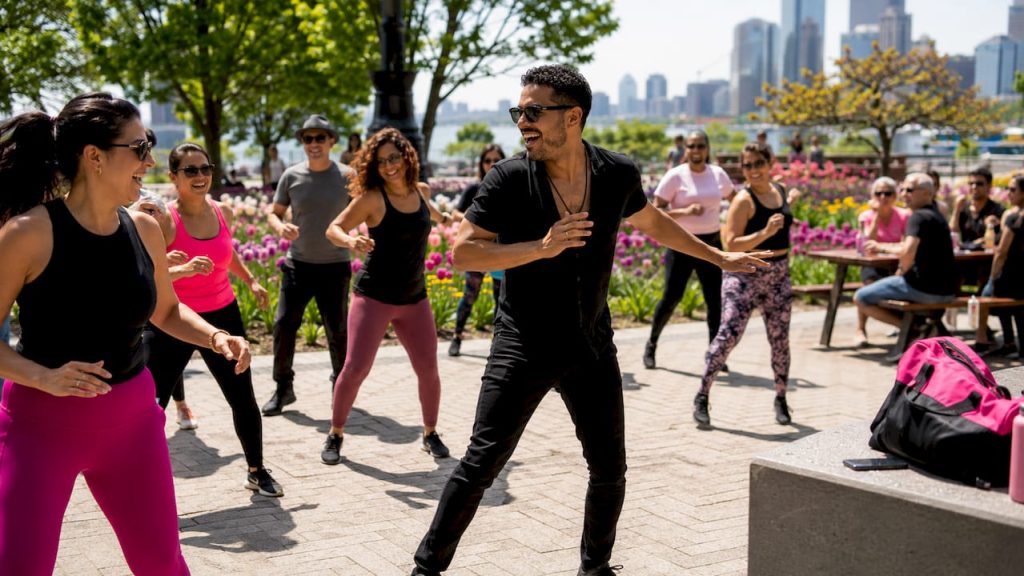
Latin dancing is a proven full-body workout that burns 400 to 600 calories per hour, making it a direct competitor to moderate-intensity gym cardio. If you want to replace gym Latin dancing with something you actually look forward to, Salsa, Bachata, and Cumbia deliver the cardio, strength, and flexibility work your body needs. Chicago’s Latin dance scene has exploded in recent years, with studios offering beginner-friendly classes at every skill level. No partner required. No prior experience needed. Just music, movement, and a community that keeps you coming back.
Can Latin dancing replace gym workouts for fitness?
Latin dance is a full-body fitness activity that combines strength, balance, and endurance in one continuous session. Unlike repetitive gym machines, every song challenges your coordination, core, and lower body at the same time. That variety is exactly what makes it stick as a long-term fitness habit.
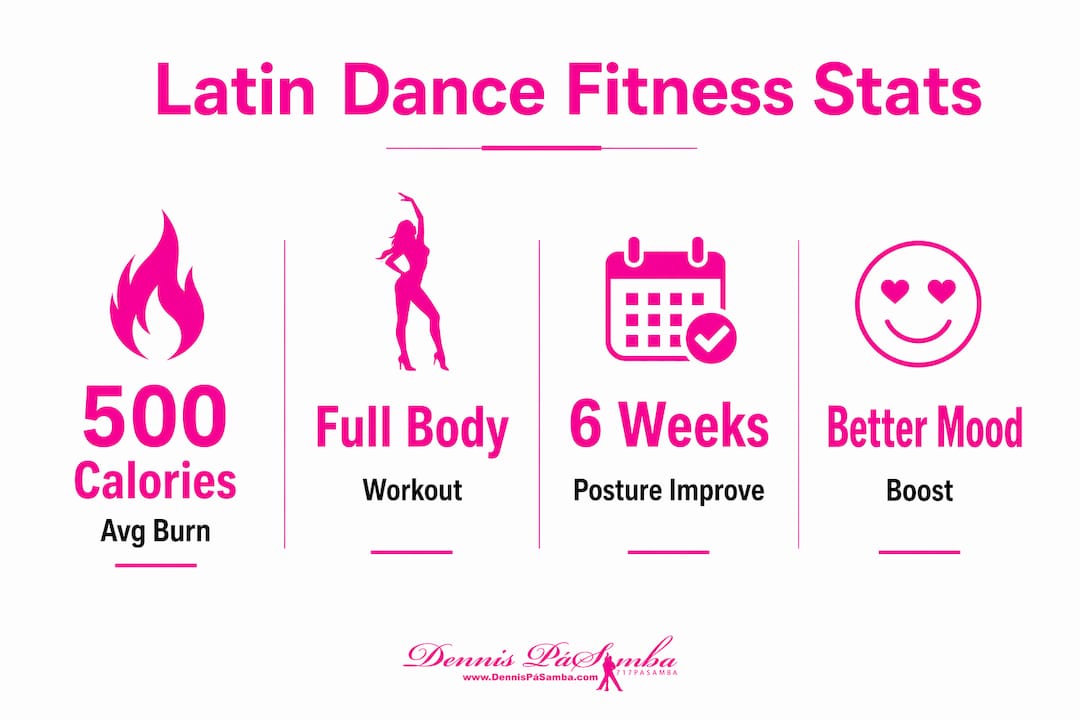
The calorie numbers are real. Salsa burns 400 to 600 calories per hour, which matches a moderate treadmill or elliptical session. The difference is that you rarely notice the effort because the music and social energy keep your attention off the clock.
The mental health benefits are just as strong. Dance programs lasting at least 6 weeks significantly improve emotional wellbeing, often matching the results of traditional therapy. That is a remarkable outcome for something that feels like a Friday night out.
Latin dance also sharpens your brain. Complex movement and partner communication improve cognitive function and mood in ways that solo gym cardio simply cannot replicate. You are making split-second decisions, reading nonverbal cues, and staying rhythmically precise all at once.
Here is a quick look at how the benefits stack up:
| Fitness Area | Gym Cardio | Latin Dance |
|---|---|---|
| Calories per hour | 400–600 | 400–600 |
| Full-body engagement | Moderate | High |
| Cognitive stimulation | Low | High |
| Social connection | Low | High |
| Motivation to return | Variable | Consistently high |
- Cardio: Sustained elevated heart rate throughout each song
- Lower body strength: Footwork, hip movement, and lunges build leg and glute endurance
- Core stability: Every style requires constant core engagement for balance and posture
- Flexibility: Hip circles, arm styling, and partner work increase range of motion
- Mental wellbeing: Music, connection, and movement reduce cortisol and boost dopamine
Pro Tip: If you want to compare Salsa vs. Bachata fitness benefits before picking a style, Dennis pasamba has a detailed breakdown to help you choose.
What do you need to start replacing gym routines with Latin dance?
Getting started is simpler than most people expect. You do not need dance experience, a partner, or expensive gear. You need a few practical things in place before your first class.
Footwear and clothing
Wear sneakers with low grip or smooth soles for your first few classes. High-traction running shoes make pivoting painful and slow down your footwork. Comfortable, breathable clothing that lets your hips move freely is all you need.
Finding the right Chicago studio
Research studios that offer beginner Salsa, Bachata, or Cumbia classes specifically for adults. Look for clear beginner tracks, experienced instructors, and a welcoming social atmosphere. Dennis pasamba, rated 5 stars across 850+ reviews, offers all three styles with structured beginner programs and Friday socials where you can practice in a low-pressure setting.
Budgeting for classes
Drop-in dance fitness classes typically cost $20 to $30, with monthly packages bringing the per-class rate down to $10 to $15. That is comparable to a gym membership when you factor in the social and mental health value you get alongside the physical workout.
Setting realistic goals
- Commit to one style for your first 6 to 8 weeks before exploring others
- Attend at least two sessions per week to build body memory
- Focus on showing up consistently rather than mastering technique quickly
- Track how you feel after class, not just how you look on the floor
Pro Tip: Use Dennis pasamba’s studio selection checklist before signing up anywhere. It covers the questions most beginners forget to ask.
How to structure your Latin dance practice for maximum fitness
A well-structured practice session turns a fun class into a genuine fitness routine. The approach is straightforward and mirrors what personal trainers recommend for gym cardio.
-
Start with a dynamic warm-up. Spend 5 to 10 minutes on hip circles, leg swings, shoulder rolls, and light footwork. Eight dynamic warm-up moves designed specifically for Latin dance prepare your joints and elevate your heart rate before the music starts.
-
Break steps into small units. Learn one pattern at a time rather than trying to string together full routines immediately. Instructors who break patterns into bite-sized units keep your heart rate elevated and your attention engaged throughout the class.
-
Focus on rhythm and connection. Staying on beat and responding to a partner requires active mental engagement. That focus keeps you present in the movement rather than watching the clock.
-
Match your dance frequency to cardio guidelines. Aim for three to four sessions per week, each lasting 45 to 60 minutes. That schedule aligns with standard cardio recommendations for cardiovascular health and weight management.
-
Add strength training if you want to. Medical professionals recommend a hybrid approach for adults focused on weight loss: dance for cardio and gym resistance training for muscle maintenance. Latin dance handles the cardio side exceptionally well on its own, but adding two strength sessions per week accelerates results.
Pro Tip: Check out weeknight class options if your schedule is tight. Evening classes at Dennis pasamba fit easily into a workweek without sacrificing fitness consistency.
What challenges do beginners face when switching to Latin dance?
Switching from the gym to a dance studio brings up real fears. Most of them dissolve within the first two or three classes, but knowing what to expect helps you push through the initial discomfort.
Fear of looking uncoordinated. Every person in a beginner class shares this fear. Instructors at well-run studios design classes so that everyone is learning the same basic steps at the same time. You are not being watched. Everyone is too focused on their own feet.
Social anxiety in group settings. The gym lets you put in earbuds and disappear. Dance class requires interaction. That interaction is also what makes it work. The social aspect of Latin dance studios lowers psychological barriers to exercise, especially for adults who feel too old or too uncoordinated to start. The community pulls you back when motivation dips.
The comparison trap. Beginners who try to learn Salsa, Bachata, and Cumbia simultaneously often feel overwhelmed and quit. Experts advise focusing on one style for 6 to 8 weeks to build foundational body memory before branching out. Progress feels faster and more satisfying when you stay focused.
Sustaining motivation. Gym motivation often depends on willpower alone. Dance motivation comes from the music, the people, and the feeling of getting something right. That is a fundamentally different engine.
“Adults succeed in dance fitness because they focus on enjoyment and community rather than technical perfection. Dance studios turn exercise into playful, social connection, contrasting gym environments where effort can feel like punishment.”
Why I believe Latin dance is the most underrated fitness tool in Chicago
After 33 years of teaching Salsa, Bachata, Cumbia, and more, I have watched hundreds of adults walk into Dennis pasamba burned out on gym routines and walk out with a fitness habit they actually keep. The gym is not the problem. Boredom is the problem.
What surprises most beginners is how quickly the physical results show up. Within four to six weeks, posture improves, core strength increases, and energy levels rise. Those changes happen because Latin dance demands full-body engagement every single class, not just on the days you feel motivated.
The social piece is what most fitness advice ignores entirely. When you build connections in a dance community, you create accountability that no gym membership can replicate. People show up for each other. That consistency is what produces long-term fitness results.
My honest advice: stop waiting until you feel ready. You will never feel ready. Show up, learn one step, and let the music do the rest. The fitness follows automatically.
— Dennis pasamba
Latin dance classes in Chicago are starting now
Dennis pasamba is Chicago’s top-rated Latin dance studio, with 850+ five-star Google reviews and 33 years of teaching experience. Whether you are brand new to dance or returning after a long break, there is a class built for you.
New Salsa, Bachata, and Cumbia classes are starting now at Dennis pasamba, with beginner-friendly formats, no partner required, and Friday socials to practice what you learn. Packages bring the per-class cost down significantly, making it an affordable alternative to a standard gym membership. Before you sign up, use the Latin dance studio checklist to make sure you are choosing the right fit. Singles and couples are both welcome. Gift cards are available too.
Key takeaways
Latin dancing is a complete fitness alternative to the gym, delivering comparable calorie burn, full-body conditioning, and measurable mental health benefits within six weeks of consistent practice.
| Point | Details |
|---|---|
| Calorie burn matches gym cardio | Salsa burns 400–600 calories per hour, equal to moderate treadmill sessions. |
| Mental health benefits are real | Six-week dance programs improve emotional wellbeing at levels matching therapy outcomes. |
| One style first | Commit to Salsa, Bachata, or Cumbia for 6–8 weeks before trying other styles. |
| Social connection drives consistency | Studio community replaces willpower as the primary motivation to keep showing up. |
| Hybrid approach is optional | Adding two strength sessions per week to dance cardio accelerates weight loss results. |
FAQ
How many calories does Latin dancing burn per hour?
Latin dance styles like Salsa burn 400 to 600 calories per hour. That matches the output of moderate-intensity gym cardio such as the elliptical or treadmill.
How long does it take to see fitness results from Latin dance?
Most adults notice improved posture, core strength, and energy within four to six weeks of consistent classes. Mental health benefits from structured dance programs appear after a minimum of six weeks.
Do I need a partner to start Latin dance classes in Chicago?
No partner is required at Dennis pasamba or most beginner-friendly Chicago studios. Group classes rotate partners or teach solo technique, so you can start alone and build confidence at your own pace.
Which Latin dance style is best for fitness beginners?
Salsa is the most common starting point because its footwork pattern is straightforward and the music is widely available. Bachata is a strong alternative for adults who prefer a slower tempo while still getting a full-body workout. Dennis pasamba offers beginner classes in both styles.
Is Latin dance enough exercise on its own, or do I need the gym too?
Latin dance covers cardio and flexibility effectively on its own. Medical professionals suggest adding resistance training two days per week if muscle maintenance or weight loss is a primary goal, but dance alone produces strong cardiovascular and mental health outcomes.