
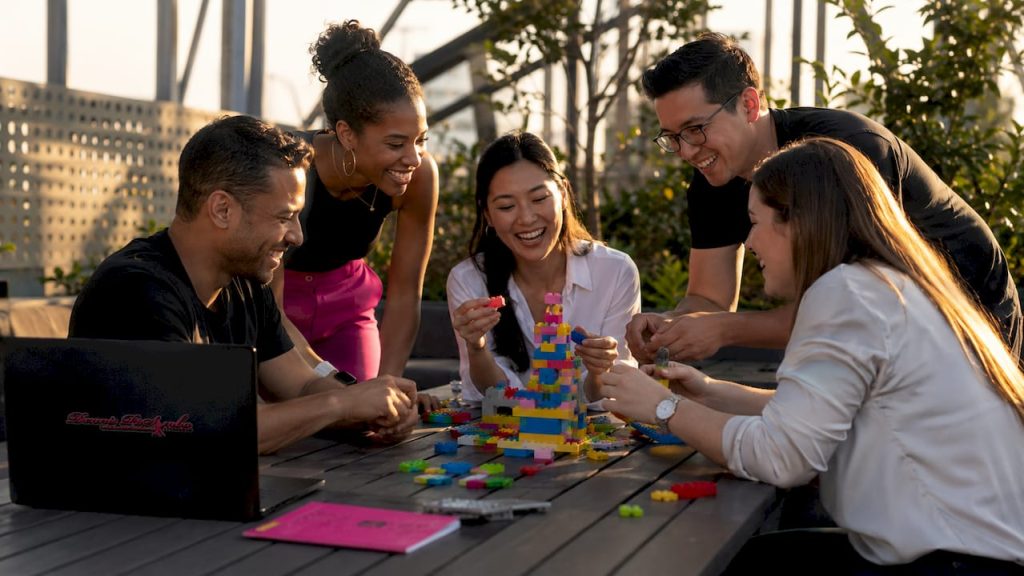
Corporate team building in Chicago is the practice of organizing purposeful group activities and selecting venues that strengthen employee collaboration, morale, and connection within the city’s unique professional culture. Generic icebreakers and forced trust falls no longer cut it. Chicago’s corporate teams need experiences that feel real, not obligatory. The right program builds trust, sharpens communication, and gives people a reason to show up Monday morning with more energy. This guide covers venues, activities, customization strategies, and planning tips so you can run team bonding events that people actually remember.
What types of venues in Chicago support corporate team building?
Chicago offers venue options ranging from mid-range boutique hotels in neighborhoods like Wicker Park to ultra-premium luxury meeting spaces along Michigan Avenue. That range means you can match your venue to your budget and your team’s personality without compromising on atmosphere or logistics.
Boutique hotels in Wicker Park and Logan Square work well for smaller teams of 10–30 people. They offer a relaxed, creative feel that loosens people up before activities even begin. Luxury Michigan Avenue properties suit larger conferences and executive retreats where polish and prestige matter to stakeholders.
Offsite event spaces give you the most flexibility. Many Chicago venues offer onsite facilitation, catering coordination, and AV setup as part of a single package. That removes the logistical burden from your HR team and lets facilitators focus on programming.
Key factors to weigh when choosing a venue:
- Group size: Boutique spaces cap out around 50 people; larger venues handle 200 or more.
- Atmosphere: A loft in the West Loop signals creativity. A boardroom on the 40th floor signals formality. Match the space to the message.
- Accessibility: Teams traveling from suburban offices need parking or proximity to the Blue or Red Line.
- Amenities: Look for breakout rooms, catering options, and outdoor access for mixed-format programming.
One underused option is the dance studio rental format. Private studio spaces in Chicago offer open floors, sound systems, and experienced facilitators at a fraction of the cost of hotel event rooms.
Which team building activities in Chicago actually improve collaboration?
The most effective team building activities in Chicago are those that reflect the city’s energy. Chicago’s team culture favors competitive, physical, and social formats. WhirlyBall, axe throwing, and shuffleboard consistently rank among the most popular choices because they shed professional guards fast.
Applied improv workshops at iO Theater Chicago take a different approach. Improv sessions are designed to build trust, communication, and collaboration through customized, inclusive exercises. Participants practice listening, adapting, and supporting each other in real time. Those are exactly the skills that transfer back to the office.
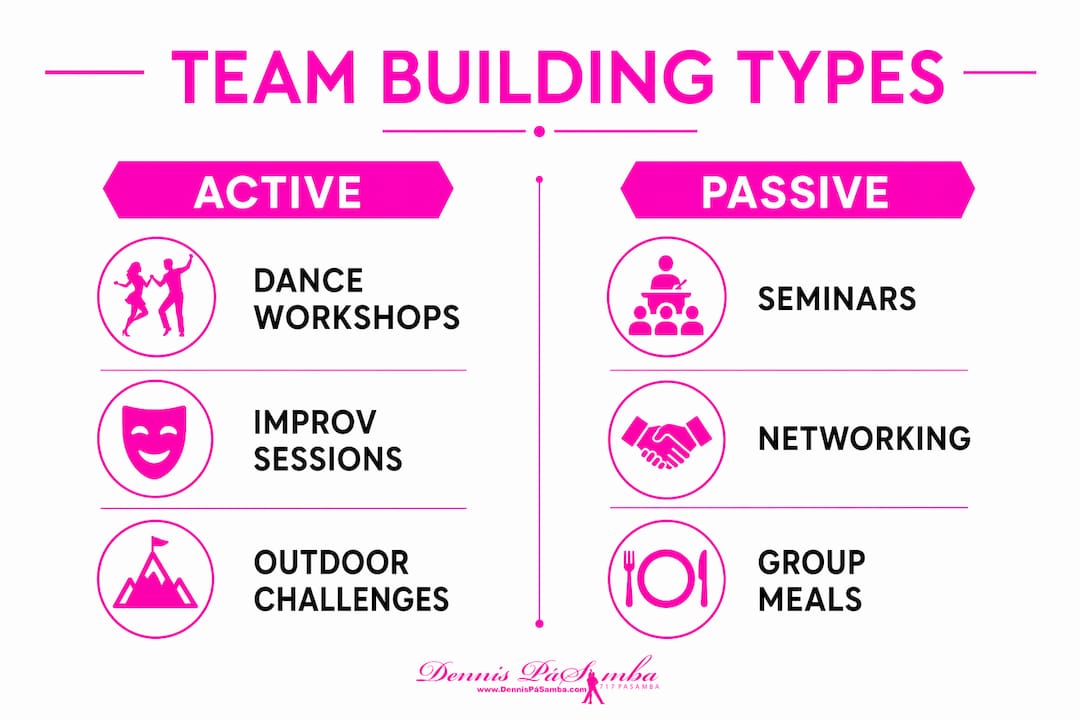
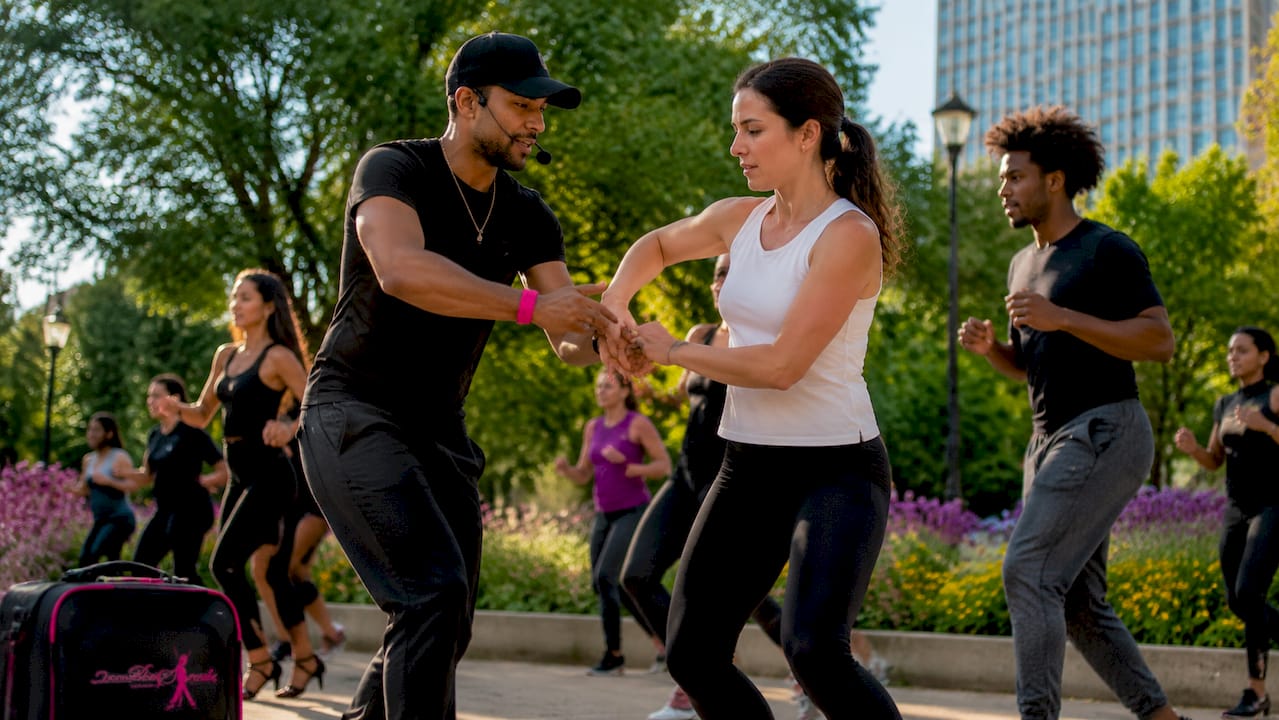
Creative workshops like cooking classes, art sessions, and Latin dance lessons add a social layer that purely competitive activities miss. Dance, in particular, requires you to pay attention to your partner, respond to rhythm, and move together. That physical coordination builds a kind of trust that a whiteboard exercise cannot replicate.
Popular activity categories for Chicago corporate teams:
- Physical and competitive: WhirlyBall, axe throwing, bowling, escape rooms
- Creative and expressive: Improv workshops, cooking classes, Latin dance lessons, art jams
- Skill-based: Leadership training, communication workshops, applied improv
- Social and low-key: Trivia nights, wine tastings, shuffleboard leagues
Pro Tip: Book activities at least six weeks in advance for groups over 20. Chicago’s best facilitators and venues fill up fast, especially from september through november when corporate event season peaks.
The most effective activities are customized to specific organizational goals rather than pulled from a generic catalog. A team struggling with cross-department communication needs something different from a team that just went through a merger. Specificity is what separates a memorable event from a forgettable afternoon.
How do you tailor team building to diverse personalities and goals?
Not everyone on your team is an extrovert. Forcing a shy analyst onto a stage for improv or into a competitive game they hate creates resentment, not connection. Experienced facilitators design inclusive sessions that engage both introverts and extroverts without putting anyone on the spot.
The key is low-pressure entry points. A good facilitator starts with observation exercises before asking anyone to perform. They build psychological safety gradually. By the time the group is doing something that feels vulnerable, trust is already in the room.
Customization also means aligning activities with your actual organizational goals. A few examples:
- Bridging remote and in-office teams: Choose activities that require verbal communication and active listening, not just physical presence.
- Breaking down silos: Mix departments deliberately. Seat the finance team with the creative team. Assign cross-functional groups for every exercise.
- Leadership development: Use facilitated debrief sessions after activities to draw out lessons about decision-making and accountability.
- Culture building: Choose activities that reflect your company’s values. A company that values creativity should not run a generic trivia night.
Pro Tip: Ask your facilitator for a pre-event survey. A five-question form sent to participants two weeks before the event tells you who has mobility limitations, who is uncomfortable with physical contact, and what the team actually wants to do. That data shapes a better program.
Purpose-driven events consistently outperform generic ones in participant satisfaction and lasting impact. The difference is not the activity itself. It is the intention behind it.
What planning strategies make team bonding events in Chicago succeed?
The single most common planning mistake is over-programming. Packing every hour with structured activities leaves no room for the organic conversations that actually build relationships. The best team bonding happens during the breaks, not the sessions.
Corporate retreats in Chicago do not require leaving the city to feel transformative. Intentional space and thoughtful programming create a sanctuary-like experience inside the city limits. That means you save on travel costs while still giving your team a genuine mental shift from the daily routine.
A practical planning checklist for Chicago team events:
- Set a clear objective. Write one sentence that describes what success looks like. Share it with your facilitator before the event.
- Choose a venue that fits the tone. Creative goals need creative spaces. Formal goals need polished environments.
- Build in unstructured time. Balancing structured activities with free time reduces burnout and encourages genuine connection.
- Hire a facilitator. Do not ask a manager to run the program. Facilitators hold the room differently than internal leaders.
- Plan transportation. Chicago traffic is real. If your venue is not on a major transit line, arrange shuttles or rideshare credits.
- Follow up within 48 hours. Send a short survey and a summary of key moments. Reinforce what the team experienced together.
Chicago’s local culture and venues give you a built-in advantage. The city’s energy is competitive, creative, and community-oriented. Lean into that. Use Chicago-specific activities and settings to make your event feel like it could only happen here.
Key Takeaways
The most effective corporate team building in Chicago combines customized activities, intentional venue selection, and balanced programming that gives teams both structure and space to connect.
| Point | Details |
|---|---|
| Venue variety matters | Chicago offers options from boutique Wicker Park spaces to luxury Michigan Avenue venues for every budget and group size. |
| Customization beats generic | Activities aligned to specific goals like breaking silos or bridging remote teams deliver measurably better outcomes. |
| Inclusive facilitation is non-negotiable | Experienced facilitators design sessions that engage introverts and extroverts without forced participation. |
| Avoid over-programming | Leaving unstructured time in the schedule prevents burnout and creates space for genuine conversation. |
| Chicago culture is an asset | City-specific activities like improv, dance, and WhirlyBall make events feel local, memorable, and worth attending. |
Why dance-based team building deserves a serious look
I have watched hundreds of corporate groups walk into a room stiff, quiet, and skeptical. Within 20 minutes of a Latin dance workshop, those same people are laughing, making eye contact, and actually talking to colleagues they have worked next to for years without ever really connecting.
Dance does something that most team building formats cannot. It requires you to be present. You cannot check your phone. You cannot coast. You have to listen, respond, and move with another person. That physical and social demand creates a kind of attention and trust that a ropes course or a trivia night rarely achieves.
What I have also noticed is that dance levels the playing field in a way that competitive activities do not. The VP and the junior analyst are both beginners. Nobody has a rank advantage on the dance floor. That equality changes the dynamic in the room fast.
The teams that get the most out of these sessions are the ones whose leaders participate fully. When the manager is out there learning Salsa alongside their team, it signals something important. It says: we are all here to grow, and nobody is above looking a little silly in the process. That message lands harder than any keynote.
— Dennis pasamba
Dennis pasamba’s corporate dance workshops in Chicago
Dennis pasamba brings 33 years of dance experience and a 5-star Google rating from 850 or more reviews to every corporate event. The studio offers fully customizable group dance workshops covering Salsa, Bachata, Cumbia, and more, designed specifically for corporate teams of all sizes and experience levels. No partner is needed, and no prior dance experience is required.
Whether your team is 10 people or 100, Dennis pasamba builds a program around your goals, your schedule, and your team’s comfort level. Evening formats work perfectly for after-work events, and private group sessions can be held at the studio or at your chosen venue. Beginner dance classes are a great entry point for first-time groups, while teams ready for more can step into intermediate Latin dance formats. Reach out to Dennis pasamba directly at dennispasamba.com to book your corporate workshop.
FAQ
What is corporate team building?
Corporate team building is the practice of organizing structured group activities designed to improve employee collaboration, communication, and morale. Effective programs align activities with specific organizational goals rather than using generic formats.
How far in advance should I book a Chicago team building event?
Book at least six weeks ahead for groups over 20 people. Chicago’s top facilitators and venues fill quickly, particularly during the fall corporate event season from september through november.
Do corporate retreats in Chicago need to leave the city?
No. Intentional programming and venue selection within Chicago can create a retreat-like experience without the cost or logistics of travel.
What makes dance an effective team building activity?
Dance requires active listening, physical coordination, and real-time response to a partner. Those demands build trust and communication skills that transfer directly to workplace collaboration.
How do I choose between activity types for my team?
Start with your organizational goal. Teams needing better communication benefit from applied improv or dance. Teams needing to break down silos benefit from cross-departmental competitive formats. Match the activity to the outcome you want.