
Dance is defined as one of the most effective work-life balance activities available to adults, combining physical exercise, emotional release, and social connection in a single practice. Unlike gym workouts or meditation apps, dance engages your body, mind, and nervous system at the same time. Research confirms that a structured dance program produces a 16% reduction in anxiety scores and a 30% increase in dopamine levels. That combination makes dance far more than a hobby. It is a proven tool for stress relief and sustainable well-being.
What are the physical and psychological benefits of dance for stress relief?
Dance is a full-spectrum health intervention that benefits your body, emotions, and social health at the same time. Few other activities deliver that range. A 2024 meta-analysis of 55 trials found that dance outperforms nine other exercise forms in reducing depressive symptoms and improving balance. That finding alone should change how you think about your after-work routine.
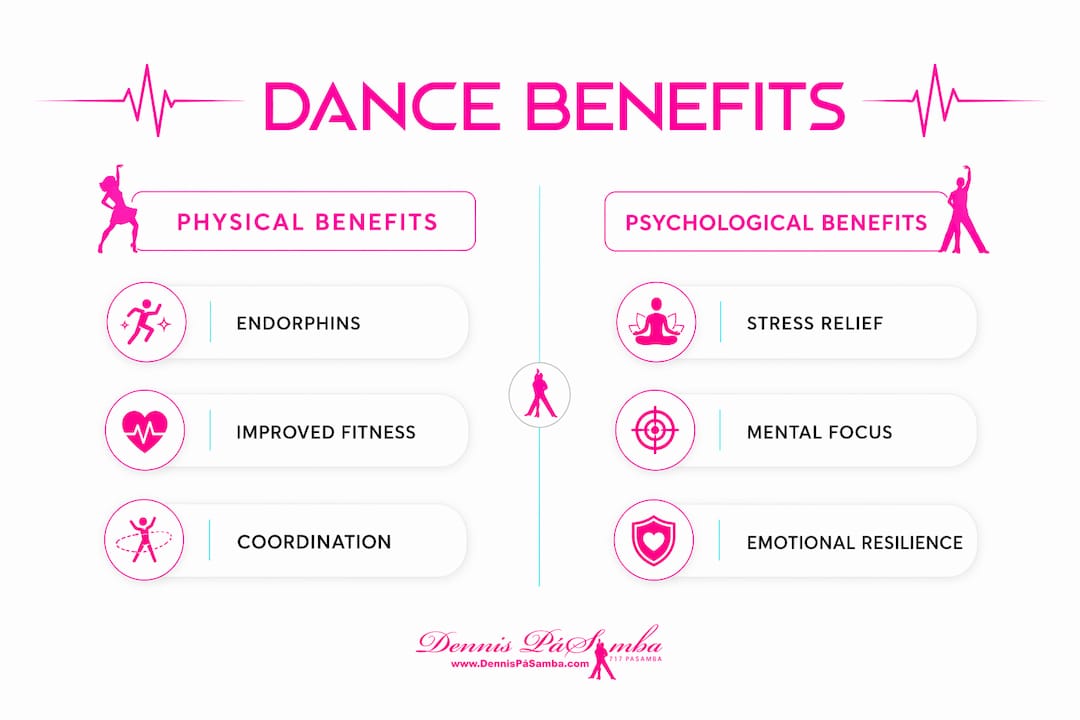
The physiological mechanism is direct. Dance boosts endorphins, dopamine, and serotonin, which counteract the stress hormones cortisol and adrenaline. When cortisol drops, your nervous system shifts from fight-or-flight into recovery mode. That shift is what makes you feel calmer and clearer after a dance session.
The type of dance you choose affects the specific physical response you get. Structured sessions and free-form movement produce measurably different results:
| Dance format | Heart rate response | Primary benefit |
|---|---|---|
| Structured (guided music) | 18.5% increase in heart rate variability | Nervous system calming |
| Free-form dance | Reaches 75% of personal max heart rate | Vigorous cardiovascular exercise |
| Latin styles (Salsa, Bachata) | Moderate to high intensity | Cardio plus social connection |
| Slow structured styles (Tango, Kizomba) | Lower intensity | Focus, presence, emotional regulation |
Heart rate variability is a direct marker of nervous system health. A higher score means your body recovers from stress faster. That 18.5% increase from structured dance sessions is a concrete, measurable sign that your body is learning to calm itself.
“Dance is not just exercise. It is a full-spectrum intervention that addresses physical, emotional, and social health simultaneously, making it uniquely suited for people managing chronic stress.”
How does dance improve mental focus and resilience at work?
Dance training builds focus, patience, and work ethic that transfer directly into professional life. These are not soft claims. Practitioners who study disciplines like Kathak, Salsa, or Bachata report that dance teaches calmness under pressure and adaptive responses to unexpected challenges. Those are exactly the skills that separate high performers from burned-out ones.
Dance also works on a neurological level that bypasses overthinking. Movement communicates directly with the nervous system, releasing emotional tension without requiring you to analyze or verbalize your stress. That is why you can walk into a class feeling wound up and walk out feeling reset. The body processes what the mind cannot.
Creative disciplines like dance feed back into technical professions by building cognitive flexibility and problem-solving capacity. A lawyer who dances Kathak, an engineer who takes Salsa classes, or a manager who attends Friday socials all develop a mental agility that shows up in their work. The discipline required to learn choreography mirrors the discipline required to master a complex professional skill.
The mental benefits you gain from regular dance practice include:
- Reduced cognitive overload: Dance forces present-moment focus, giving your prefrontal cortex a genuine rest from planning and problem-solving.
- Improved emotional regulation: Repeated exposure to rhythm and movement trains your nervous system to return to calm faster after stress spikes.
- Greater patience: Learning sequences that take weeks to master builds tolerance for slow progress, which is directly useful in long-term projects.
- Stronger social confidence: Partner dances like Bachata and Salsa require nonverbal communication, which sharpens your ability to read people at work.
- Resilience to failure: Missing a step and continuing without stopping is a physical rehearsal for professional setbacks.
Pro Tip: If you finish a workday feeling mentally stuck, skip the analysis and go straight to movement. A 45-minute dance class will clear your head faster than an hour of journaling.
What practical methods help adults integrate dance into a busy schedule?
Adults who sustain a dance practice long-term attend 1–3 sessions per week. That frequency is enough to build skill and feel the stress-relief benefits without tipping into burnout. Going every day when you are new is the fastest way to quit by week three.
The single most effective mindset shift is treating your dance class as a hard boundary that marks the end of the workday. When dance becomes a ritual rather than an optional activity, it creates a psychological line between work time and personal time. That line is what most adults are missing. Without it, work bleeds into every hour of the evening.
Here is a practical plan for fitting dance into a full schedule:
- Block your sessions first. Add dance classes to your calendar before you schedule anything else. Treat them like client meetings you cannot cancel.
- Choose a studio near your commute. The closer your studio is to your office or transit route, the less friction between work and class. Dennis pasamba is located in Chicago with weeknight class options designed for working adults.
- Start with group classes. Group formats like Salsa or Bachata give you structure, social energy, and a fixed time commitment. You do not need a partner to join.
- Use free dance at home on off days. Put on music and move without any goal. This is not practice. It is decompression. Five minutes counts.
- Rotate formats to stay engaged. Alternate between structured classes, social dances, and workshops to keep the practice fresh and prevent routine fatigue.
- Set a three-month commitment. Skill and stress-relief benefits compound over time. Committing to 12 weeks before evaluating whether dance is “working” gives the practice a fair chance.
Pro Tip: Pack your dance shoes in your work bag the night before. Removing that one prep step eliminates the most common reason adults skip class after a long day.
How do different dance styles compare for health and well-being?
Different dance styles produce different physical and emotional outcomes. Choosing the right style for your personality and schedule is what makes the practice stick. A comparison of dance styles shows clear differences in intensity, emotional engagement, and social benefit.
| Dance style | Physical intensity | Emotional engagement | Best for |
|---|---|---|---|
| Salsa | High | High energy, joyful | Cardio, social confidence |
| Bachata | Moderate | Expressive, intimate | Emotional release, connection |
| Cumbia | Moderate | Playful, rhythmic | Beginners, fun-focused adults |
| Kizomba | Low to moderate | Deeply present, calming | Stress relief, mindfulness |
| Tango | Moderate | Intense focus, discipline | Cognitive engagement, patience |
| Swing | High | Upbeat, playful | Cardio, social energy |
Free-form styles and high-energy Latin dances like Salsa deliver vigorous cardiovascular exercise. That matters because cardiovascular health directly affects how well your body manages stress hormones over time. Slower, more structured styles like Kizomba and Tango build the focused presence that helps you stay calm under professional pressure.
Latin styles are particularly accessible for adults who are new to dance. Salsa and Bachata classes at Dennis pasamba welcome singles and couples at all levels. No partner is needed to start. The community aspect of group classes adds a social benefit that solo exercise cannot replicate. Human connection is one of the most effective buffers against workplace stress.
Key Takeaways
Dance is the most effective work-life balance activity for adults because it simultaneously reduces cortisol, builds emotional resilience, and creates a clear psychological boundary between work and personal time.
| Point | Details |
|---|---|
| Dance reduces stress chemically | It boosts dopamine and serotonin while lowering cortisol and adrenaline after each session. |
| 1–3 sessions per week is the target | That frequency builds skill and delivers stress relief without causing burnout or schedule overload. |
| Treat dance as a daily ritual | Scheduling it as a hard boundary after work creates the mental separation most adults are missing. |
| Style choice affects outcome | High-energy styles like Salsa build cardio and confidence; slower styles like Kizomba build calm focus. |
| Mental benefits transfer to work | Dance builds patience, emotional regulation, and cognitive flexibility that improve professional performance. |
Why dance is the one work-life balance habit I keep coming back to
I have watched hundreds of adults walk into Dennis pasamba carrying the full weight of a demanding week. They are tense, distracted, and often skeptical that a dance class will do anything for them. By the end of the session, something has shifted. Not because we told them to relax. Because their bodies did the work.
What I have learned over 33 years of teaching is that dance works differently from other stress-relief practices. Yoga asks you to be still. The gym asks you to push harder. Dance asks you to be present and playful at the same time. That combination is rare. It is also exactly what a stressed professional brain needs most.
The adults who get the most out of dance are not the ones who practice the most. They are the ones who treat it as a ritual they protect. They block Tuesday and Thursday evenings. They show up even when they are tired. They stop checking their phones at the studio door. That mental framing is what separates people who dance for a few months from people who dance for decades.
Dance also does something that no productivity tool can replicate. It reminds you that your body is not just a vehicle for getting work done. You are allowed to move for joy. You are allowed to be bad at something and laugh about it. That permission is more restorative than any vacation.
If you are learning dance as an adult for the first time, know that the awkward early weeks are part of the process. Push through them. The payoff on the other side is a practice that will serve your health, your focus, and your happiness for the rest of your life.
— Dennis pasamba
Dance classes at Dennis pasamba for working adults in Chicago
Dennis pasamba is Chicago’s top-rated Latin dance studio with over 850 five-star Google reviews and 33 years of teaching experience. Classes cover Salsa, Bachata, Cumbia, Kizomba, and more, all designed for adults at every level.
No partner is needed. Beginner classes run on weeknights to fit around your work schedule. Private 1-on-1 lessons, group workshops, and Friday socials give you multiple ways to build your practice. If you are ready to make dance your go-to stress-relief habit, beginner Latin dance classes are the best place to start. Not sure what to look for in a studio? The dance studio checklist walks you through every question worth asking before you sign up.
FAQ
How often should adults dance for work-life balance benefits?
Attending 1–3 dance sessions per week is the most sustainable frequency for busy adults. That schedule builds skill and delivers consistent stress-relief benefits without causing burnout.
Does dance actually reduce stress, or is it just exercise?
Dance reduces stress through a specific neurochemical process. It raises dopamine and serotonin levels while lowering cortisol and adrenaline, producing effects that go beyond standard cardiovascular exercise.
What dance style is best for stress relief?
Slower, structured styles like Kizomba and Tango build calm focus and present-moment awareness. High-energy styles like Salsa and Bachata deliver cardiovascular benefits and social connection, both of which buffer against workplace stress.
Do I need a partner to start dance classes?
No partner is needed. Group classes at studios like Dennis pasamba welcome singles and couples equally. Partner rotation in group settings means you will dance with multiple people each class.
How long before I notice the mental health benefits of dancing?
A structured 24-session dance program produces measurable reductions in anxiety scores. Most adults report feeling calmer and more focused within the first two to three weeks of consistent attendance.