
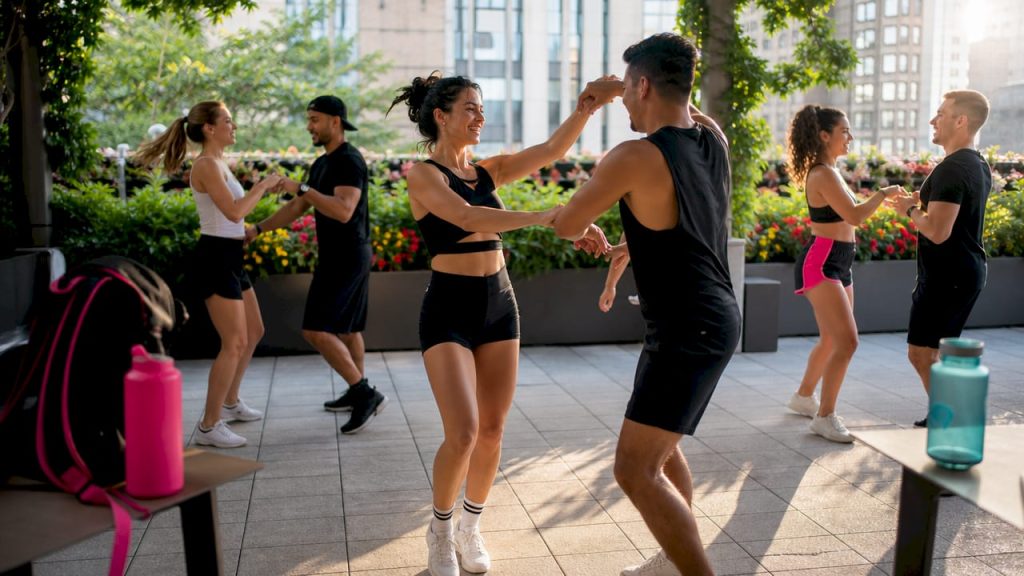
Making friends at a dance studio is one of the most direct and reliable ways adults aged 21 to 45 build genuine social connections outside of work. Social Latin dance classes, known in the dance community as “social dancing,” are specifically designed to rotate partners, reduce awkwardness, and create repeated contact between strangers. At Dennis pasamba in Chicago, that structure is built into every beginner Salsa, Bachata, and Cumbia class. You don’t need a partner, prior experience, or a reason beyond wanting to meet new people.
Why making friends at a dance studio works so well
The secret is structural. Partner rotation systems are deliberately built into Latin dance classes to move students beyond surface-level greetings and into real interaction. You don’t just meet one person per class. You meet eight, ten, sometimes the entire room. That kind of repeated, low-pressure contact is exactly what adult friendships need to form.
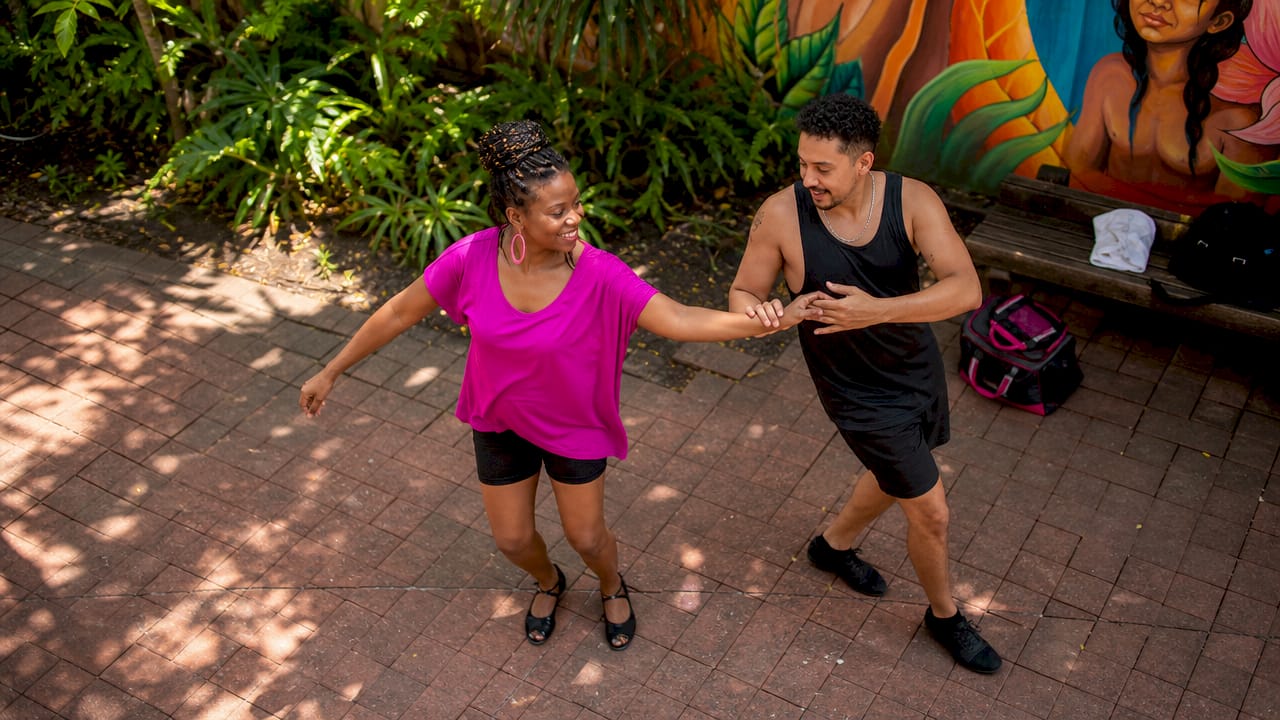
Social dancing also removes the usual barriers. Studios brand classes as “no experience needed” to actively encourage singles and couples to walk in without a partner or any background in dance. That shared starting point matters. When everyone is a beginner, no one feels judged. The playing field is level, and that levels the social walls too.
There’s also something deeper at work. Dance requires vulnerability that most hobbies don’t. You’re moving your body, making mistakes in front of others, and laughing about it together. That shared vulnerability accelerates connection faster than a networking happy hour ever could. Friendships formed in dance studios regularly extend beyond the studio into real life.
Here’s what makes the environment work in your favor:
- No partner required. You rotate through the room, which means you’re not stuck with one person all night.
- Beginner-friendly format. Everyone starts at the same level, which eliminates the intimidation factor.
- Shared learning. Struggling through the same footwork together builds camaraderie quickly.
- Positive culture. Instructors emphasize effort over outcomes, which keeps the mood light and social rather than competitive.
- Consistent schedule. Weekly classes mean you see the same faces repeatedly, and repetition is the foundation of friendship.
Pro Tip: Wear comfortable, breathable clothing and shoes with smooth soles on your first night. When you’re physically comfortable, you’re more socially open. Sneakers with grip can make footwork awkward and distract from connecting with your partner.
How to choose the right studio and class for social connection
Not every dance studio is built for socializing. Some focus on performance, competition, or technique above all else. If your goal is to meet friends through dance, you need a studio that explicitly prioritizes community and inclusivity.
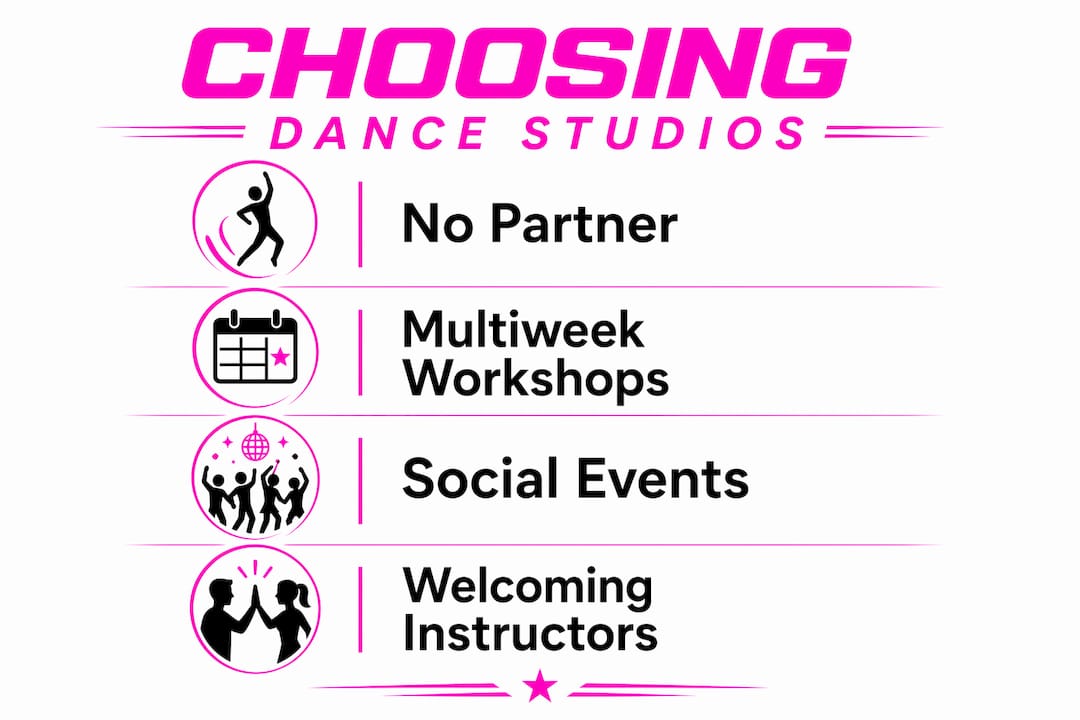
Look for these four things when evaluating a Chicago studio:
1. A “no partner needed” policy. This signals the studio is designed for singles and social mixing, not just couples who already know each other.
2. Beginner workshops structured over multiple weeks. Most beginner workshops in 2026 run 4 to 6 weeks, cost between $94 and $140, and last 60 to 90 minutes per session. That multi-week format is critical. It gives you enough time with the same group of people to move from “hi, I’m new here” to actual friendship.
3. Social events beyond class time. Friday night socials, mixers, and themed dance nights are where dance studio friendships deepen. Class teaches you the moves. Social events are where you use them with people you’re starting to know.
4. A welcoming instructor culture. Owners and instructors who personally engage with first-day attendees reduce intimidation and help new students feel seen from day one. That personal touch sets the tone for the entire community.
Here’s a quick comparison of what to look for versus what to avoid:
| Feature | Social-focused studio | Performance-focused studio |
|---|---|---|
| Partner policy | No partner needed | Partner often required |
| Class structure | Rotation-based | Fixed pairs |
| Community events | Regular socials and mixers | Showcases and competitions |
| Beginner culture | Effort celebrated | Technique prioritized |
| Friendship potential | High | Lower for newcomers |
Dennis pasamba checks every box in that left column. With 850+ five-star Google reviews and over 33 years of experience, it’s built a reputation as Chicago’s most welcoming Latin dance community for adults.
Step-by-step: how to make friends during class and beyond
Knowing the environment is right is one thing. Knowing how to work it is another. Here’s a practical approach that actually builds friendships, not just acquaintances.
-
Arrive 10 to 15 minutes early. The pre-class window is the most underused social opportunity in any dance studio. People are relaxed, not yet focused on learning, and open to small talk. Introduce yourself to whoever is nearby. Ask if they’ve taken this class before.
-
Use names from the start. When you rotate to a new partner, say your name and repeat theirs back. “Nice to meet you, Marcus.” It sounds simple, but names are the first building block of any friendship.
-
Lean into the rotation. Partner rotation exposes you to multiple people each session, increasing your social comfort with each new partner. Don’t stay with the same person out of comfort. The rotation is the point.
-
Laugh at the mistakes. When you step on someone’s foot or lose the beat, smile and own it. Shared laughter is one of the fastest ways to break the ice. It signals that you’re there for fun, not perfection.
-
Show up to the Friday social or mixer. Class teaches you the steps. The Friday night social is where you actually use them in a relaxed, party-like setting. This is where acquaintances become friends.
-
Suggest coffee or a group outing after class. If you’ve connected with two or three people, say it out loud: “A few of us should grab food after next week’s class.” Most people want to say yes. They just need someone to ask.
Pro Tip: Don’t wait until you’re “good enough” to attend a social event. Go on your second or third week, while you’re still a beginner. Everyone at that stage is in the same boat, and that shared experience makes the connection feel more real.
How to handle social anxiety and awkwardness at a dance studio
Nervousness on your first night is completely normal. Most people walking into a new dance class feel some version of it. The good news is that Latin dance classes are specifically designed to dissolve that feeling fast.
Here’s why the anxiety fades quickly:
- Everyone is a beginner at some point. The class is structured so that no one is expected to know what they’re doing on day one. That expectation removes the pressure immediately.
- The rhythm of friendship emerges from shared learning. When you and a partner are both figuring out the same step, you’re already bonding. You don’t need to be witty or interesting. You just need to be present.
- Instructors set the tone. At studios like Dennis pasamba, instructors personally welcome new attendees and make introductions. That one act of acknowledgment changes how you feel about the room.
- Effort is celebrated, not just results. When instructors focus on celebrating progress, the competitive pressure disappears. You stop worrying about being judged and start enjoying the process.
“Friendships form through shared dance experiences where partners support each other through successes and mistakes, building bonds beyond words.”
The physical and emotional openness required in partner dancing does something that sitting at a bar or attending a networking event cannot. It puts two people in a moment of genuine, shared effort. That’s where real connection starts. If you’ve been avoiding social situations because they feel forced or awkward, a Latin dance class in Chicago may be the most natural social setting you’ve tried in years.
Key takeaways
Making friends at a dance studio works because the class structure, partner rotation, and community culture are all designed to create repeated, genuine human contact.
| Point | Details |
|---|---|
| Partner rotation is the key mechanism | Rotating partners each session exposes you to the entire room, not just one person. |
| Multi-week workshops build real bonds | A 4 to 6 week beginner workshop gives you enough time with the same group to form friendships. |
| Social events deepen connections | Friday socials and mixers are where class acquaintances become actual friends. |
| Vulnerability accelerates friendship | Shared mistakes and laughter in dance create bonds faster than most social activities. |
| Instructor culture sets the tone | Studios where instructors personally welcome newcomers produce stronger, more welcoming communities. |
What 33 years of watching friendships form has taught me
I’ve been teaching Latin dance in Chicago for over three decades. I’ve watched hundreds of people walk in alone on a Tuesday night and leave with a group of friends they still call years later. The pattern is always the same.
The people who make the deepest connections aren’t the ones who dance the best. They’re the ones who show up consistently, stay after class to talk, and say yes to the social events. Consistency is the real engine of friendship, not talent.
What surprises most newcomers is how quickly the social walls come down in a dance class. You can’t stay guarded when you’re trying to learn a Cumbia step with a stranger. The shared effort does the work for you. I’ve seen people who described themselves as introverted become the social center of a class by week three, simply because they kept showing up and stayed open.
The other thing I’d tell you is this: don’t wait until you feel ready. There’s no ready. The first class is always the hardest. The second one is easier. By the third, you’ll have people you’re genuinely happy to see. That’s how dance studio friendships work. They don’t require you to be charming or experienced. They just require you to show up.
— Dennis pasamba
Ready to meet your people on the dance floor?
Dennis pasamba is Chicago’s top-rated Latin dance studio with over 850 five-star reviews and 33 years of building community through Salsa, Bachata, and Cumbia. Classes are designed for adults aged 21 to 45. No partner needed, no experience required. Just show up ready to move and meet people.
Whether you’re single or coming as a couple, the beginner class format and Friday night socials are built exactly for making new friends. Check out the new Salsa, Bachata, and Cumbia classes starting now in Chicago, or join the Thursday Cumbia and Bachata class where partner rotation and a welcoming crowd make every night a great one. Spots fill fast, so register early and come ready to dance.
FAQ
Why is a dance studio a good place to make friends?
Dance studios use partner rotation and shared learning to create repeated, genuine contact between strangers. Emotional and physical vulnerability in partner dancing accelerates connection faster than most social activities.
Do I need a partner to join a Latin dance class?
No. Social Latin dance classes are specifically designed with a no-partner-needed policy, using rotation systems so singles meet multiple people every session.
How long does it take to make friends in a dance class?
Most people form recognizable connections within two to three weeks of consistent attendance. Routine weekly attendance is the single most reliable factor in friendship development at dance studios.
What Latin dance styles are best for socializing?
Salsa, Bachata, and Cumbia are the most social-friendly styles for beginners. All three use partner rotation, are beginner accessible, and are offered at Dennis pasamba in Chicago. You can compare styles with this Latin dance style comparison to find the right fit.
What should I do if I feel nervous on my first night?
Arrive early, introduce yourself to one person before class starts, and focus on having fun rather than dancing perfectly. Instructors who celebrate effort over outcomes create a low-pressure environment where nervousness fades quickly.