
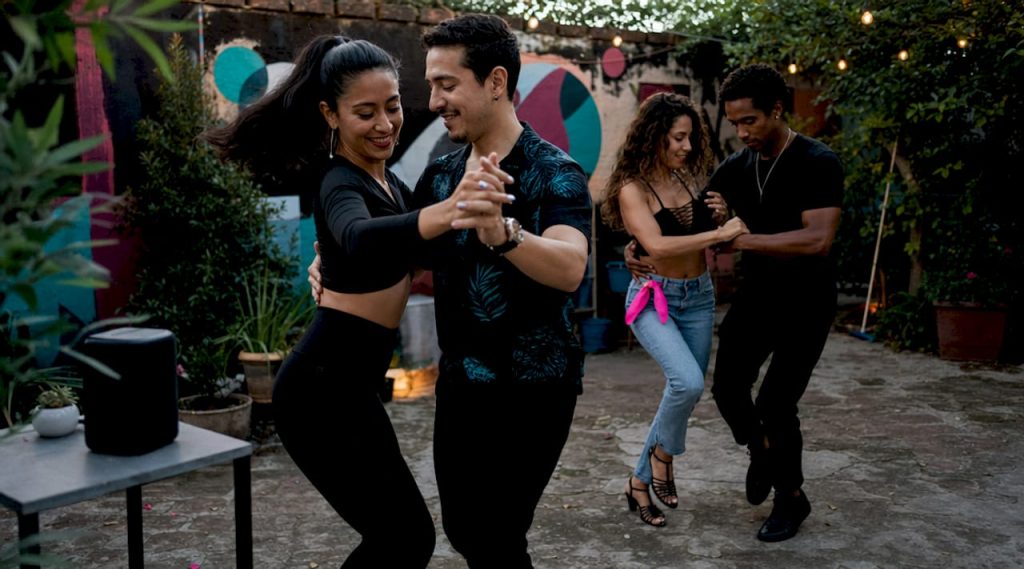
Latin dance workouts are cardio and aerobic exercise programs built around dance styles like Salsa, Bachata, Zumba, and Jive, and this latin dance workout comparison proves they are not all equal in intensity, calorie burn, or fitness payoff. Research shows Jive reaches ~103% VO2max while Rumba sits closer to 88%, meaning the style you choose directly determines how hard your heart works. Salsa burns roughly 300 calories per hour, while Zumba can push past 600. Whether you want weight loss, core strength, flexibility, or a social scene, the right Latin dance style makes all the difference.
1. How intensity varies across Latin dance styles
Not all Latin dances deliver the same cardiovascular challenge. Research on elite dancers confirms that Jive and Cha Cha produce higher VO2max than Rumba, with Jive reaching approximately 103 to 105 percent of maximal oxygen uptake compared to Rumba’s 88 to 89 percent. That gap is significant. It means two people attending “Latin dance class” can have completely different cardiovascular experiences depending on which style dominates the session.
Heart rate zones explain why this matters for your fitness goals. A 45-minute line dance session averaged 72.8% HRmax in middle-aged women, with most time spent in Zones 3 and 4. Zone distribution predicted caloric expenditure with an R² of 0.74, meaning the more time you spend in higher zones, the more calories you burn. Fast Salsa and Jive push you into Zone 4 and 5 territory. Bachata and Rumba tend to keep you in Zone 2 and 3.
The practical takeaway is this: if your goal is cardiovascular fitness or fat loss, choose high-tempo styles or classes that keep you moving continuously. If you want moderate exercise with a social focus, slower styles like Bachata work well. Intensity is a controllable variable shaped by choreography complexity, class structure, and instructor cues, not just the dance name on the schedule.
| Dance Style | Approx. %VO2max | Heart Rate Zone | Best For |
|---|---|---|---|
| Jive | ~103–105% | Zone 4–5 | Max cardio, calorie burn |
| Cha Cha | ~95–100% | Zone 4 | Cardio and coordination |
| Salsa (fast) | ~85–95% | Zone 3–4 | Cardio and flexibility |
| Bachata | ~70–80% | Zone 2–3 | Social dancing, recovery |
| Rumba | ~88–89% | Zone 3 | Moderate aerobic base |
Pro Tip: Ask your instructor before class which heart rate zone the session targets. If they cannot answer, that tells you the class is not designed with fitness programming in mind.
2. Zumba vs. cardio dance: which format fits you?
Zumba and cardio dance are the two most common structured formats for Latin dance fitness, and they serve different types of exercisers. Zumba uses repeatable choreography built on Latin rhythms, which builds confidence through familiarity. You learn the same sequences over multiple sessions, which lowers the mental load and lets beginners focus on moving rather than memorizing.
Cardio dance takes the opposite approach. Playlists and choreography change every session, pulling from Latin, hip-hop, pop, and other genres. This variety keeps things mentally stimulating and prevents the plateau effect that can come from repeating the same routine. People who get bored easily tend to stick with cardio dance longer.
Here is how the two formats compare across the factors that matter most to you:
- Routine structure: Zumba repeats sequences; cardio dance changes every class
- Music variety: Zumba stays Latin-focused; cardio dance mixes genres freely
- Beginner friendliness: Zumba wins here due to predictable patterns
- Mental engagement: Cardio dance wins for variety seekers
- Intensity control: Both depend heavily on the instructor’s programming choices
- Social atmosphere: Zumba tends to feel more like a party; cardio dance can feel more like a group workout
- Calorie burn potential: Both can reach 400 to 600 calories per hour with the right instructor
The honest answer is that neither format is objectively better. Your adherence to the workout over weeks and months matters far more than which format burns slightly more calories in a single session. Pick the one you will actually show up for.
3. Flexibility and core strength benefits of Latin dance
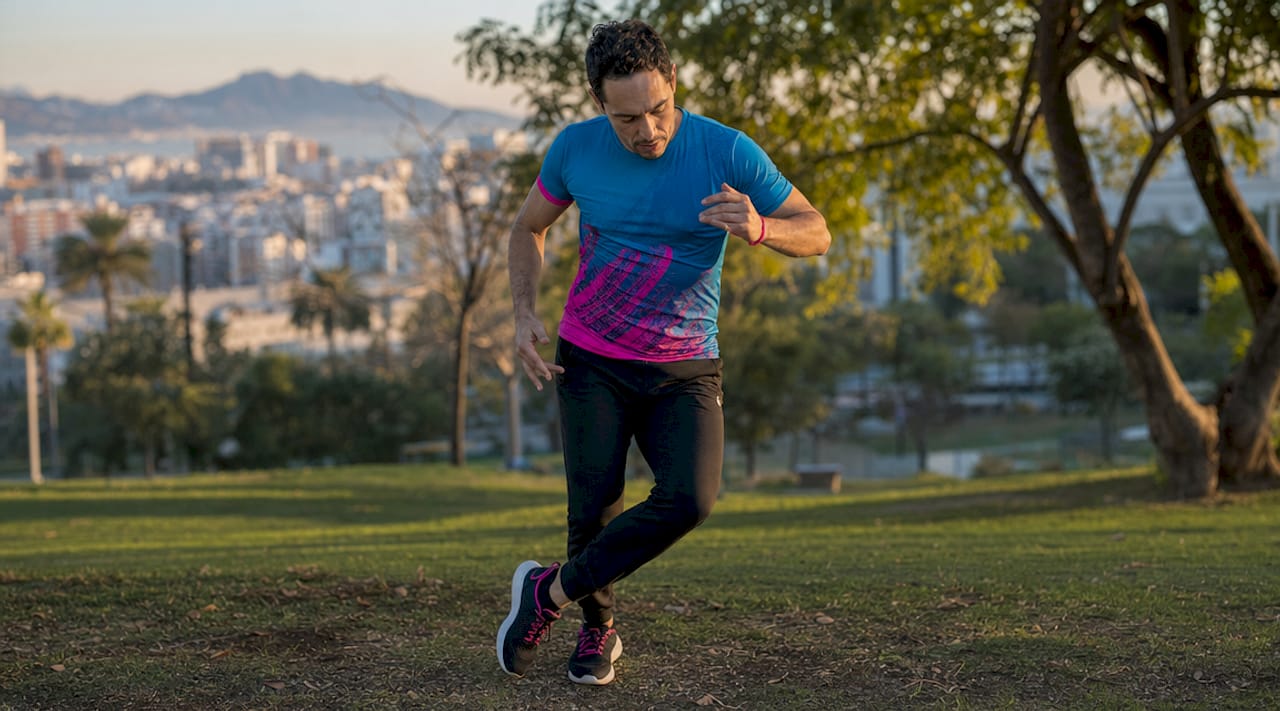
Latin dance cardio workout benefits extend well beyond the cardiovascular system. Salsa improves lower body flexibility through hip rotations and footwork patterns that require a wide range of motion in the hips, knees, and ankles. Zumba adds dynamic stretching through lunges, squats, and arm swings that engage multiple muscle groups simultaneously. These are not passive stretches. They are loaded movements that build both flexibility and functional strength at the same time.
Core strength is a direct byproduct of Latin dance’s balance demands. Every time you shift weight between feet, execute a turn, or hold a partner frame, your core stabilizers fire to keep you upright. Bachata’s side-to-side hip motion specifically targets the obliques and hip flexors. Salsa’s quick directional changes recruit the transverse abdominis, the deep core muscle most gym routines miss entirely.
Pro Tip: To maximize core strength latin dancing benefits, focus on keeping your ribcage stacked over your hips during footwork. Letting your torso collapse sideways is the most common form error, and fixing it turns every step into a core exercise.
Here is a breakdown of the primary fitness benefits by style:
- Salsa: Hip flexibility, lower body strength, cardiovascular endurance
- Bachata: Oblique engagement, hip mobility, moderate cardio
- Zumba: Full-body flexibility, aerobic capacity, up to 600 calories per hour
- Jive/Cha Cha: Maximum cardio output, leg power, coordination
- Cumbia: Rhythmic footwork, hip stability, low-impact cardio
These latin dance fitness benefits explained through muscle engagement show why dance outperforms many gym routines for adults who want functional fitness. You build strength, flexibility, and cardiovascular health in a single session.
4. Calorie burn: what the numbers actually mean
Calorie burn is the most searched metric in any latin dance fitness calories burned discussion, and the range is wide. Zumba burns up to 600 calories per hour, while Salsa typically burns around 300 calories per hour. That 2x difference comes down to aerobic interval structure and continuous movement time, not the music itself.
A 246 kcal energy cost in 45 minutes of line dancing confirms that even moderate-tempo dance classes deliver meaningful caloric expenditure. For context, that is comparable to a brisk 45-minute walk at a pace most people find challenging. The difference is that most people find dance significantly more enjoyable, which drives better long-term adherence.
Body weight, fitness level, and effort intensity all influence your personal calorie burn. A 180-pound person doing fast Salsa will burn more than a 130-pound person doing slow Bachata. The numbers above are averages. Use them as directional guides, not precise targets.
5. Which Latin dance workout matches your fitness goal?
Choosing the right style comes down to matching the dance’s physiological demands to what you actually want from your workouts. Here is a direct comparison to help you decide:
| Goal | Best Style | Why |
|---|---|---|
| Maximum calorie burn | Zumba or fast Salsa | Highest aerobic intervals and continuous movement |
| Weight loss over time | Jive or Cha Cha classes | Sustained Zone 4 effort drives fat adaptation |
| Social connection | Bachata or Cumbia | Partner-friendly, moderate pace, great for conversation |
| Beginner fitness | Zumba | Structured choreography reduces intimidation |
| Core and flexibility | Salsa | Hip rotation and footwork target flexibility and stability |
| Variety and novelty | Cardio dance | New routines every session prevent mental fatigue |
For consistent results, cardiovascular dance programs 3x weekly for 12 weeks improve VO2max and well-being. That is the minimum effective dose backed by research. One class per week will feel good but will not produce measurable fitness gains. Three one-hour sessions per week, combining a warm-up, continuous aerobic dance phase, and cool-down, is the evidence-based standard.
If you are new to Latin dance, avoid common beginner mistakes like skipping warm-ups or choosing a style that is too advanced for your current coordination level. Starting with Zumba or beginner Salsa and progressing to Bachata or Cumbia over 8 to 12 weeks is a proven path. For those ready to push further, intermediate and advanced classes in Salsa, Bachata, and Cumbia offer the intensity needed to keep fitness gains coming.
6. Social dancing as a fitness multiplier
The social dimension of Latin dance is not a bonus feature. It is a primary driver of workout consistency, which is the single biggest predictor of fitness results. People who attend Latin dance classes in a group setting report higher motivation and longer session durations than solo gym workouts. You stay on the floor longer when you are having fun with other people.
Bachata and Cumbia are particularly strong for social fitness because they are partner-friendly and accessible without prior experience. No partner is required at most studios, which removes the biggest barrier for singles. The community aspect also creates accountability. When your dance partner expects to see you Thursday night, you show up.
Friday social nights and weekly group classes at studios like Dennis PaSamba in Chicago combine the fitness benefits of structured dance with the motivational power of community. That combination is what turns a 12-week program into a long-term lifestyle.
Key takeaways
Latin dance workouts produce the best fitness results when you match the style’s intensity profile to your specific goal, then commit to at least three sessions per week for 12 weeks.
| Point | Details |
|---|---|
| Intensity varies by style | Jive and Cha Cha reach Zone 4 to 5; Bachata stays in Zone 2 to 3. |
| Calorie burn depends on structure | Zumba burns up to 600 cal/hr; Salsa averages around 300 cal/hr. |
| Core strength is built through balance | Hip shifts, turns, and footwork activate deep stabilizers every session. |
| Three sessions per week is the minimum | Research confirms 3x weekly for 12 weeks produces measurable VO2max gains. |
| Social setting drives adherence | Group classes and partner dancing increase consistency more than solo workouts. |
What 33 years of teaching Latin dance has taught me about picking the right workout
After more than three decades coaching dancers in Chicago, I have seen one pattern repeat itself constantly. People pick a dance style based on what looks cool on video, not what fits their personality or fitness level. They watch a Salsa performance, sign up for an advanced class, feel lost after two sessions, and quit. That is not a failure of motivation. That is a mismatch between expectation and reality.
My honest recommendation is to start with the style that makes you want to move, not the one that looks most impressive. If Bachata’s slow, connected rhythm makes you feel something, start there. If Zumba’s high-energy group format gets you excited to sweat, that is your entry point. The fitness benefits across all Latin styles are real and well-documented. What separates people who transform their bodies through dance from those who give up after a month is enjoyment, plain and simple.
I also tell every student to try at least three different styles before deciding what to commit to. Salsa, Bachata, and Cumbia each develop different physical skills. Rotating between them builds a more complete dancer and a more complete athlete. The latin dance experience is not one-size-fits-all, and the best workout is the one you keep coming back to.
— Dennis pasamba
Start your Latin dance fitness journey in Chicago
Dennis PaSamba is Chicago’s top-rated Latin dance studio with 850+ five-star Google reviews and 33+ years of expert coaching. Whether you are brand new or ready to push your fitness further, there is a class built for you.
Start with our Latin dance warm-up exercises to prepare your body safely before your first session. Join beginner or advanced Salsa, Bachata, and Cumbia classes in Chicago, or drop into a Thursday Bachata and Cumbia social night with no partner needed. Private one-on-one lessons are also available for faster results. No experience required. Singles and couples are both welcome. Visit dennispasamba.com to book your first class today.
FAQ
How many calories does Latin dancing burn per hour?
Zumba burns up to 600 calories per hour, while Salsa averages around 300 calories per hour. Actual burn depends on your body weight, effort level, and how much continuous movement the class includes.
Which Latin dance style is best for beginners?
Zumba is the most beginner-friendly Latin dance workout because it uses repeatable choreography that builds confidence quickly. Bachata is also a strong starting point for those who prefer partner dancing at a moderate pace.
How often should I do Latin dance workouts to see results?
Three sessions per week for 12 weeks is the evidence-based minimum to improve cardiorespiratory fitness. Each session should include a warm-up, at least 30 to 45 minutes of continuous dancing, and a cool-down.
Does Latin dancing build core strength?
Yes. Latin dance core strength benefits come from the balance demands of footwork, hip shifts, and turns, all of which activate deep stabilizing muscles including the obliques and transverse abdominis. Salsa and Bachata are particularly effective for core engagement.
Is Zumba or Salsa better for flexibility?
Salsa targets lower body flexibility through hip rotations and footwork, while Zumba improves full-body flexibility through dynamic moves like lunges and arm swings. Both are effective. Combining them produces the broadest flexibility gains.