
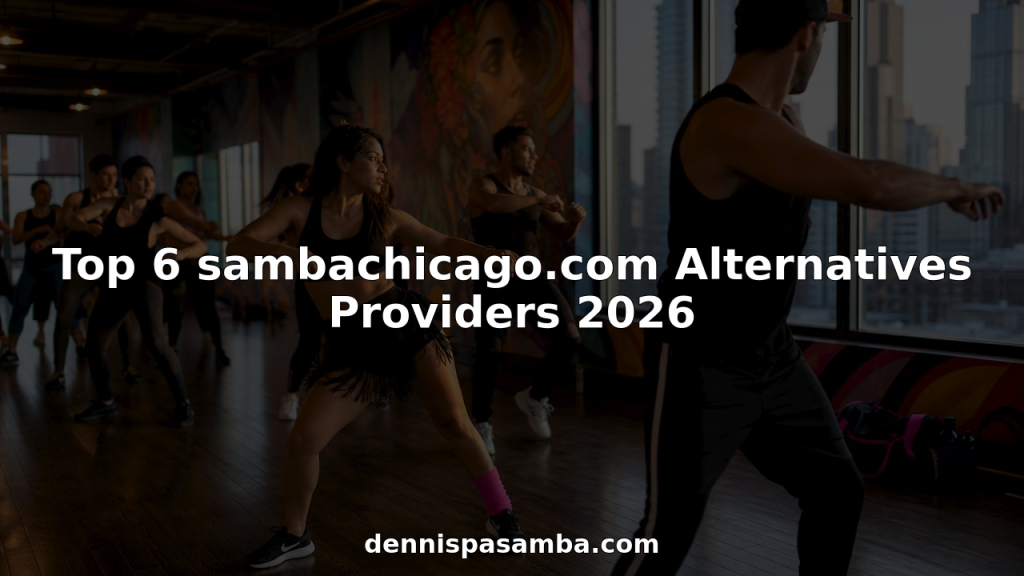
Finding a Latin dance studio in Chicago that offers structured classes, social practice opportunities, and flexible scheduling can feel impossible for newcomers and regulars alike. Most studios either hide pricing and class dates behind inquiry forms or restrict program options to rigid course blocks, leaving dancers guessing about fit and accessibility. This comparison covers teaching approach, schedule flexibility, social events, and pricing transparency so you can choose a Latin dance studio that matches your practice rhythms and event needs without wasting weeks on unanswered emails.
Table of Contents
- Dennis PaSamba Dance Company
- Urbanity Dance Chicago
- Dance Academy of Salsa
- May I Have This Dance
- Duet Dance Studio
- Mayambo
- Comparative Analysis of Chicago Latin Dance Studios
Dennis PaSamba Dance Company
At a Glance
The studio advertises more than 30 years of teaching and performance experience at its Six Corners location, a claim the vendor makes about its longevity. Dennis PaSamba runs group classes, private 1-on-1 lessons, studio rentals and regular social nights focused on Latin and ballroom styles.
Core Features
- Group dance classes for beginners through advanced across Salsa, Bachata, Cumbia, Tango and Kizomba.
- Private lessons tailored to goals like wedding choreography, performance prep, or skill building.
- Studio rental space for rehearsals, photoshoots, and small events with on-site coaching options.
- Regular Friday socials, date nights, workshops, and performance showcases to practice in a social setting.
- Options to hire instructors or performers, plus private group classes for birthdays, bachelorettes, and corporate team building.
Key Differentiator
The offering pairs long tenure with a community-first approach. The experience claim above anchors a program mix that blends technical classes with frequent social events, so learning is reinforced by live practice and peer feedback rather than only drills.
Pros
- Long track record and local recognition. The studio’s decades of activity make it a reliable place for steady progress and repeat events.
- Wide stylistic range. You can move from Salsa basics to wedding choreography without switching studios, which saves time when you want consistency.
- Flexible formats. Drop-in group nights, private 1-on-1 coaching, and workshops let busy adults pick the rhythm that fits their schedule.
- Social-first calendar. Friday socials and themed nights give singles and couples a low-pressure place to practice with live music and varied partners.
- Professional space for hire. The rental option works for rehearsal runs, photoshoots, and small performances without hunting for external venues.
Cons
- Primarily serves Chicago residents and visitors; the studio’s in-person model requires advance booking and may not suit those outside the city.
Who It’s For
You if you live or spend time in Chicago and want structured Latin or ballroom training plus social practice. Ideal for couples preparing a first-dance, singles who want an active social scene, and event organizers seeking a compact rental studio with coaching available.
Unique Value Proposition
No partner needed for classes or socials. That policy lowers the barrier to entry for singles and newcomers and makes it practical to join a regular class schedule without lining up a dance partner first.
Real World Use Case
A couple signs up for beginner group classes, adds two private sessions for choreography, then rents the studio for an hour each week to rehearse. They use Friday socials to test timing with other dancers before their wedding first dance.
Pricing
Pricing is not listed publicly. Contact the studio for current class packages, private lesson rates, rental hour fees and workshop pricing.
Website: https://dennispasamba.com
Urbanity Dance Chicago
At a Glance
Woman-owned Lincoln Park studio that pairs Afro-Latin partner dances with urban solo styles while promoting a constantly evolving curriculum and flexible schedules. The studio advertises a judgment-free, inclusive environment meant to support personal style and community-building.
Core Features
Urbanity runs a mix of scheduled group offerings and one-on-one coaching tied to events and rentals. Classes span partner and solo formats so students can practice social dancing and performance skills under the same roof.
- Group classes across Salsa, Bachata, Kizomba, Zouk, Hip Hop, Heels, and Cumbia.
- Private lessons for personalized technique, choreography, or wedding prep.
- Special events and corporate programs plus studio rental for rehearsals or private parties.
- An evolving curriculum and a diverse staff that emphasize self-expression and community.
Key Differentiator
Urbanity’s explicit focus on personal expression and community within a woman-owned structure sets the tone. That framing makes it a better fit for dancers who want creative coaching and a supportive small-studio vibe rather than high-volume performance pipelines.
Pros
- Emphasis on inclusivity creates a low-pressure learning environment where beginners can show up without a partner and feel welcome.
- Wide mix of Afro-Latin partner dances and urban solo styles lets you cross-train technique and musicality without hopping studios.
- Flexible program structure means single drop-ins, class packs, and recurring passes work with busy schedules.
- Staff described as experienced and passionate, which helps when you want focused feedback during private lessons or faster progress in socials.
- Strong focus on personal style and self-expression supports students preparing for weddings, showcases, or social dance nights.
Cons
- No independently verifiable user reviews are available, so external confirmation of class experience or instructor quality is limited.
- The site and materials do not list typical class sizes or instructor-to-student ratios, which makes judging how much hands-on correction you’ll get difficult.
- There is no mention of live online or hybrid class options, so remote learners or frequent travelers have fewer ways to stay engaged.
Who It’s For
If you value a supportive, community-first studio and want both partner and urban solo training, Urbanity is a strong local option. It suits dancers who prioritize personal expression, mixed-style learning, and a smaller woman-owned environment over large-scale competitive programs.
Real World Use Case
A Chicago beginner signs up for a 1-month beginner pass, takes weekly Salsa group classes and two private sessions, then attends a social to practice lead and follow skills. Over three months they refine personal styling and meet a regular practice group for weekend drills.
Website: https://urbanitydancechicago.com
Dance Academy of Salsa
At a Glance
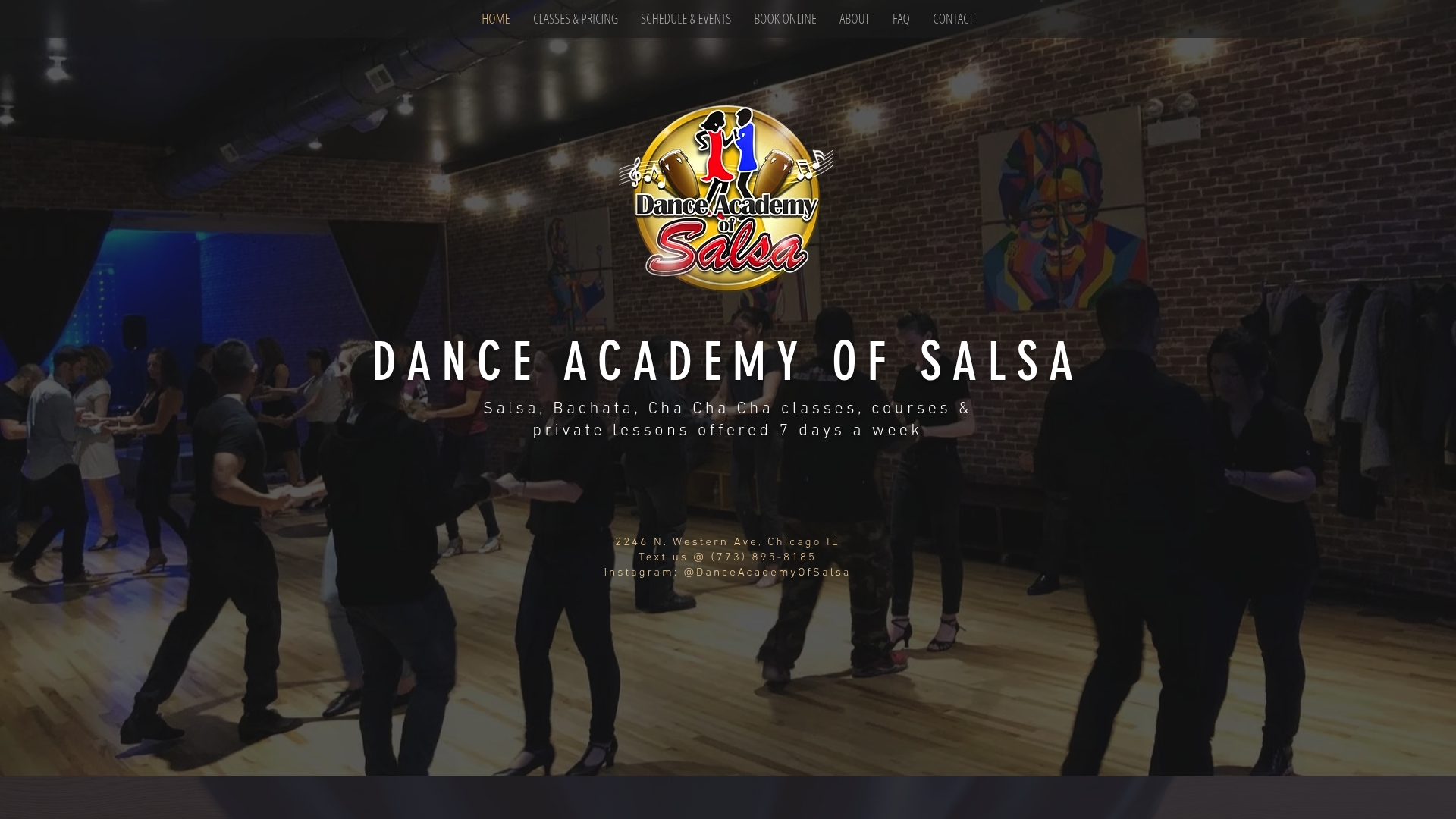
Open seven days a week, Dance Academy of Salsa runs evening social nights, drop-ins, and structured courses centered on On 2 salsa technique for Chicago dancers of all levels. The schedule flexibility is the studio’s clearest, most specific claim.
Core Features
- 4-week structured courses with weekly progression and level evaluations for consistent skill building.
- Drop-in classes offered daily to accommodate shifting work and social schedules.
- Private lessons for one-on-one correction, choreography, or wedding prep tailored to individual goals.
- Regular Latin social nights and special-event bookings for birthdays, bachelorettes, and corporate team building.
The format blends regimented course blocks with community-focused social events so members can train and practice in the same local scene.
Key Differentiator
Available every day of the week, this studio prizes schedule density and social programming over a single flagship instructor model. Compared with Dennis pasamba, Dance Academy of Salsa is narrower in scale and leans into steady weekly courses and accessible nightly socials rather than an extensive roster of specialty workshops and performance teams.
Pros
- The daily schedule and mix of drop-ins plus structured courses give you true calendar flexibility if your work week varies.
- The 4-week structured courses make progress measurable; weekly evaluations help you move into higher-level classes without guessing where you stand.
- Private lessons let you focus on specific needs such as musicality, partnering technique, or a first-dance routine for a wedding.
- Event hosting and Latin nights mean members transition from class to community quickly, which shortens the social learning curve.
- Offering classes seven days a week reduces scheduling friction for people balancing evening work shifts or weekend commitments.
Cons
- No third-party reviews are currently available to verify instructor quality or student experience beyond the studio’s own descriptions.
- Some course fees are nonrefundable or nontransferable, which limits flexibility if your plans change mid-session.
- The requirement to pass an evaluation for higher-level classes may feel gatekeeping to confident self-taught dancers.
Who It’s For
You if you live in Chicago and want steady, frequent Latin dance options that fit irregular schedules. The setup suits dancers who prefer structured 4-week progressions but still want nights to practice socially and meet partners.
Real World Use Case
A Chicago resident works evening shifts but wants to learn On 2 salsa. They drop into weekend socials, take a 4-week course to lock down fundamentals, then book private lessons for partner work before a friend’s wedding.
Website: https://danceacademyofsalsa.com
May I Have This Dance
At a Glance
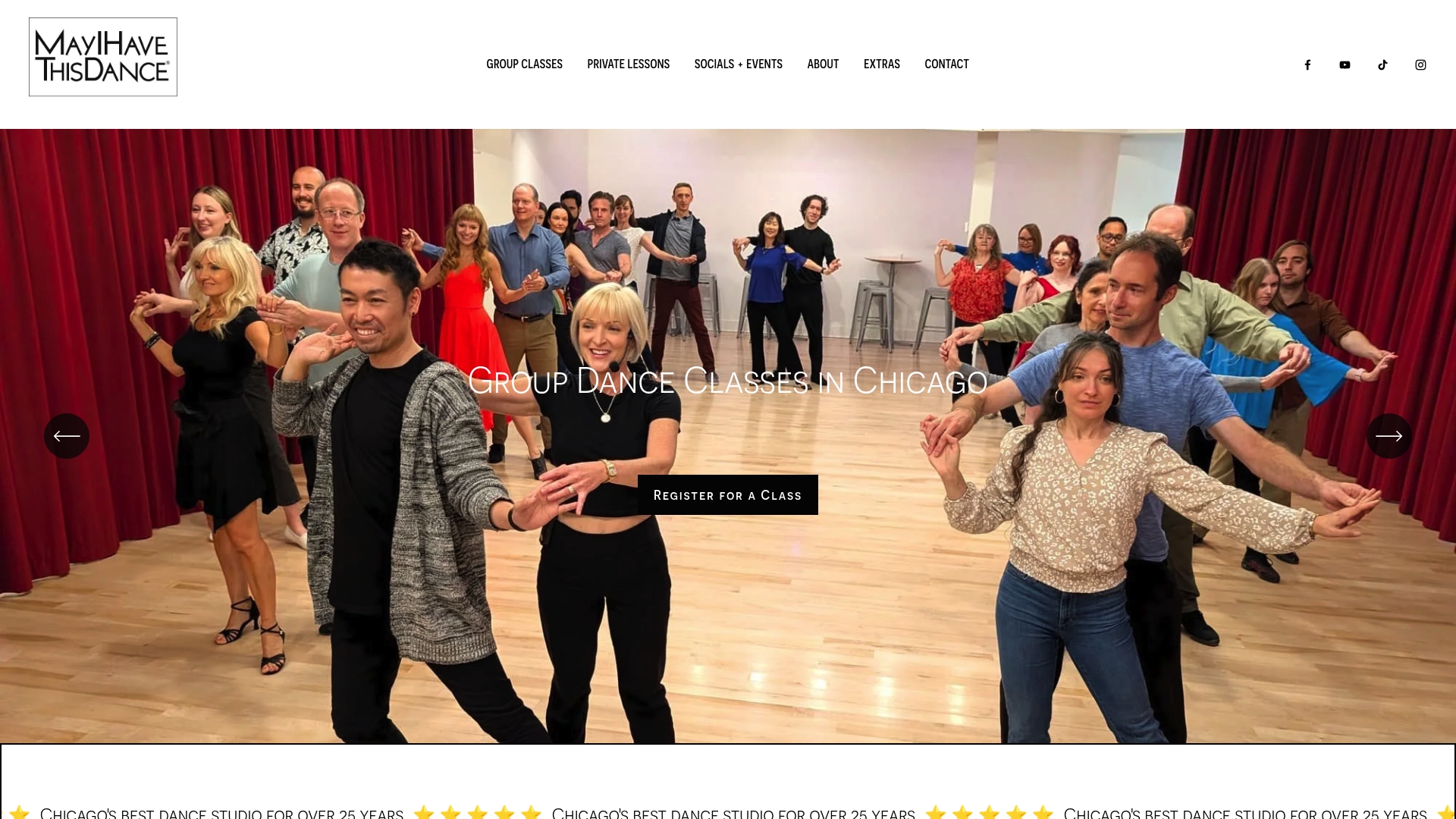
The studio’s marketing materials state over 25 years of experience and an active calendar of socials, workshops, and vacation trips that emphasize social practice. If you want steady practice opportunities alongside classes, this mix of education and community is the most concrete selling point.
Core Features
- Wide style offering: West Coast Swing, Salsa, Tango, Ballroom, Lindy Hop, Bachata, Country Two-Step, and more taught across levels.
- Private lessons: One-on-one coaching for rapid skill development and competition prep.
- Online video tutorials: Supplementary material for at-home practice plus regular social dance events and themed parties.
Key Differentiator
That tenure and community focus shape how the studio programs classes and socials. Rather than a handful of isolated workshops, the emphasis is on sequential series and frequent social nights that encourage partner rotation and long-term relationships among dancers.
Pros
- Engaging instructors who adapt to different learning speeds, which helps newcomers stay comfortable while advancing technique.
- A welcoming social environment that encourages partner rotation, making it easier for singles to meet people and log floor time.
- Well-structured progressive series, particularly for West Coast Swing, which makes steady improvement measurable across sessions.
- Active event calendar with themed parties and occasional vacations that give consistent, low-pressure performance opportunities.
- Multiple registration options and generally affordable series pricing, so cost is rarely a barrier to regular attendance.
Cons
- Third-party review coverage is limited, so independent feedback can be sparse compared with larger studios that have broad review footprints.
- Class offerings and schedules change by term, which means your preferred style or level might not appear every month.
- Students with very tight or irregular schedules may find class frequency and times restrictive without relying on private lessons.
When It May Not Fit
If you need a rigid, nightly schedule or a guaranteed series in a niche style every term, this studio’s rotating calendar may frustrate you. Competitive teams requiring daily coached rehearsals should expect to supplement with private sessions or another facility that offers fixed rehearsal blocks.
Who It’s For
Chicago dancers who want a friendly social scene plus reliable progressive classes. Ideal for adults learning social dance for nights out, people prepping for low-pressure performances, and singles who prefer regular partner-rotation socials rather than partner-dependent lessons.
Real World Use Case
A Chicago resident signs up for a West Coast Swing month series, adds two private lessons for polish, and attends the Friday social twice a month. Within three months they feel comfortable asking partners for turns and have learned patterns usable on social floors.
Pricing
Series prices typically run between $60 and $70 per monthly class series, with discounts for multiple series or workshops. Full month passes are advertised at $299, private lessons start around $90, and special events use separate pricing.
Website: https://mayihavethisdance.com
Duet Dance Studio
At a Glance
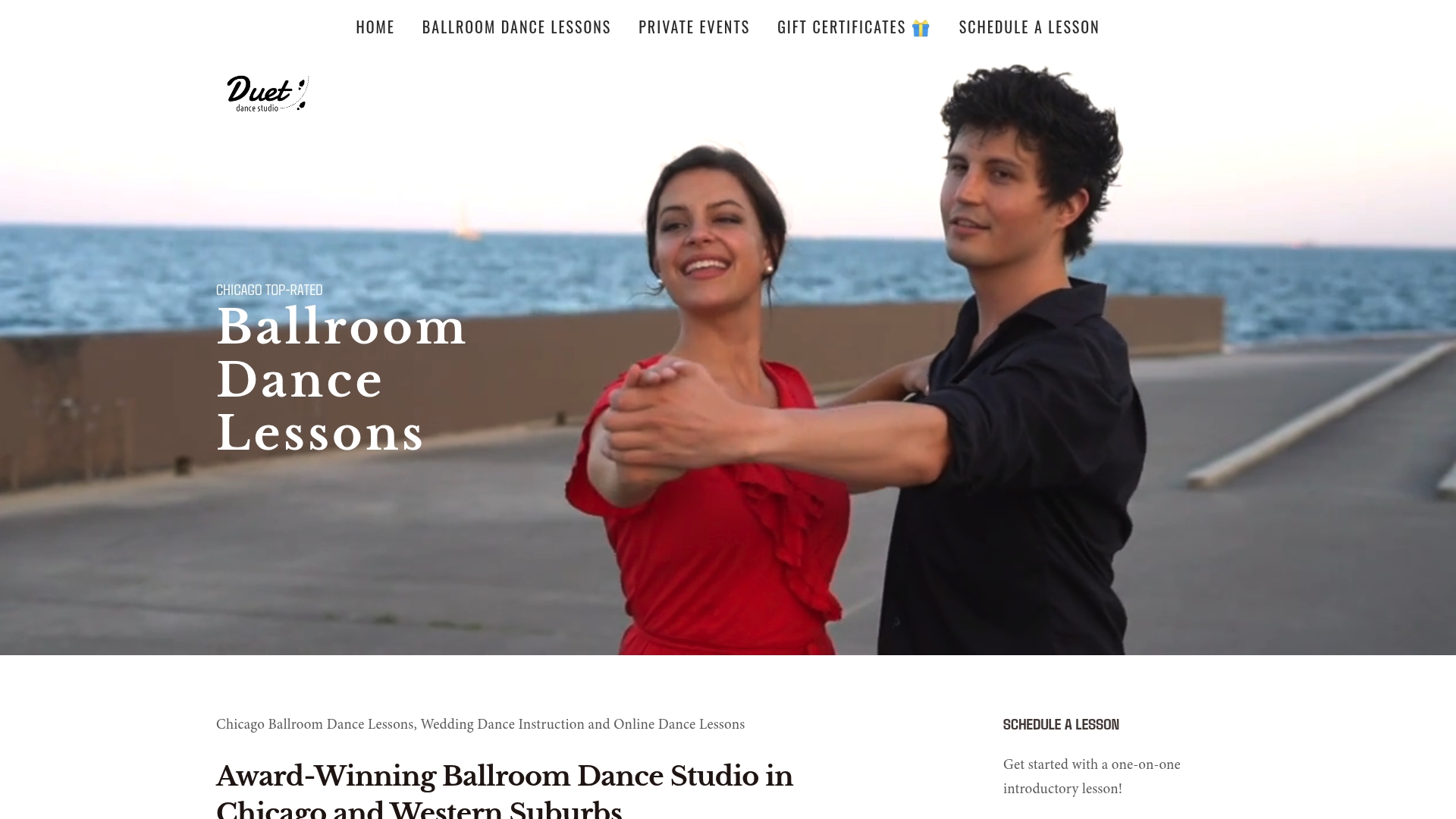
The studio advertises inclusion in The Knot Best of Weddings’ Hall of Fame, a concrete credential that signals a strong wedding focus. Duet runs multiple locations in Chicago and Brookfield and emphasizes personalized instruction across ballroom and Latin styles for singles and couples.
Core Features
- Private lessons tailored to skill level and goals, including wedding choreography.
- Group classes for social practice in Salsa, Tango, Waltz, and more.
- Online lessons and video programs for remote learners.
- Private dance parties and event hosting for birthdays, bachelorette parties, and celebrations.
Key Differentiator
That award recognition above highlights Duet’s emphasis on wedding choreography and celebration events. The studio leans heavily into personalized, inclusive instruction across multiple locations, which makes it a logical pick when one-on-one attention and a polished first-dance matter more than strictly low cost.
Pros
- Experienced and friendly instructors: Staff are described as supportive, which helps nervous beginners find confidence fast.
- Tailored lessons accommodate both new students and seasoned dancers, so you progress at your own pace without being boxed into a single curriculum.
- Flexible scheduling: In-studio and virtual lesson options reduce friction for busy adults juggling work and family.
- Group classes create a social atmosphere that helps solo attendees meet partners for practica and dances.
- Private dance parties: The studio handles event hosting so couples can rehearse and then celebrate in the same space.
Cons
- No specific third-party reviews are listed in the product data to independently verify the studio’s reported strengths.
- Pricing is not published and requires direct contact, which complicates quick budget comparisons.
- Limited detail on class sizes and instructor-to-student ratios in the available information, making level placement and attention per student unclear.
When It May Not Fit
If you need transparent, online price lists before contacting a provider, Duet’s need-for-contact model will slow your decision. If you require small guaranteed class sizes or a clear instructor-to-student ratio, the lack of published details makes this a risky choice. The studio’s online offering appears to be video programs rather than a full hybrid class schedule.
Who It’s For
Adults and couples in the Chicago area seeking ballroom and Latin instruction, especially those preparing a wedding dance or wanting private lessons. If you value face-to-face coaching, occasional virtual support, and social events, Duet fits. Budget-seekers wanting immediate price comparisons should look elsewhere first.
Real World Use Case
A couple books a package of private lessons to choreograph their first dance, alternates in-studio practice with video review sessions, and then rents the space for a private post-rehearsal dance party. That workflow mirrors the studio’s service mix and event capabilities.
Pricing
Pricing is not specified on the public material. The studio asks prospective students and event hosts to contact them for lesson rates, wedding packages, and party bookings. Expect to request a quote to compare options.
Website: https://duetdancestudio.com
Mayambo
At a Glance
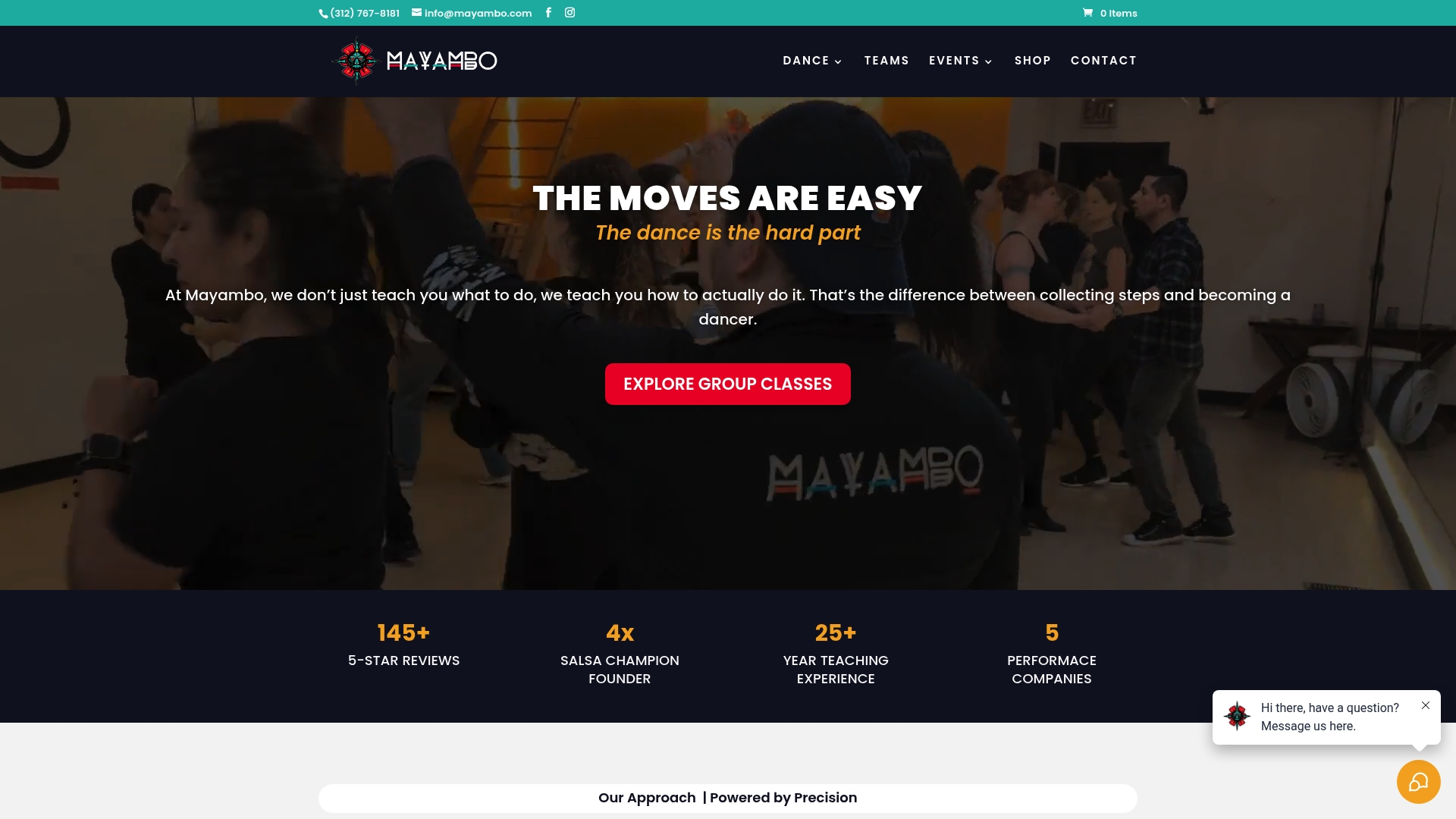
The Mayambo Method™ trains dancers on the mechanics and physics of salsa so students learn improvisation and connection instead of collecting steps. The studio’s marketing materials state more than 25 years of teaching experience and multiple performance companies supporting its curriculum.
Core Features
- Structured curriculum built around the Mayambo Method™ with step-by-step progressions for posture, weight transfer, and body isolation.
- Classes that treat timing as a physical and relational skill rather than a counting exercise.
- Emphasis on genuine lead and follow mechanics to improve partner connection on the dance floor.
- Options for group classes, private lessons, memberships, and beginner intensives aimed at rapid fluency.
Key Differentiator
Mayambo centers technique first. The instruction breaks salsa on2 into measurable mechanics so learners improve musicality through body physics and relational timing. That approach shifts practice time from memorizing patterns to developing dependable movement habits for social dancing and performance.
Pros
- Holistic technical teaching that goes beyond footwork; students work on posture, alignment, and transfer of weight for cleaner movement.
- The experience claim above supports a deep instructor bench and multiple performance companies, which benefits students seeking stage experience.
- Clear emphasis on lead and follow mechanics helps couples and singles build real floor connection quickly.
- Support for beginners through advanced dancers with structured intensives and private lessons for targeted correction.
- Community and performance opportunities create motivation to apply technique in real settings rather than practicing alone.
Cons
- No third-party reviews or aggregated student feedback are included in the supplied content, so independent satisfaction signals are missing.
- Class pricing, exact schedule, and current availability are not detailed in the provided materials, making planning a phone call away.
- The materials do not mention online or virtual class options, which limits access for out-of-city learners or those needing remote alternatives.
When It May Not Fit
If you want casual step-focused classes that prioritize learning a dozen social patterns quickly, Mayambo’s methodical technique-first pace may feel slow. Likewise, dancers needing clear public pricing or a live-streamed curriculum will find limited information in the presented content.
Who It’s For
Chicago residents who want a serious, technical foundation in salsa on2. Ideal for students who plan to dance socially or perform and who value precise mechanics, musicality training, and instructor-led correction over quick pattern memorization.
Real World Use Case
A beginner signs up for a weekend beginner intensive, learns timing as a physical skill, then books a private to refine lead and follow mechanics. Within months they move from counting beats to feeling musical changes and joining Friday socials with confidence.
Website: https://mayambo.com
Comparative Analysis of Chicago Latin Dance Studios
Choosing the right Latin dance studio in Chicago requires balancing teaching methodologies, scheduling flexibility, social platforms, and affordability. A closer look highlights that each studio offers unique strengths tailored to specific preferences and goals.
Where Teaching Style Aligns with Goals
Dennis PaSamba Dance Company emphasizes skill advancement through practice-oriented learning and diverse class formats, ideal for practical, community-focused learners. Meanwhile, Mayambo’s detailed technical instruction excels for students seeking a thorough mastery of Salsa On2 mechanics, focusing on body physics and lead-follow dynamics. For those wanting a balance between structured technique and self-expression, Urbanity Dance Chicago combines Afro-Latin and urban styles within an inclusive framework, fostering creativity alongside progress.
Scheduling Flexibility Across Studios
Dance Academy of Salsa stands out with consistent daily offerings, perfect for individuals with variable schedules needing frequent engagement. In contrast, “May I Have This Dance” pairs progressive class series with themed social events, supporting learners who thrive on consistency but enjoy fun dance floor opportunities. Duet Dance Studio’s flexible private lesson scheduling and multi-location format cater to those prioritizing personalized instruction or dealing with busy lifestyles.
Best Fits Across Consumer Needs
- Dennis PaSamba Dance Company: For those residing in Chicago aiming to achieve a mix of Latin and ballroom proficiency with built-in social practice opportunities.
- Mayambo: An excellent choice for dancers prioritizing technical mastery in Salsa On2 mechanics and improvisational lead-follow fundamentals.
- Dance Academy of Salsa: Highly suitable for people desiring a consistent and highly flexible learning schedule with frequent social dance opportunities.
- Urbanity Dance Chicago: Fitting for students eager to mix traditional partner dances with urban solo styles in an inclusive, small-studio environment.
Why Dennis PaSamba Dance Company Stands Out
Dennis PaSamba Dance Company combines years of experience with a diverse offering of events, workshops, and classes, allowing learners to develop skills comprehensively while engaging with a social dance community. Although its in-person model limits accessibility to non-Chicago residents, when proximity permits, the studio provides a platform for structured development and lively activities. For remote learners, pursuing alternatives with virtual options may be more practical.
Latin Dance Studios in Chicago Compared
Choosing a dance studio often depends on the range of styles offered, teaching approach, and flexibility of schedules. Here’s a comparison of top options available in Chicago:
| Dance Studio | Core Offerings | Key Differentiator | Best For | Pricing | Limitation |
|---|---|---|---|---|---|
| Dennis PaSamba Dance Company | Group & private lessons, studio rental, socials | Community-first approach with longevity | Versatile Latin and Ballroom dancers | Not disclosed | Primarily serves in-person Chicago community |
| Urbanity Dance Chicago | Group and private Afro-Latin and urban styles | Emphasis on inclusivity and personal style | Creative beginners and innovators | Not disclosed | Limited external reviews of class or instructor tips |
| Dance Academy of Salsa | Structured courses, socials, and private lessons | Flexible scheduling, daily classes | On2 Salsa enthusiasts and social learners | Not disclosed | Limited refund options |
| May I Have This Dance | Progressive classes & unique social offerings | Focus on West Coast Swing and social themes | Social interaction-focused learners | Monthly classes $60–$70 | Scheduling changes limit consistency |
Discover a Top Sambachicago.com Alternative for Chicago Latin Dance Enthusiasts
If you are searching for sambachicago.com alternatives, Dennis PaSamba offers a powerful blend of expert coaching and social dance opportunities in Chicago. With over 33 years of experience, this 5-star rated studio meets key challenges like finding skilled instructors, flexible class formats, and vibrant social practice events all in one place. Enjoy learning popular styles such as Salsa, Bachata, Kizomba, and more without needing a partner.
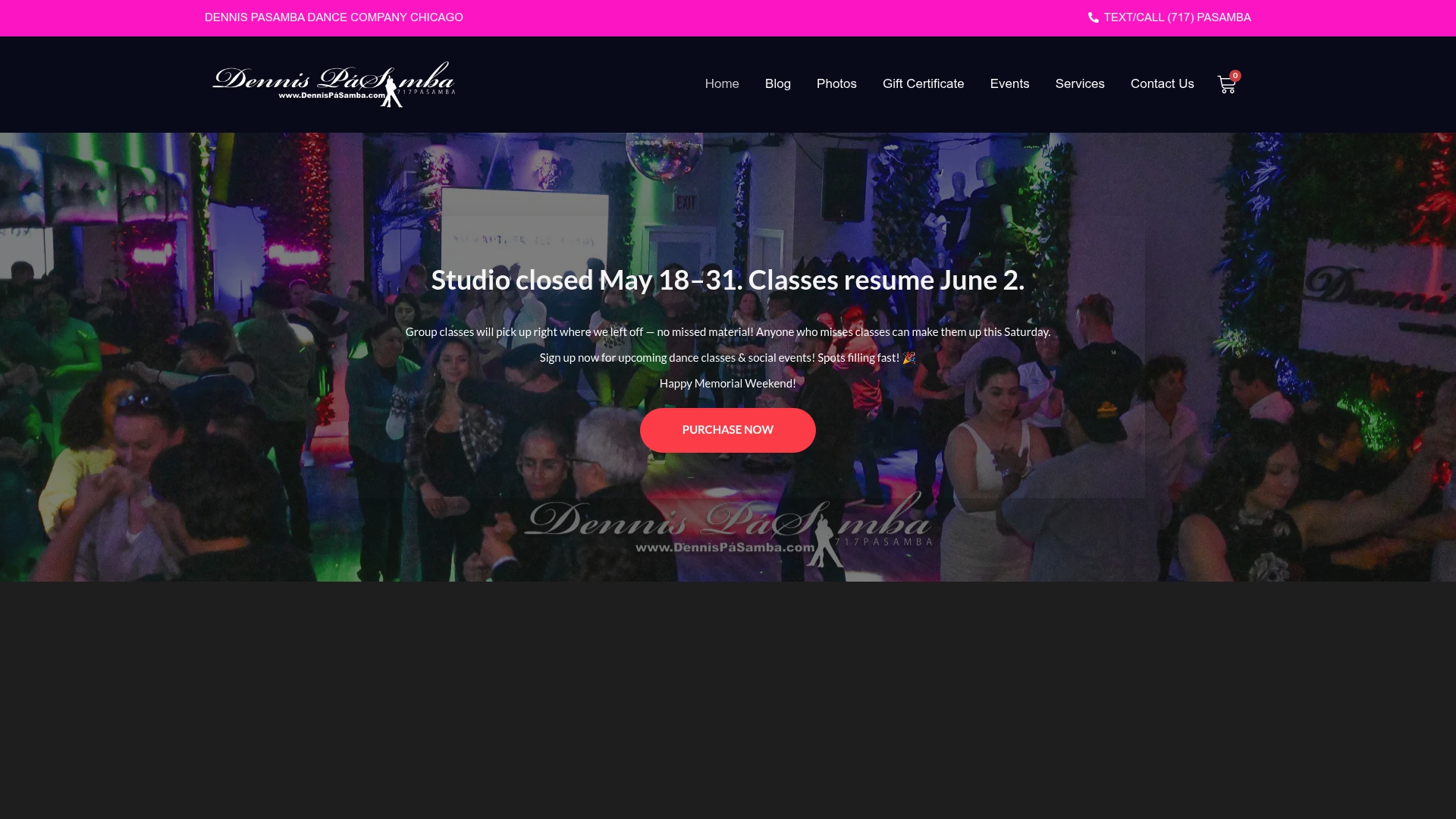
Join the community where beginners and advanced dancers build confidence through group classes, private lessons, and lively Friday socials. Don’t let scheduling conflicts or partner needs hold you back. Visit Dennis PaSamba now to check class options and book your first session for personalized wedding prep, performance training, or simply great social dance fun.
Frequently Asked Questions
What types of classes does Dennis PaSamba offer for beginners?
Dennis PaSamba provides group classes for beginners through advanced levels across various Latin and ballroom styles. The studio advertises classes in Salsa, Bachata, Cumbia, Tango, and Kizomba, making it a versatile choice for new dancers.
How does Urbanity Dance Chicago differ from Dennis PaSamba in terms of dance styles?
Urbanity Dance Chicago specializes in a mix of Afro-Latin partner dances and urban solo styles, which broadens the offerings compared to Dennis PaSamba’s focus primarily on Salsa and other Latin dances. This makes Urbanity a better fit for dancers looking to explore a wider range of dance styles.
Can I get private lessons at Dennis PaSamba for wedding choreography?
Yes, Dennis PaSamba offers private lessons tailored for specific goals, including wedding choreography and performance preparation. This personalized approach ensures that couples can receive focused coaching to develop their first dance.
What is unique about the community aspect of Dennis PaSamba?
Dennis PaSamba emphasizes a community-first approach by frequently hosting social events like Friday socials that allow dancers to practice and connect with peers. This environment supports learning through live practice and social interaction.
Are there structured programs available for advanced dancers at Dennis PaSamba?
Dennis PaSamba supports structured learning through its various class formats, ensuring that dancers can progress to advanced levels without switching studios. This allows consistent training within the same supportive community.