
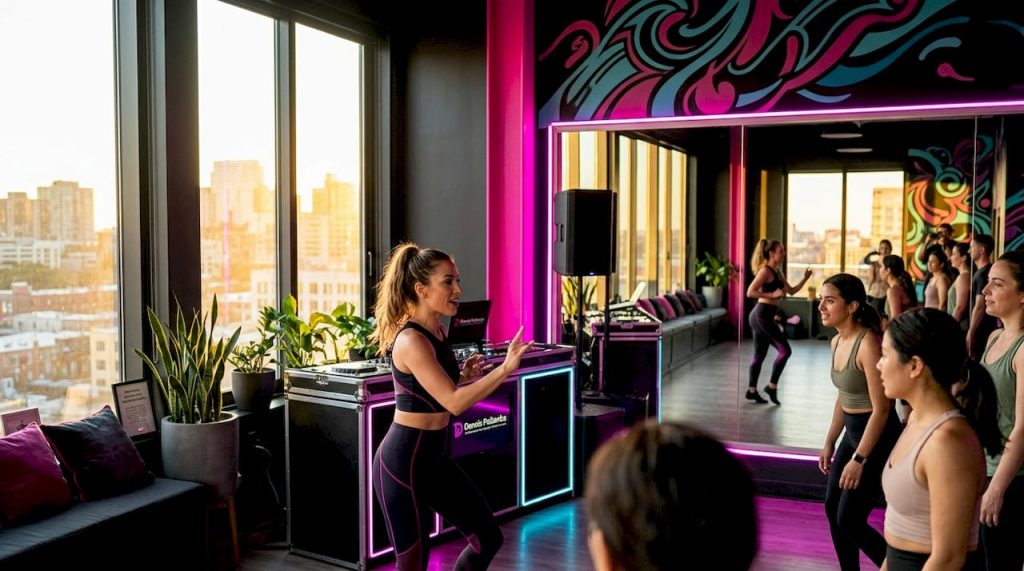
A dance instructor is defined as a trained educator who teaches technique, builds confidence, coordinates choreography, ensures physical safety, and mentors students through every stage of their development. The Royal Academy of Dance confirms that instructors shape more than movement. They influence long-term learner identity and motivation in ways that determine whether a student stays in dance for years or quits after a few months. Whether you are learning Salsa at a Chicago studio or studying ballet at a conservatory, the quality of your instructor determines how fast you grow, how safe you stay, and how much you enjoy the process. This guide breaks down every dimension of what great dance instructors actually do.
What is the role of instructor in dance?
The role of instructor in dance covers six core functions: technical instruction, warm-up leadership, choreography direction, group management, safety oversight, and administrative documentation. These are not separate jobs. A skilled instructor runs all of them simultaneously inside a single class session.
According to position standards published by the Town of Hayden, dance instructors are expected to teach technique, lead warm-ups, choreograph recitals, and manage groups of up to 12 students at once. That number matters because managing 12 bodies in motion requires constant visual scanning, real-time correction, and the ability to adjust pace without losing the group’s momentum.
Beyond the studio floor, instructors carry operational responsibilities that most learners never see. Full-time teaching artists are expected to maintain detailed session documentation, including attendance records, session logs, and lesson prep notes. This behind-the-scenes work is what keeps instruction consistent across weeks and months, especially in programs with rotating students or multiple instructors.
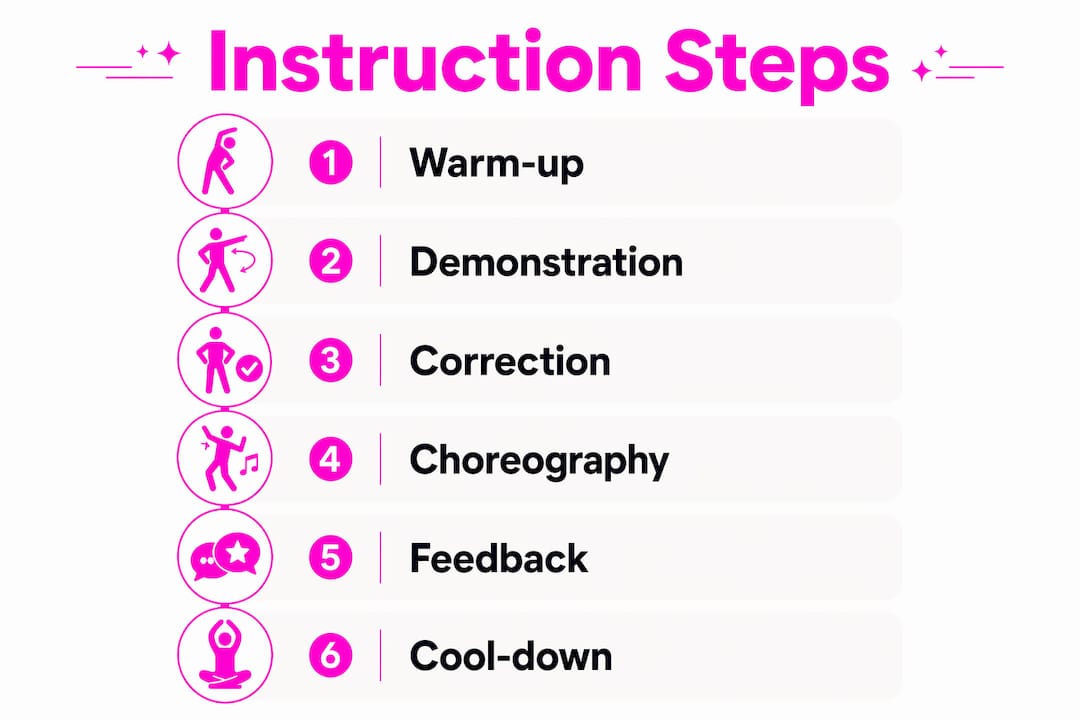
The daily class structure itself follows a proven loop. Strong dance instruction follows a progression loop each class: warm-up, isolate technique goals, deliver corrections, structure repetition, and build toward a performance target. This is not arbitrary. Each phase prepares the body and mind for the next, reducing injury risk while accelerating skill retention.
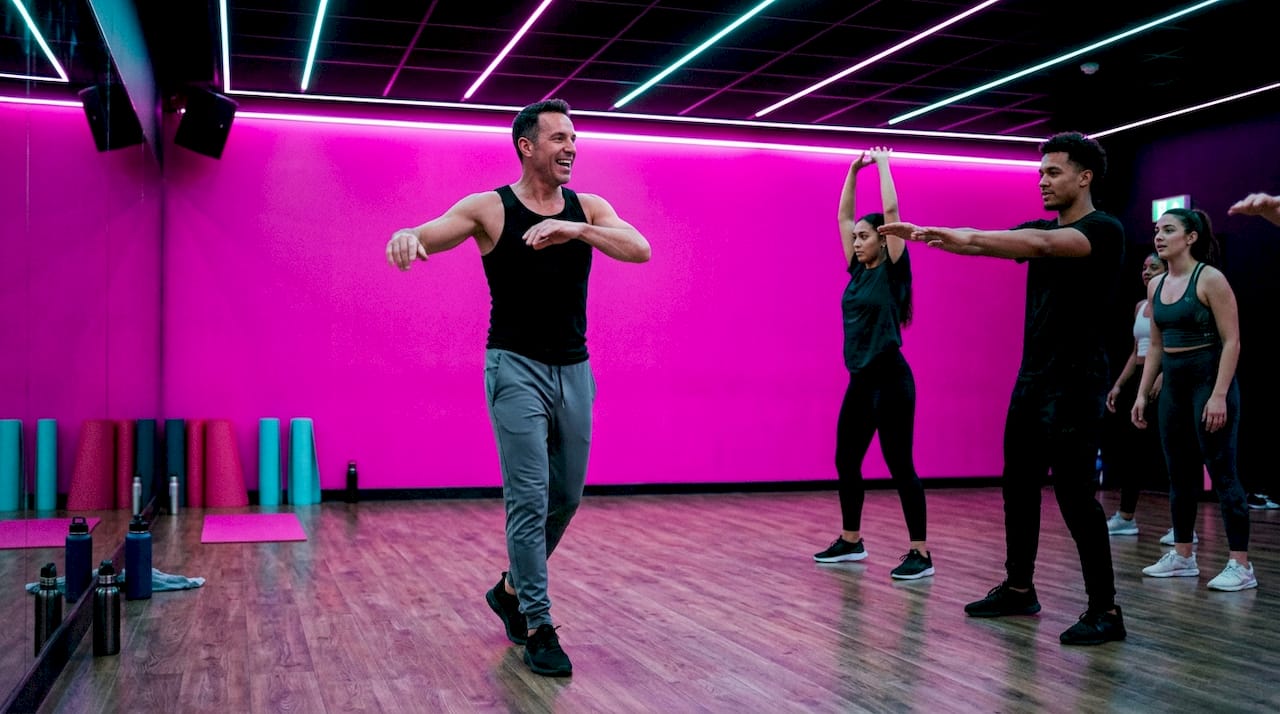
Pro Tip: When evaluating a dance class, watch the first ten minutes. If the instructor skips a structured warm-up or jumps straight into choreography, that is a red flag for both safety and teaching quality.
Here is a quick breakdown of what a typical instructor manages in one class session:
- Lead a dynamic warm-up targeting the muscle groups used in that day’s style
- Demonstrate the target technique with clear visual and verbal cues
- Break students into skill-appropriate groups or progressions
- Deliver age-appropriate, prioritized corrections without overwhelming learners
- Run repetition drills that build muscle memory toward a performance goal
- Close with a cool-down and brief review of what was covered
How do dance instructors build confidence and emotional growth?
The importance of dance instructors goes far beyond counting beats and correcting footwork. Southern New Hampshire Dance Theater emphasizes that great teachers build confidence and resilience through safe, progressive training adapted to each student’s age and learning style. That is a fundamentally different job description than “show people how to move.”
Confidence in dance is built through repetition in a psychologically safe environment. When an instructor creates space where mistakes are expected and corrections are delivered with warmth, students take more risks. They try harder combinations, perform in front of others, and push past the self-consciousness that stops most adults from ever stepping onto a dance floor.
“The best instructors I have ever trained under did not just teach me steps. They taught me how to trust my own body and keep going when I felt lost.” This is the experience that separates a good class from a transformative one.
Effective instructors also adapt to developmental stages. A 7-year-old learning tap needs different emotional scaffolding than a 35-year-old learning Bachata for the first time. The adult learner carries more self-judgment and social anxiety. The child needs structure and play in equal measure. Skilled instructors read these differences and adjust their tone, pacing, and feedback style accordingly.
The socio-emotional dimension of dance teaching is now recognized as a formal competency. Research on dance teacher competencies reframes instructors as facilitators of cultural and emotional experience, not just technique coaches. This means the functions of a dance coach now include creating positive classroom dynamics, encouraging artistic expression, and helping students build a durable relationship with movement that outlasts any single class.
Key qualities that support emotional growth in students include:
- Consistent encouragement delivered alongside honest correction, not instead of it
- Patience with regression, since skill development is not linear and students often plateau or backslide before breaking through
- Cultural awareness, particularly in Latin and African diaspora dance forms where the music, history, and community context are inseparable from the movement
- Mentorship beyond the studio, which means instructors who remember a student’s goals, check in on their progress, and celebrate milestones
What teaching methods distinguish effective dance instructors?
Effective dance instruction is multimodal. It combines physical demonstration, verbal explanation, visual aids, and increasingly, video technology to deliver feedback that sticks. Research on multimodal teaching behaviors in college dance education found that high-frequency combinations of these methods boost knowledge transfer, cultural understanding, and teacher-student interaction simultaneously.
The shift from traditional demonstration-only teaching to technology-integrated instruction is significant. Traditional methods rely on the instructor’s body as the primary teaching tool. The student watches, imitates, and receives verbal correction. Technology-integrated methods add video playback, so students can see their own movement from the outside. This closes the gap between what a student thinks they are doing and what they are actually doing. That gap is often enormous, especially for beginners.
| Teaching Method | Primary Strength | Best Used For |
|---|---|---|
| Live demonstration | Immediate visual modeling | New technique introduction |
| Verbal cueing | Precision correction | Fixing specific errors |
| Video playback | Self-awareness development | Intermediate to advanced learners |
| Partner feedback | Social learning and connection | Social dance styles like Salsa and Bachata |
| Mirroring exercises | Spatial awareness | Beginners and children |
Feedback quality is another defining competency. Research on corrective feedback and cognitive load shows that effective instructors prioritize key correction points and limit simultaneous feedback. Telling a student to fix their posture, their footwork, their arm position, and their timing all at once guarantees that nothing gets fixed. The best instructors pick one thing, drill it, then move to the next.
Pro Tip: If your instructor gives you more than two corrections at once, ask them to prioritize. “Which one should I focus on first?” is a question every good teacher will respect and answer clearly.
Dance education roles are also expanding to include cultural literacy. In styles like Cumbia, Kizomba, and Mambo, understanding the cultural origin of the movement is part of learning it correctly. Instructors who teach these forms without cultural context are delivering an incomplete education. The best teachers weave history, music theory, and community context into their lessons as naturally as they demonstrate footwork.
Why is safety a non-negotiable function of a dance instructor?
Safety is a core instructor responsibility, not an optional add-on. Dance studios carry real injury risk, and the instructor is the first line of defense. The 2026 legal compliance guide for dance studios confirms that instructors share direct responsibility for emergency preparedness and must hold current certifications in AED operation, CPR, and first aid.
These are not bureaucratic requirements. Dance involves high-impact movement, physical contact in partner styles, and students working at the edge of their physical capacity. Sprains, falls, and overuse injuries are common. An instructor who cannot respond to a medical emergency is a liability to every student in the room.
Practical safety responsibilities include:
- Structured warm-ups before every class to prepare joints and muscles. Skipping this step is the single most common cause of preventable dance injuries. You can see what a proper Latin dance warm-up looks like in practice.
- Monitoring student fatigue and pain signals, since students often push through discomfort to avoid looking weak in front of peers
- Adapting choreography for students with physical limitations or injuries
- Maintaining a clear Emergency Action Plan posted in the studio and rehearsed with staff
- Regulatory compliance, including studio licensing, liability insurance, and mandated reporter training where applicable
Safety also extends to the emotional environment. Instructors who use shame, public humiliation, or excessive pressure create psychological harm that is just as real as a sprained ankle. A safe class is one where students feel physically protected and emotionally respected.
Key takeaways
The role of instructor in dance is defined by six simultaneous functions: technical teaching, emotional mentorship, multimodal instruction, safety management, cultural facilitation, and operational administration.
| Point | Details |
|---|---|
| Instructors do six jobs at once | Teaching, mentoring, safety, choreography, administration, and cultural facilitation happen in every class. |
| Confidence is a taught skill | Progressive, psychologically safe training builds student resilience and long-term engagement. |
| Feedback must be prioritized | Effective instructors limit corrections to one or two points per session to avoid cognitive overload. |
| Safety requires formal training | AED, CPR, and first aid certification are non-negotiable instructor qualifications. |
| Technology improves outcomes | Video playback and multimodal cues close the gap between what students think they do and what they actually do. |
What 33 years of teaching taught me about the instructor’s real job
Most people think a dance instructor’s job is to teach steps. After 33 years of teaching Salsa, Bachata, Cumbia, and a dozen other styles at Dennis pasamba in Chicago, I can tell you the steps are the easy part.
The real job is reading the room. Every class has a student who is terrified to be there, one who is overconfident and sloppy, one who is a natural but does not know it yet, and one who is about to quit if they do not feel a win in the next ten minutes. A great instructor sees all four of them simultaneously and adjusts the class so each one leaves feeling capable.
Technology has changed how I teach. Video feedback has become one of my most powerful tools. Students who see themselves on video for the first time are often shocked. The gap between their internal experience and their actual movement is humbling and motivating at the same time. I use it carefully, always framing the playback as information rather than criticism.
What I tell every new student: evaluate your instructor on mentorship, not just technique. Can they explain why a movement works, not just how? Do they remember your goals from last week? Do you feel safer and more confident after class than before? Those answers matter more than how many styles they can demonstrate. The social confidence you build in a great class follows you everywhere, not just onto the dance floor.
— Dennis pasamba
Ready to experience great instruction firsthand?
If you want to see what skilled, attentive instruction actually feels like, Dennis pasamba is Chicago’s top-rated Latin dance studio with over 850 five-star reviews and 33 years of teaching experience. Classes in Salsa, Bachata, and Cumbia are available at every level, from complete beginners to advanced dancers looking to sharpen their technique.
Whether you want private one-on-one lessons, group classes, or a fun date night on the floor, Dennis pasamba has a format that fits. No partner needed. Singles and couples are both welcome. Explore Salsa, Bachata, and Cumbia classes taught by instructors who take technique, safety, and your confidence seriously. Great vibes, real results, and a community that keeps you coming back.
FAQ
What does a dance instructor do in a typical class?
A dance instructor leads warm-ups, demonstrates technique, delivers corrections, manages group pacing, and closes with a cool-down. The Town of Hayden’s instructor standards confirm that instructors also handle administrative tasks like attendance and session documentation outside of class time.
Why are dance instructors important beyond teaching steps?
Dance instructors shape learner identity, confidence, and long-term motivation. The Royal Academy of Dance notes that instructor impact on learners extends to long-term choices about whether students continue dancing at all.
What qualifications should a dance instructor have?
A qualified dance instructor holds current CPR, AED, and first aid certifications alongside formal training in their dance style. The 2026 dance studio compliance guide identifies emergency preparedness training as a non-negotiable requirement for anyone teaching in a studio setting.
How do effective instructors give feedback without overwhelming students?
Effective instructors limit corrections to one or two priority points per session. Research on feedback and cognitive load shows that delivering too many corrections simultaneously prevents students from retaining any of them.
What teaching methods work best in dance education?
Multimodal instruction combining live demonstration, verbal cueing, and video playback produces the strongest learning outcomes. Research on college dance education methods found that technology-integrated, student-centered teaching significantly improves knowledge transfer and cultural understanding compared to demonstration-only approaches.