
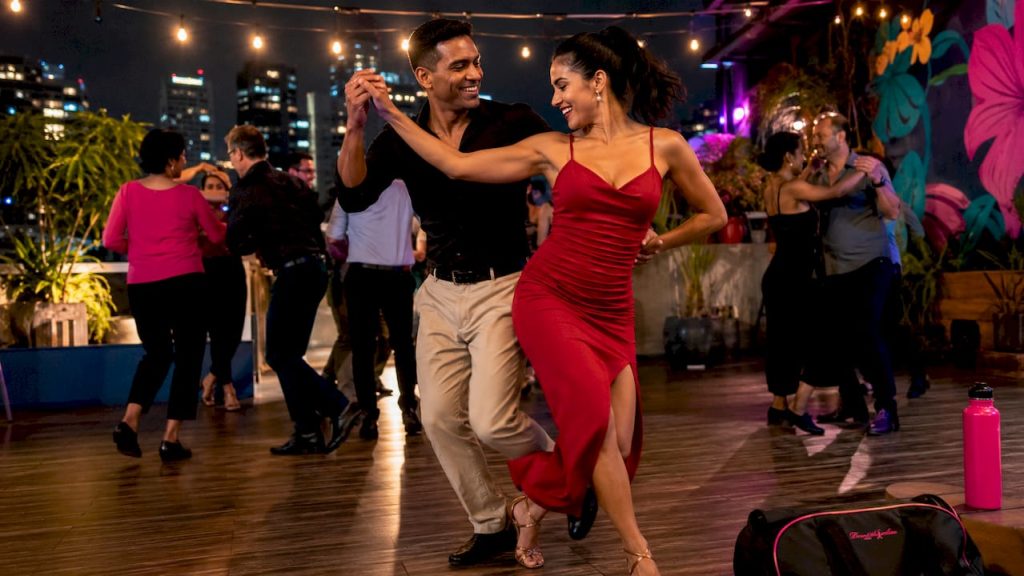
Dancing builds discipline by combining structured physical practice with cognitive engagement, creating a system that trains focus, perseverance, and self-regulation simultaneously. This is not a soft claim. Structured dance training improves mood in 98% of participants, reinforcing discipline through emotional reward. That emotional reward is what keeps you coming back, and consistency is the foundation of every discipline skill worth having. Dance also stimulates dopamine, serotonin, and norepinephrine, the three neurotransmitters most responsible for motivation and sustained attention. For adults aged 21–45 who want to build focus and commitment without grinding through joyless routines, why dancing builds discipline is one of the most practical questions you can ask.
Why dancing builds discipline in your brain
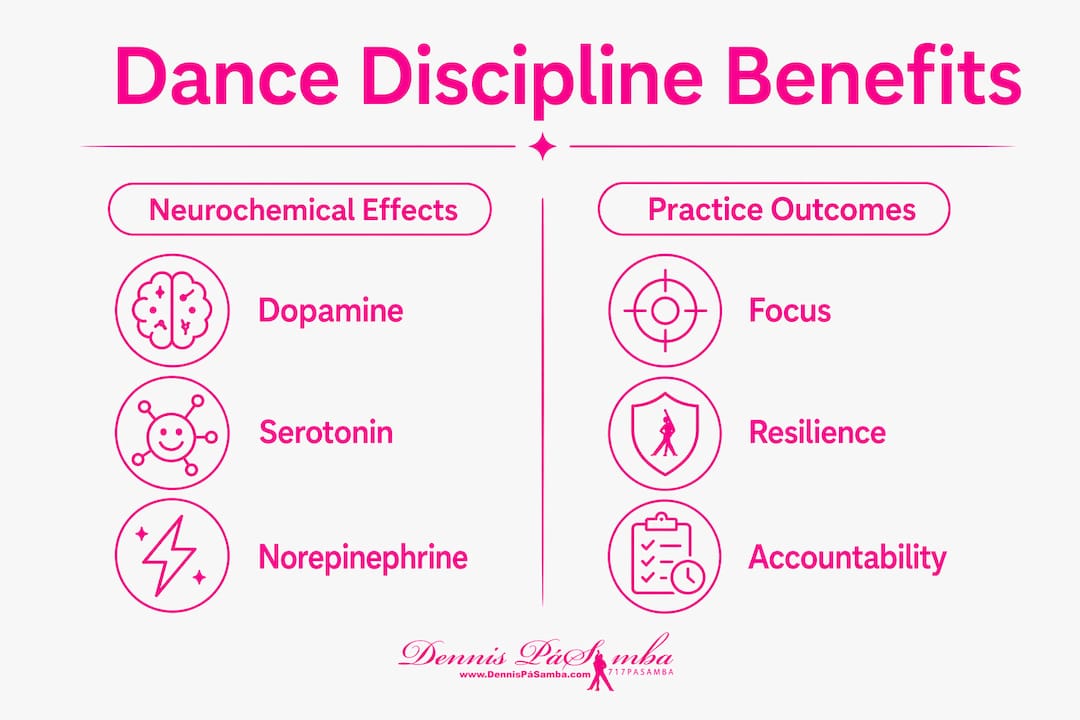
Dance changes your brain chemistry in ways that directly support discipline. Dance stimulates dopamine, serotonin, and norepinephrine, boosting brain connectivity across sensory, motor, and cognitive regions. Dopamine drives motivation. Serotonin stabilizes mood. Norepinephrine sharpens attention. Together, they create the neurological conditions for sustained focus.
Structured choreography adds another layer. Learning a Salsa sequence or a Bachata pattern requires you to hold multiple steps in working memory while your body executes them. Regular weekly dance practice improves attention switching and memory capacity over several months of consistent training. That means every class you attend is literally rewiring your brain to focus better.
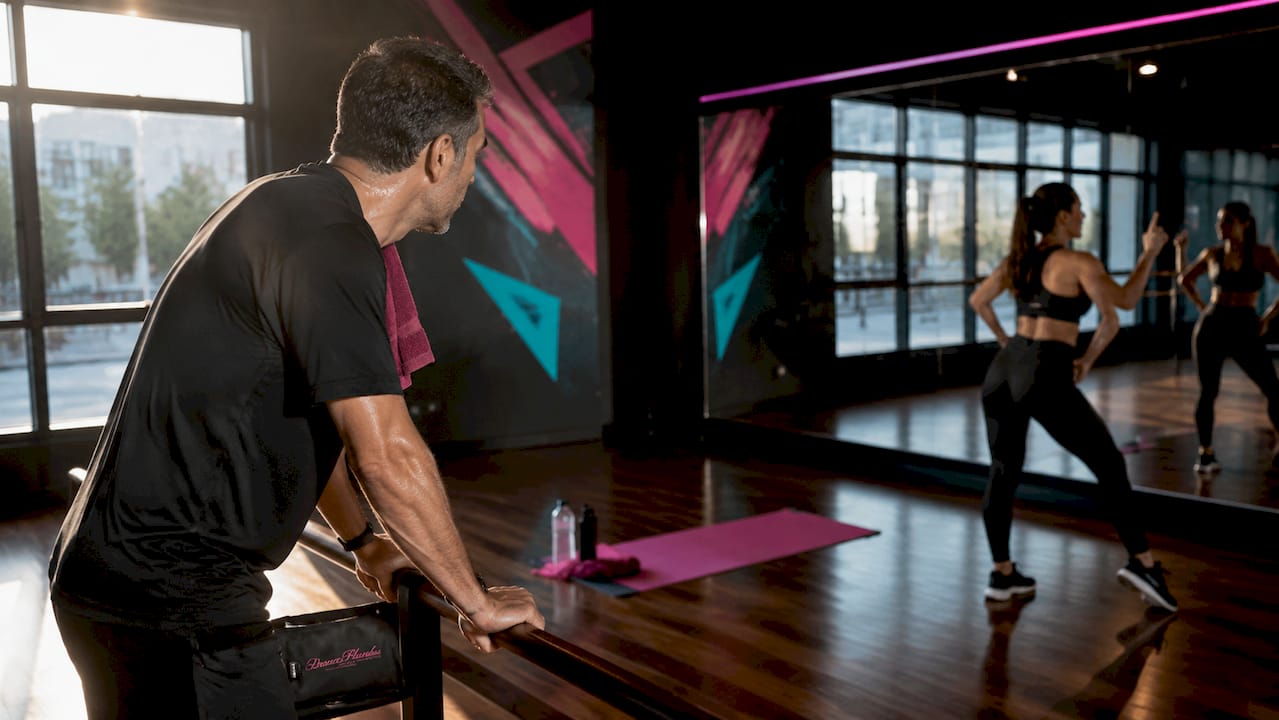
There is also a reset effect. Adults who stay locked in task-oriented mental states all day lose cognitive sharpness. Dance shifts the brain from task-oriented mode into integration mode, engaging body coordination, sensory awareness, and social interaction at once. That reset allows sharper thinking when you return to work or personal goals.
The table below summarizes how each neurotransmitter connects to discipline and focus.
| Neurotransmitter | Primary effect | Discipline benefit |
|---|---|---|
| Dopamine | Drives motivation and reward | Reinforces consistent practice |
| Serotonin | Stabilizes mood and emotional regulation | Reduces frustration during learning |
| Norepinephrine | Sharpens attention and alertness | Sustains focus through complex choreography |
Pro Tip: Commit to at least two dance sessions per week for a minimum of eight weeks. The neuroplasticity benefits from dance compound over time, and the discipline gains become measurable only with consistent repetition.
How is dance different from other discipline-building activities?
Most discipline-building methods rely on willpower and pressure. Dance does not. Dance creates a natural attentional container by combining rhythm, repetition, and variation, making discipline feel organic rather than forced. You are not white-knuckling your way through a task. You are absorbed in movement, and the focus follows naturally.
This is what researchers call embodied engagement. Your brain and body must work together simultaneously, which means your attention has nowhere else to go. That full-body absorption is something a meditation app or a productivity planner cannot replicate. Adults who learn dance differently from younger students often find this embodied quality especially effective because it bypasses the mental resistance that blocks other self-improvement efforts.
Social accountability also sets dance apart. A group Salsa class creates peer commitment. You show up because others expect you, and that external structure supports internal discipline before it becomes habit. The community element is not a bonus. It is a core mechanism.
Here are the discipline benefits that are unique to dance compared to other methods:
- Pleasure-linked focus: Rhythm and music make sustained attention enjoyable, not punishing.
- Embodied attention: Full-body engagement leaves no mental bandwidth for distraction.
- Social co-regulation: Moving in sync with others stabilizes your nervous system and attention.
- Low burnout risk: Dance connects discipline to joy, reducing the fatigue common in forced practice.
- Transferable structure: Choreography teaches sequencing and planning skills that apply directly to work and life.
Pro Tip: If you feel resistance to starting, sign up for a group class rather than practicing solo. The social commitment removes the decision fatigue that kills solo discipline efforts before they begin.
How incremental learning in dance builds real resilience
Discipline does not arrive fully formed. It builds through small wins and managed setbacks. Discipline in dance develops through feedback loops, perseverance, and learning to manage physical and emotional discomfort. Every time you get a step wrong and try again, you are training your nervous system to tolerate frustration and persist.
This is the part most adults underestimate. The discomfort of not getting a Cumbia rhythm right on the first try is not a problem. It is the training. Managing that discomfort without quitting is exactly what builds the self-regulation that transfers to every other area of your life.
The most effective approach treats the dance studio as a laboratory. Mistakes are data, not failures. Adopting an integration mindset that treats errors as critical data points builds resilience and long-term discipline. That mindset shift is one of the most practical things you can take from dance into your career or personal goals.
Follow these steps to build discipline through incremental dance mastery:
- Start with one style. Pick Salsa, Bachata, or Cumbia and commit to it for at least 90 days before adding another.
- Track small wins. Note each new step or pattern you master. Visible progress reinforces the discipline loop.
- Name the discomfort. When a move frustrates you, say it out loud or write it down. Naming it reduces its power.
- Use instructor feedback. A good dance instructor’s feedback is the fastest path through a plateau. Do not avoid correction.
- Rest intentionally. Discipline includes knowing when to recover. Pushing through injury or exhaustion breaks the feedback loop.
The most common pitfall for adults is expecting linear progress. Progress in dance is not linear. You will plateau, regress briefly, and then leap forward. Expecting that pattern removes the frustration that causes most adults to quit.
How does community in dance classes amplify your discipline?
Social connection is not a soft benefit. It is a neurobiological mechanism. Social dance classes foster respect, teamwork, and co-regulation, stabilizing the nervous system and attention through synchronized movement. When you move in rhythm with another person, your brain registers safety signals that reduce anxiety and improve focus. That is not a metaphor. It is how the nervous system works.
Community also solves the scheduling problem. Balancing training, rehearsal, and social responsibilities teaches dancers schedule management and prioritization skills that transfer directly to work and personal life. When you have a Friday social at Dennis pasamba on the calendar, you protect that time. That habit of protecting committed time is a discipline skill.
The relational safety of a good dance community also lowers the emotional cost of showing up when motivation is low. You are not just going to a class. You are going to people who know you and expect you. That distinction matters enormously for adults who struggle with solo self-improvement efforts.
| Factor | Solitary discipline methods | Community dance methods |
|---|---|---|
| Accountability | Self-imposed only | Peer and instructor reinforcement |
| Motivation source | Willpower | Social connection and shared goals |
| Burnout risk | High without external support | Lower due to relational safety |
| Schedule adherence | Flexible, often skipped | Structured class times create commitment |
| Nervous system effect | Neutral to stressful | Co-regulation through synchronized movement |
For adults who want the social benefits of dance classes alongside the discipline gains, group classes deliver both simultaneously. That efficiency is hard to find in any other personal development activity.
Key Takeaways
Dancing builds discipline by engaging the brain’s reward system, training embodied attention, and creating social accountability that sustains commitment far longer than willpower alone.
| Point | Details |
|---|---|
| Neurotransmitter activation | Dance boosts dopamine, serotonin, and norepinephrine, directly supporting motivation and focus. |
| Embodied attention | Full-body engagement in choreography creates natural, sustained focus without forced effort. |
| Incremental mastery | Managing small failures and wins in dance trains the self-regulation that transfers to life and work. |
| Social accountability | Group classes create peer commitment that protects practice time and reduces dropout. |
| Integration mindset | Treating mistakes as data points builds resilience and long-term discipline faster than perfectionism. |
What 33 years of teaching taught me about discipline and dance
I have watched thousands of adults walk into Dennis pasamba convinced they have no discipline. They are wrong. They have discipline. They just have not found the right container for it yet.
The biggest mindset block I see is the belief that discipline has to feel hard to count. Adults come in expecting to grind. When they enjoy a Salsa class, they assume it does not qualify as real self-improvement. That assumption is the obstacle. The enjoyment is not a sign that you are slacking. It is a sign that the neurochemistry is working.
What I have found over three decades is that the adults who build the most durable discipline are the ones who stop fighting the fun. They show up to class, they laugh when they mess up a Bachata step, and they come back the next week. That cycle, repeated consistently, produces focus and commitment that no productivity system can match.
My honest advice: give it 90 days before you judge the results. The first month feels awkward. The second month feels like progress. The third month, you realize you have been showing up consistently without even thinking about it. That is discipline. You built it through movement, community, and a little bit of joy.
— Dennis pasamba
Build your discipline with beginner salsa classes in Chicago
Adults who want to put these ideas into practice have a clear starting point at Dennis pasamba, Chicago’s top-rated Latin dance studio with over 850 five-star reviews and 33 years of coaching experience.
The beginner Salsa classes are built for adult learners at every level, including those with zero dance background. Classes run in a structured format that supports incremental progress, social engagement, and the kind of consistent practice that actually builds discipline. No partner needed. Singles and couples are both welcome. If you want a more personalized path, private lessons give you direct instructor feedback that accelerates your progress. Check the Latin beginner checklist to find the right class for where you are starting.
FAQ
Why does dancing build discipline more effectively than solo workouts?
Dance combines physical effort with cognitive engagement and social accountability, creating three reinforcing discipline mechanisms at once. Solo workouts typically rely on willpower alone, which depletes faster without external structure.
How long does it take to see discipline benefits from dance?
Regular weekly dance practice improves attention and focus over several months of consistent training. Most adults notice meaningful changes in focus and commitment within 8–12 weeks of attending classes twice per week.
Can dance help adults who already struggle with self-control?
Yes. Dance strengthens attention naturally by providing pleasure and meaning, which bypasses the willpower deficit that makes self-control difficult. The neurochemical response to movement supports self-regulation even when motivation is low.
Do I need prior dance experience to build discipline through dance?
No prior experience is needed. Beginner classes are specifically designed to introduce incremental challenges that build discipline from the ground up, regardless of your starting point.
What dance styles are best for building focus and discipline?
Salsa, Bachata, and Cumbia are all effective because they combine rhythmic structure with social interaction and progressive choreography. The best style is the one you enjoy enough to practice consistently.