
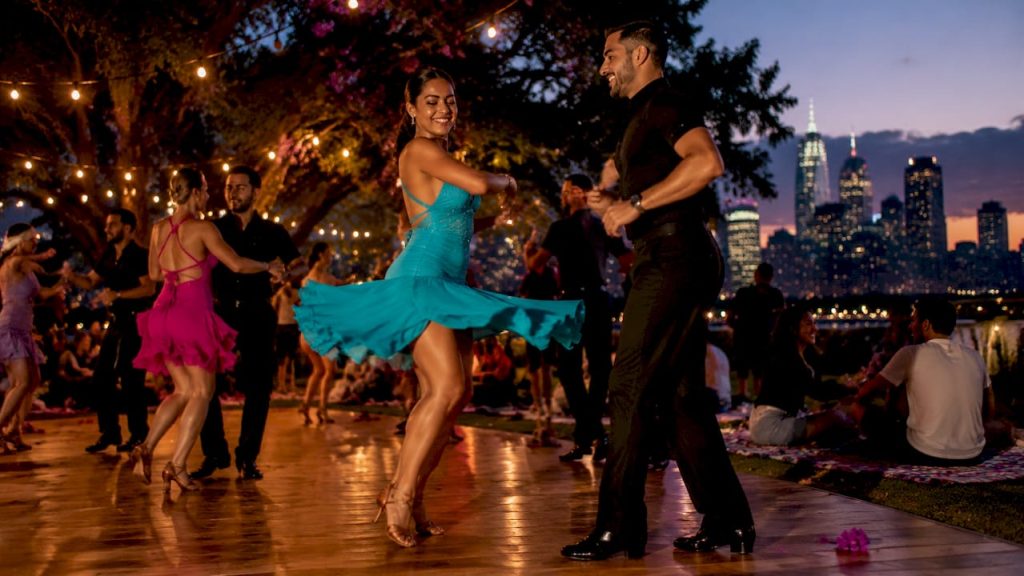
Latin dance is the fastest-growing partner dance category in North America in 2026, driven by a convergence of mainstream Latin music, viral social media trends, and organized community events that convert casual listeners into committed dancers. Artists like Bad Bunny have pulled millions of new people onto dance floors, while studios in cities like Chicago and New York are reporting record enrollment. The reasons why Latin dance is gaining popularity in 2026 go far deeper than a single hit song. They connect to human needs for belonging, cultural identity, and joyful physical expression that no streaming algorithm can fully replace.
Why Latin dance is gaining popularity in 2026: the music connection
The single biggest driver of Latin dance growth in 2026 is the global dominance of Latin music. Spanish-language songs top charts worldwide through streaming platforms and viral social media dance challenges, turning refrains into communal rituals that encourage participation even without lyric understanding. That is a remarkable cultural shift. A genre once considered regional is now the default soundtrack for a generation.
Bad Bunny’s salsa track Baile Inolvidable is the clearest proof of this effect. A NYC studio owner reported doubling class sizes after the track’s release, also observing more young people dancing socially whenever the song played in public spaces. That is not coincidence. That is the “song-to-studio pipeline” in action: a viral track creates a shared cultural moment, and curious listeners immediately want to learn the moves behind it.
This pipeline works because music videos and short-form content on platforms like TikTok and Instagram Reels show instructors performing accessible moves alongside the original track. The visual hook lowers the barrier to entry. You do not need years of training to feel connected to a song. You just need one class.
Here is what the music-driven growth pattern looks like in practice:
- Viral track drops on streaming platforms and social media
- Dance challenge spreads, showing simplified versions of the style
- Search volume spikes for terms like “salsa classes near me” or “how to dance Bachata”
- Studios report enrollment jumps within days of a song going viral
- New students stay because they find community, not just choreography
Pro Tip: If a Latin song is stuck in your head, that is your cue to take one class. Studios like Dennis PaSamba in Chicago see this pattern constantly. The song is already doing half the work.
The generational impact matters too. Bad Bunny’s endorsement changed older generations’ perceptions, legitimizing new Latin music and revitalizing partner dance interest among youth who previously saw salsa as their grandparents’ dance. That cross-generational permission is rare and powerful.
How Latin dance nights build community and preserve culture
Latin dance nights are not just entertainment. They function as acts of cultural maintenance, fostering cross-generational connections and a sense of belonging that goes far beyond the dance floor. This is one of the most underappreciated Latin dance growth factors in 2026.
NYC’s Latin dance scene illustrates this clearly. Events happen in block parties, warehouse spaces, and dedicated studios, each format serving a slightly different community need. The common thread is that these spaces give people a place to be fully themselves, to connect with their heritage, and to meet others who share that connection. For adults aged 21 to 45, that kind of authentic social space is increasingly rare.
“Dance social nights act as an in-person, cross-generational ‘homecoming’ that preserves Latinidad and cultural identity in NYC’s evolving urban landscape.” — Why Latin Dance Nights Are Vital to NYC’s Latine Culture
Here is why these events sustain participation far better than solo fitness trends:
- Cultural identity is reinforced. Attendees connect with music, language, and movement that reflects their heritage or the heritage they admire.
- Cross-generational bonds form naturally. A 25-year-old learning from a 55-year-old on the dance floor creates social capital that no app can replicate.
- Belonging is immediate. You do not need to be an expert. Showing up is enough to be welcomed.
- Repeat attendance is built in. Weekly socials create a rhythm. You come back not just to improve, but because the people are there.
The social function of dance nights sustains participant loyalty beyond technique or competition. That loyalty is what separates Latin dance from fitness fads. People do not quit something that makes them feel at home.
What do Latin dance congresses offer that regular classes don’t?
Organized Latin dance congresses represent one of the most effective structures for turning casual interest into long-term commitment. The Brux Bachata Congress 2026 attracts around 600 attendees with a weekend program that includes workshops, social dancing parties, and competitions featuring international couples. Entry is priced around EUR 75 for the full weekend. That predictable, all-in cost removes the friction that stops many adults from committing.
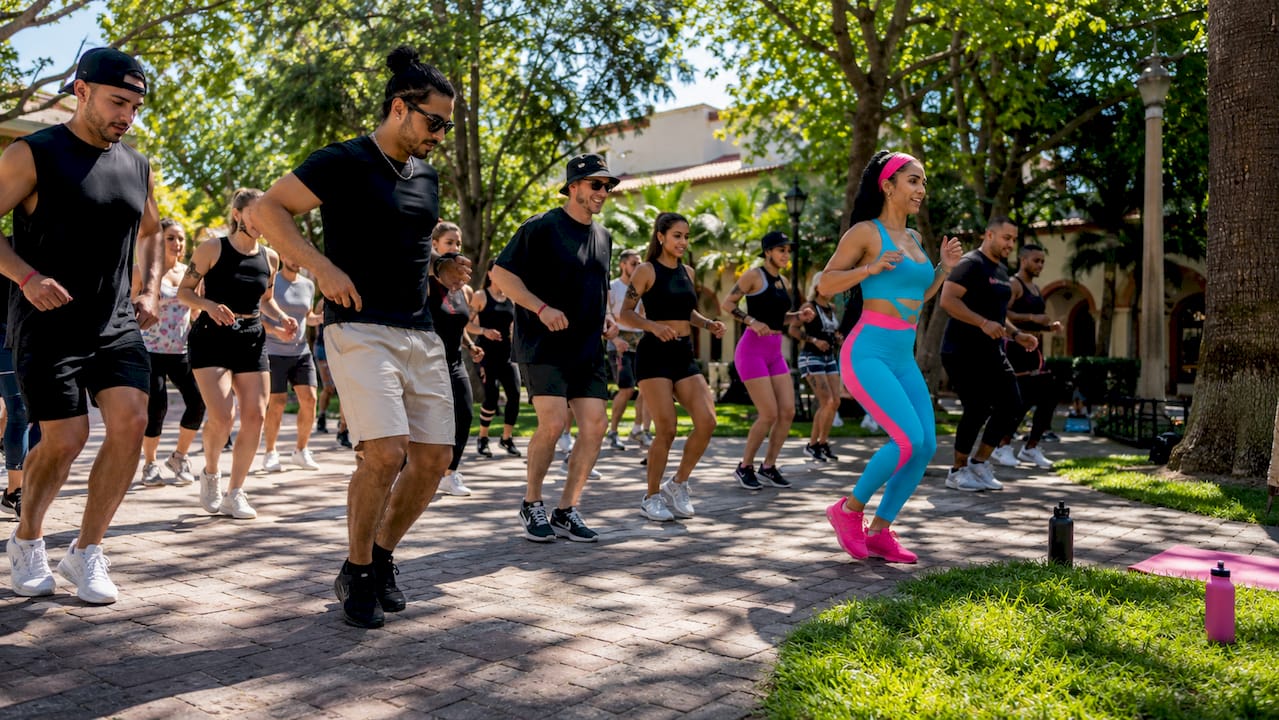
| Feature | Regular weekly class | Latin dance congress |
|---|---|---|
| Duration | 1 hour per session | Full multi-day weekend |
| Social dancing | Limited or separate | Built into every evening |
| Skill levels served | Usually one level | Beginner through advanced |
| Community depth | Grows slowly | Intense and immediate |
| Cost structure | Pay per class | Single entry fee covers all |
The congress model works because it creates what researchers call an engagement loop: learn in a workshop, apply it on the social floor that night, watch performances for inspiration, then repeat the next day. Each layer reinforces the others. You leave a congress more skilled, more connected, and more motivated than any single class could produce.
For adults with busy schedules, the concentrated format is also practical. One weekend delivers the equivalent of months of weekly classes in terms of social exposure and skill acceleration.
Pro Tip: If you are new to Latin dance, attending a local social night before a congress gives you a baseline. Dennis PaSamba’s Friday night socials in Chicago are a perfect low-pressure starting point before committing to a full weekend event.
What makes popular Latin dance styles so accessible in 2026?
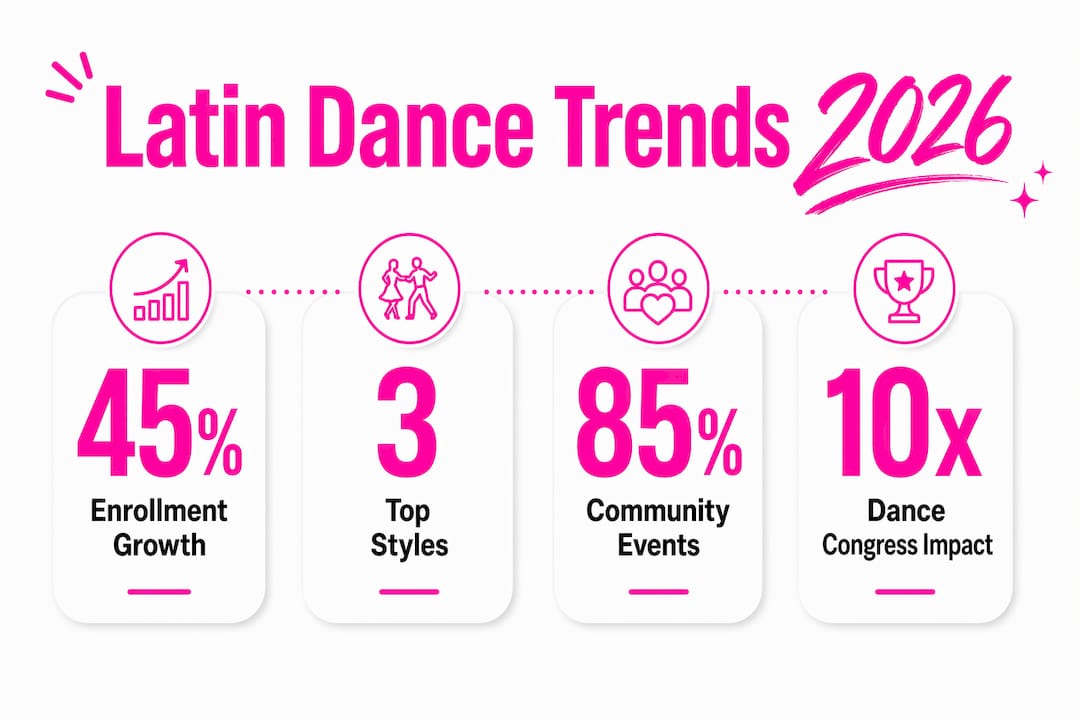
The most popular Latin dance styles in 2026, including Salsa, Bachata, and Cumbia, share a quality that most other partner dances lack: they reward connection over perfection. You do not need to master footwork before you can enjoy dancing with a partner. The lead-and-follow structure means a confident beginner can have a genuinely fun experience in their first class.
Bachata has seen particularly strong growth because its slower tempo and close-hold style feel immediately intimate and manageable. Salsa attracts people who want energy and speed. Cumbia draws in those who grew up hearing it at family gatherings. Each style offers a different emotional entry point, which means the broader category of Latin dance serves a wider range of people than any single style could.
Here is what makes these styles especially accessible right now:
- Modern music is already familiar. When the song playing in class is one you heard on Spotify last week, learning feels natural rather than academic.
- No partner required. Studios like Dennis PaSamba in Chicago explicitly welcome singles, removing one of the biggest psychological barriers to enrollment.
- Social media instruction is everywhere. Short tutorials on YouTube, TikTok, and Instagram give beginners a preview before they ever walk into a studio, reducing first-class anxiety.
- The community is welcoming by design. Latin dance social events are built around rotation, meaning you dance with many partners in one night, not just one.
- Physical benefits are immediate. Improved coordination, cardiovascular fitness, and stress reduction are noticeable after just a few sessions, giving beginners a concrete reason to return.
The benefits of Latin dance extend well beyond the physical. Regular dancers report stronger social networks, greater cultural awareness, and measurably higher confidence in social situations. For adults in the 21 to 45 age range, those outcomes are exactly what many are looking for.
Key takeaways
Latin dance is gaining popularity in 2026 because viral music, inclusive community events, and structured congresses work together to convert casual interest into lasting participation.
| Point | Details |
|---|---|
| Music drives enrollment | Viral Latin tracks like Bad Bunny’s Baile Inolvidable directly cause studio class size increases. |
| Dance nights build belonging | Latin dance socials function as cultural homecomings that sustain loyalty beyond skill development. |
| Congresses accelerate growth | Multi-day events like Brux Bachata Congress create intense engagement loops that deepen commitment fast. |
| Accessibility lowers barriers | Styles like Bachata and Salsa reward connection over technique, welcoming total beginners immediately. |
| Community sustains the trend | Layered events convert viral interest into lasting engagement rather than a fleeting seasonal spike. |
Why I think the real story is about belonging, not just dance
After 33 years teaching Salsa, Bachata, Cumbia, and more in Chicago, I have watched dozens of trends come and go. What is different about 2026 is not the music, though Bad Bunny’s impact is real and measurable. What is different is that people are actively hungry for in-person community in a way I have not seen since the early 2000s salsa boom.
Every week at Dennis PaSamba, I see people walk in alone and leave with three new friends. That is not a marketing claim. That is what happens when you put people in a room with great music, a shared physical activity, and zero pressure to be perfect. The dance is the excuse. The connection is the point.
I also want to push back on the idea that Latin dance is trending because it is “easy.” Bachata is not easy. Salsa is not easy. What they are is forgiving. You can be a beginner and still have a great time on the floor. That distinction matters. Trends built on ease fade fast. Trends built on genuine reward last for decades.
My advice to anyone curious about why Latin dance is popular right now: stop analyzing it and go experience one social night. You will understand in about 20 minutes why people keep coming back.
— Dennis pasamba
Ready to join Chicago’s Latin dance community?
If you are curious about the Latin dance trends 2026 is producing, the best next step is a real class with real people. Dennis PaSamba is Chicago’s top-rated Latin dance studio with 850+ five-star reviews and 33 years of coaching experience. Whether you are a complete beginner or looking to sharpen your Salsa and Bachata, there is a class, social, or private lesson designed for exactly where you are right now.
Start with 8 dynamic warm-up moves to prepare your body before your first class. When you are ready to level up, explore intermediate and advanced classes in Salsa, Bachata, and Cumbia. No partner needed. Singles and couples are both welcome. Gift cards are available too.
FAQ
Why is Latin dance gaining popularity in 2026?
Latin dance is growing in 2026 primarily because of the global rise of Latin music, led by artists like Bad Bunny, combined with inclusive social dance events that build genuine community. The “song-to-studio pipeline” converts viral listeners into enrolled students at a measurable rate.
What are the most popular Latin dance styles right now?
Bachata, Salsa, and Cumbia are the three most popular Latin dance styles in 2026. Bachata leads in new student enrollment due to its accessible tempo and close-hold style, while Salsa remains the most recognized globally.
What are the main benefits of Latin dance for adults?
The benefits of Latin dance include improved cardiovascular fitness, stronger social connections, greater cultural awareness, and increased confidence. Adults who dance regularly also report lower stress levels and a stronger sense of community belonging.
Do I need a partner to start Latin dance classes?
No partner is required. Most Latin dance studios, including Dennis PaSamba in Chicago, welcome singles and rotate partners during class, so you meet and dance with multiple people in a single session.
How do Latin dance congresses differ from regular classes?
Latin dance congresses like Brux Bachata Congress 2026 combine workshops, social dancing, and competitions into a multi-day format for a single entry fee. This structure delivers faster skill development and deeper community connection than weekly classes alone.