
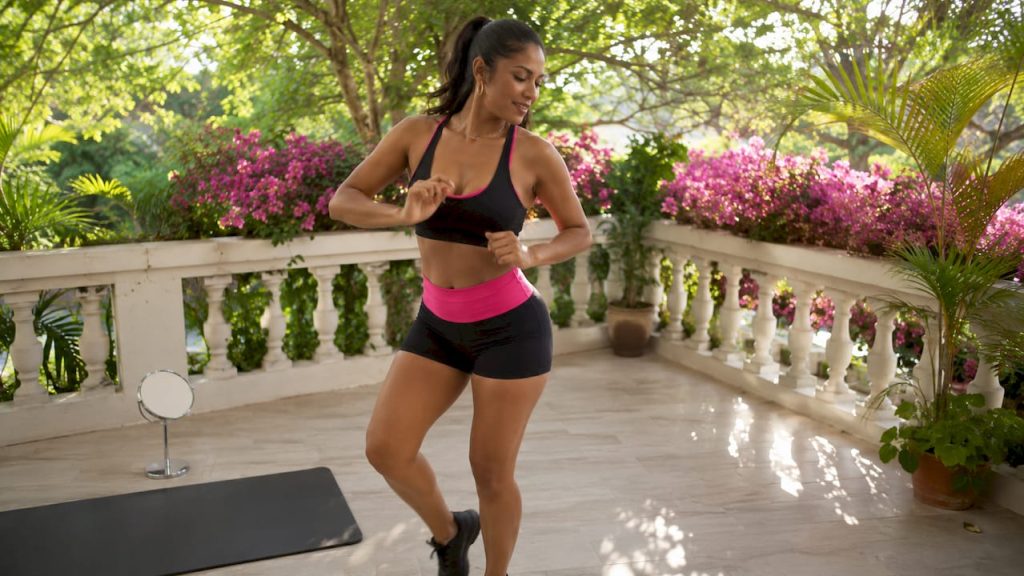
Bachata body movement technique is the art of moving your torso, hips, and chest independently and fluidly to create expressive, rhythmic dance. In the dance world, this skill set is often called body isolation, and it separates dancers who look natural on the floor from those who look stiff. You do not need years of formal training to get there. You need the right mechanics, consistent practice, and a clear understanding of how each body part connects to the music and your partner.
What is the bachata body movement technique foundation?
Good body movement starts with posture, not hips. Foundational bachata movement requires a relaxed upright stance, knees slightly bent, shoulders back, and a steady torso. That setup is not optional. Without it, your hips cannot move freely because your weight has nowhere to shift.
The basic bachata step follows a 1-2-3-tap pattern. On each step, your weight transfers fully from one foot to the other. That transfer is what creates the natural hip sway. Dancers who force their hips to move without completing the weight shift end up with a choppy, disconnected look. Let the weight shift do the work.
Shoulder alignment matters more than most beginners expect. Keeping your shoulders level and your torso upright prevents the common mistake of leaning side to side. A quick mirror check reveals this immediately. Stand in front of a mirror, do your basic step, and watch whether your shoulders tilt. If they do, slow down and focus on keeping your upper body still while your lower body moves.
- Keep knees soft, never locked
- Shift weight fully onto each foot before stepping again
- Hold your torso upright without stiffening your spine
- Check shoulder level in a mirror during every practice session
Pro Tip: If your hips feel stuck, stop trying to move them. Instead, slow your basic step to half speed and focus only on completing each weight transfer. The hip movement will appear on its own.
How do you isolate and control specific body parts?
Body isolation in bachata means moving one part of your body independently while the rest stays still. That skill is the core of sensual bachata technique, which originated in Spain in the early 2000s and places fluid body mechanics above complex footwork. Traditional Dominican bachata uses subtler isolations, but both styles demand the same foundational control.
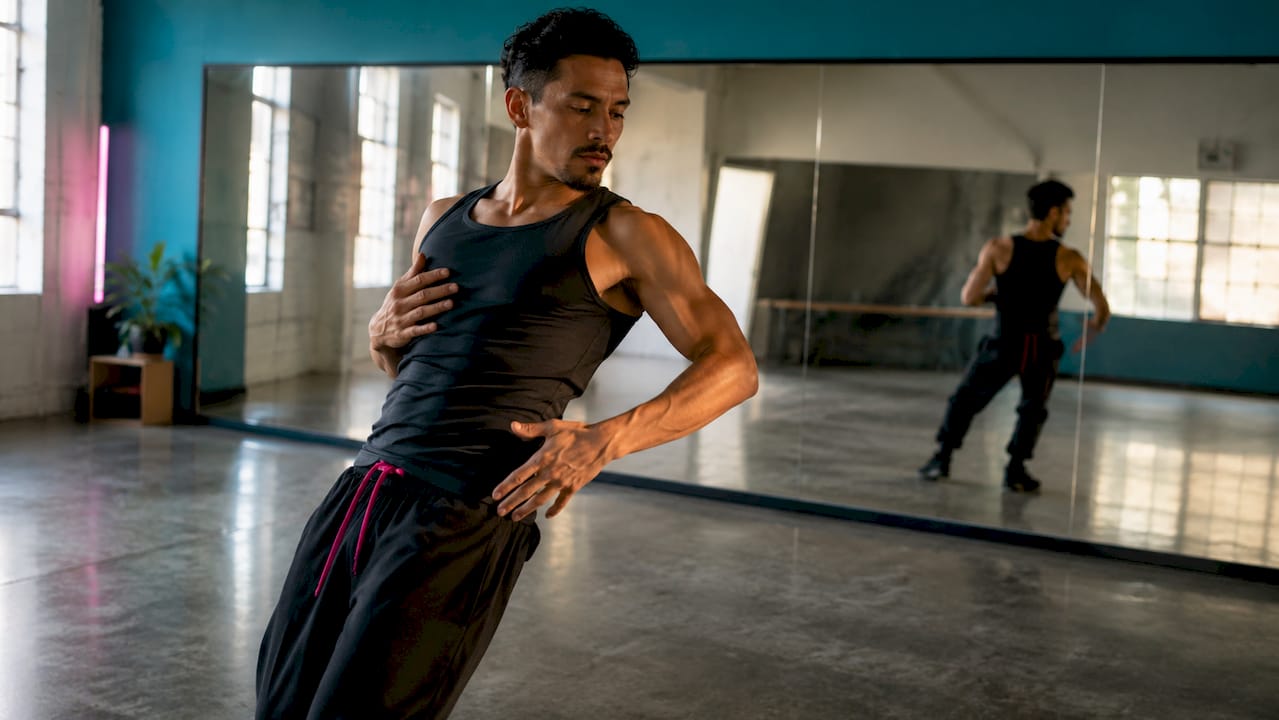
Start with chest isolations before moving to hips or full body waves. The chest can move forward, backward, side to side, and in a circular pattern. Each direction is a separate drill. Practice each one slowly in front of a mirror until the movement is clean and controlled. Only then combine them into a circular motion.
Hip isolations follow naturally once your chest work is solid. The hips respond to weight transfer, so the drill is simple: stand with feet hip-width apart, shift your weight to your right foot, and let your right hip rise slightly. Shift to your left foot, and your left hip rises. That is the foundation of the bachata hip movement. Do not push the hip out. Let the weight shift pull it up.
Torso waves and body rolls connect the chest and hips into one continuous motion. The sequence runs from chest forward, to midsection forward, to hips forward, then reverses. Here is a step-by-step approach to building a clean body wave:
- Stand upright with knees slightly bent
- Push your chest forward while keeping your hips back
- Let your midsection follow the chest forward
- Allow your hips to complete the wave forward
- Reverse the sequence: hips back, midsection back, chest back
- Repeat slowly until the motion feels connected, not segmented
Mirror practice accelerates learning because you can see exactly where the wave breaks or stiffens. Most dancers find the midsection is the hardest part to move freely. That is a flexibility issue, not a coordination issue.
Pro Tip: Take a slow, deep breath before each isolation drill. Muscle tension blocks fluid movement, and a conscious exhale releases the tightness that prevents your body from flowing naturally.
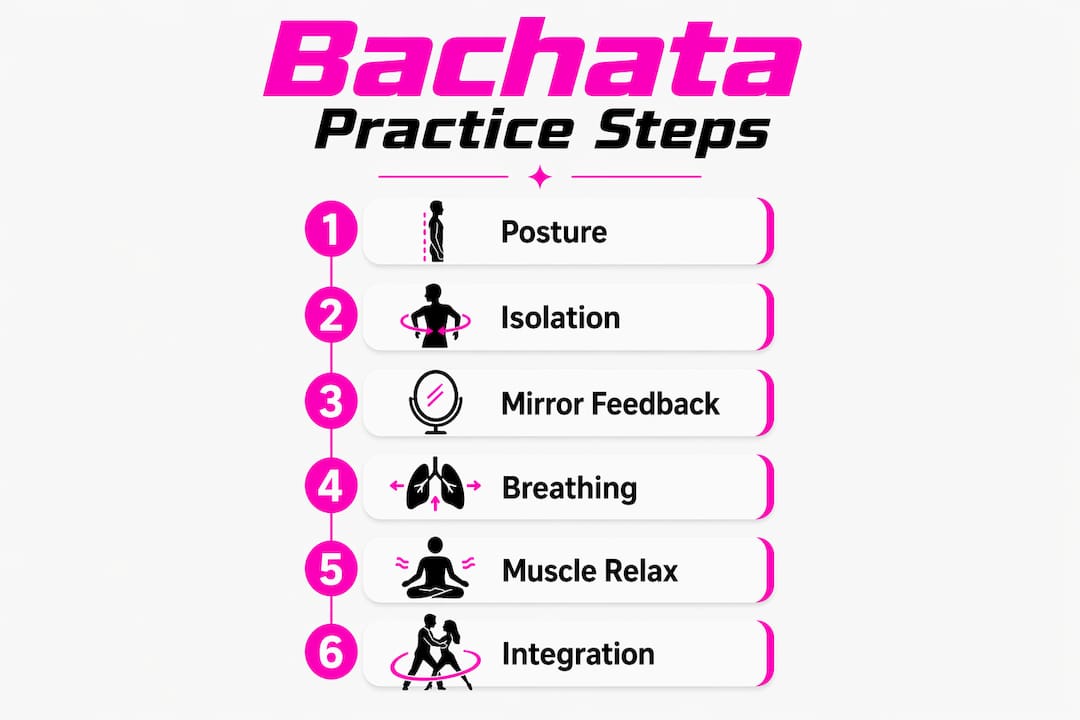
How do you combine body movement with bachata steps and music?
Integrating body movement with footwork is where bachata dance techniques come alive. The tap on beat 4 (and beat 8) is your best opportunity to add a body accent. A small hip pop, a chest push, or the start of a body roll on that tap gives your dancing texture and personality.
The table below shows how different body movements map to the basic bachata rhythm:
| Beat | Footwork | Body movement option |
|---|---|---|
| 1 | Step right | Weight shift, right hip rises |
| 2 | Step left | Weight shift, left hip rises |
| 3 | Step right | Weight shift, right hip rises |
| 4 | Tap left | Hip accent or chest push |
| 5 | Step left | Weight shift, left hip rises |
| 6 | Step right | Weight shift, right hip rises |
| 7 | Step left | Weight shift, left hip rises |
| 8 | Tap right | Hip accent or body roll initiation |
Sensual bachata emphasizes body waves and flowing transitions over footwork complexity. Traditional Dominican bachata keeps body movement tighter and more grounded. Knowing which style you are practicing helps you choose the right body movement drills for your goals.
When practicing with a partner, remember that body movements communicate through torso frame and weight transfer, not force. Leaders guide with connection, not muscle. Followers respond to the frame, not a push. That principle changes how you think about body movement entirely.
- Practice the basic step alone with music before adding body accents
- Add one body movement at a time, not all at once
- Count out loud while practicing to stay connected to the rhythm
- Record yourself on video to spot where movement and music fall out of sync
What challenges do beginners face with bachata body movement?
Stiffness is the most common obstacle. Mastering bachata body isolations takes consistent daily practice over months, with most dancers feeling awkward for roughly the first 1.5 months. That timeline is normal. Expecting instant fluidity leads to frustration and tension, which makes the problem worse.
Spinal flexibility is the real prerequisite for smooth body waves. Most beginners focus on hip movement when the actual limitation is a stiff spine. The Cat-Cow stretch, borrowed from yoga, directly targets spinal mobility. Do 10 slow repetitions before every practice session. You will notice a difference in your body waves within two weeks.
Overthinking is the other major block. Mastery happens when dancers move intuitively, focusing on music and partner connection rather than anatomy. When you are counting every body part, you stop listening to the music. The fix is to practice your isolations separately until they become automatic, then put on music and stop counting.
“Technique creates trust and safety. It is the grammar that helps dancers communicate without rigidity.” — Bachata Society
Practical strategies to work through these challenges:
- Do the Cat-Cow stretch for 2 minutes before every practice session
- Use video recording to spot tension you cannot feel in the moment
- Practice solo at home between classes to build muscle memory
- Focus on one isolation per session instead of trying to fix everything at once
- Avoid common beginner mistakes like locking your knees or holding your breath
Key takeaways
Bachata body movement technique requires correct posture, deliberate isolation practice, and musical integration before fluidity becomes natural.
| Point | Details |
|---|---|
| Posture comes first | Relaxed knees and upright torso create the foundation for natural hip movement. |
| Isolations build fluency | Practice chest, hip, and torso movements separately before combining them. |
| Weight transfer drives hips | Hip movement is a result of full weight shifts, not a forced push outward. |
| Spinal flexibility matters | Cat-Cow stretches improve body waves faster than hip drills alone. |
| Patience is part of the process | Most dancers need at least 1.5 months of consistent practice before movement feels natural. |
Why technique is the most freeing thing you can learn
After 33 years of teaching and dancing, I have watched hundreds of students fight their own bodies on the dance floor. The ones who break through fastest are not the most athletic. They are the ones who stop trying to look good and start trying to feel the music.
Bachata technique serves as the grammar of dance. That framing changed how I teach. Grammar does not restrict what you say. It gives you the tools to say it clearly. When your posture is right and your isolations are trained, you stop thinking about your body and start thinking about your partner and the song. That is when dancing actually begins.
The biggest mistake I see is dancers who skip the slow work. They want to do body rolls on day one. But a body roll without spinal flexibility just looks like a shrug. Spend two weeks on chest isolations alone. Then add hips. Then connect them. The wave will come, and when it does, it will feel effortless because the pieces were already in place.
One more thing: be patient with yourself. Learning bachata body flow is not a linear process. Some days your body will feel loose and connected. Other days it will feel like you forgot everything. That is normal. Show up anyway. The consistency is what builds the muscle memory, not the perfect practice session.
— Dennis pasamba
Start your bachata journey at Dennis pasamba
Ready to put these techniques into practice with expert guidance? Dennis pasamba is Chicago’s top-rated Latin dance studio with 850+ five-star Google reviews and over 33 years of coaching experience. Classes cover all levels, from complete beginners to advanced dancers working on body expression and partner connection.

No partner needed. Singles and couples are both welcome. Whether you want group classes, private one-on-one lessons, or weekend workshops, Dennis pasamba has a format that fits your schedule and goals. Check out the dance studio checklist for beginners to find the right fit, or jump straight into bachata and cumbia classes in Chicago and start moving tonight.
FAQ
What is the most important part of bachata body movement?
Posture and weight transfer are the foundation. Hip movement and body waves emerge naturally once your stance is correct and your weight shifts fully on each step.
How long does it take to learn bachata body isolations?
Most dancers feel comfortable with basic isolations after roughly 1.5 months of consistent daily practice. Full fluency takes longer and develops through continued dancing and music awareness.
Why do my body waves look stiff?
Stiff body waves almost always point to limited spinal flexibility, not poor coordination. Cat-Cow stretches before practice sessions directly improve spinal mobility and make waves smoother within weeks.
What is the difference between traditional and sensual bachata body movement?
Traditional Dominican bachata uses subtle, grounded hip movement tied closely to the basic step. Sensual bachata, which originated in Spain in the early 2000s, emphasizes full body waves, chest isolations, and flowing transitions between movements.
Can I practice bachata body movement without a partner?
Yes. Solo practice is one of the fastest ways to build body isolation skills. Use a mirror or record yourself on video to check your form, and practice your isolations and basic step with music at home between classes.