
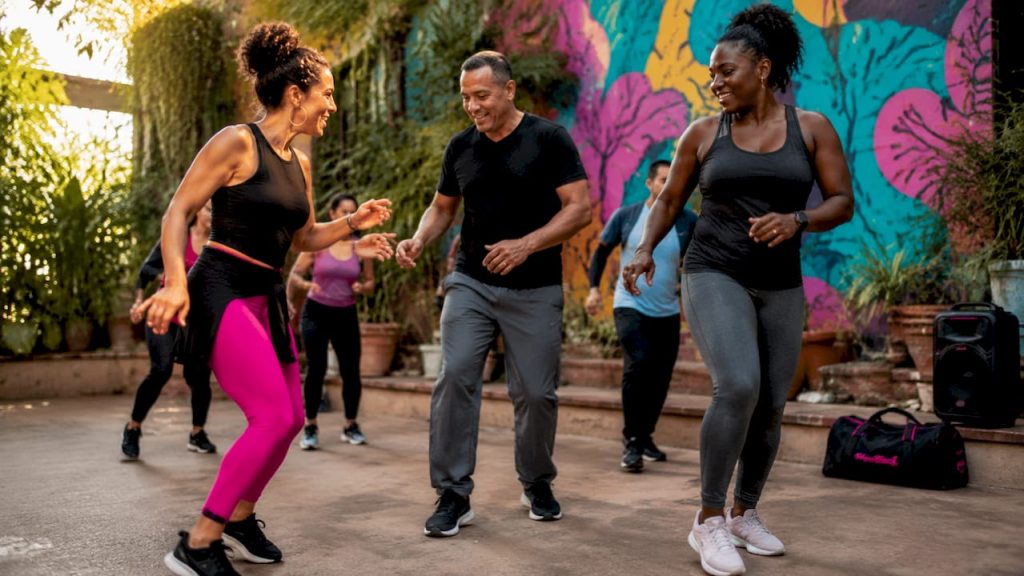
A beginner Latin dance class is defined as a structured, instructor-led session that teaches adults foundational partner dance skills through repetition, rhythm training, and guided social interaction. No prior experience is required. Classes at studios like Dennis pasamba are built specifically for adults who have never danced before, with a pace that builds confidence before technique. You will leave your first class knowing a few real steps, not just watching from the sidelines.
1. What are beginner dance class expectations for new adults?
Beginner dance class expectations center on one core promise: you will be guided, not thrown in. Classes follow a consistent flow of warm-up, foundational drilling, short combo practice, and a cool-down with instructor feedback. That structure repeats every session, which means your brain starts to relax because it knows what comes next. The goal is familiarity, not perfection.
Adult beginners often arrive expecting to feel lost. The reality is that beginner classes are designed to emphasize foundational skills over choreography, which means the instructor slows everything down and explains each move before you try it. You are not expected to keep up with advanced dancers. You are expected to show up and try.
2. How a typical beginner Latin dance class is structured
First dance lessons last 30–60 minutes, move at a relaxed pace, and focus on one simple dance at a time. That time frame is intentional. Shorter sessions prevent mental fatigue and let you absorb what you learned before the next class.
Here is the standard flow you can expect at a beginner Latin class:
- Warm-up (5–10 minutes). Light movement to prepare your body and shift your focus to the room. Instructors often use this time to introduce the rhythm of the night’s dance.
- Basic footwork instruction. The instructor breaks down the step pattern count by count. For Salsa, that means learning “1-2-3, 5-6-7”. For Bachata, it is “1-2-3-4.” You practice alone first, then with a partner.
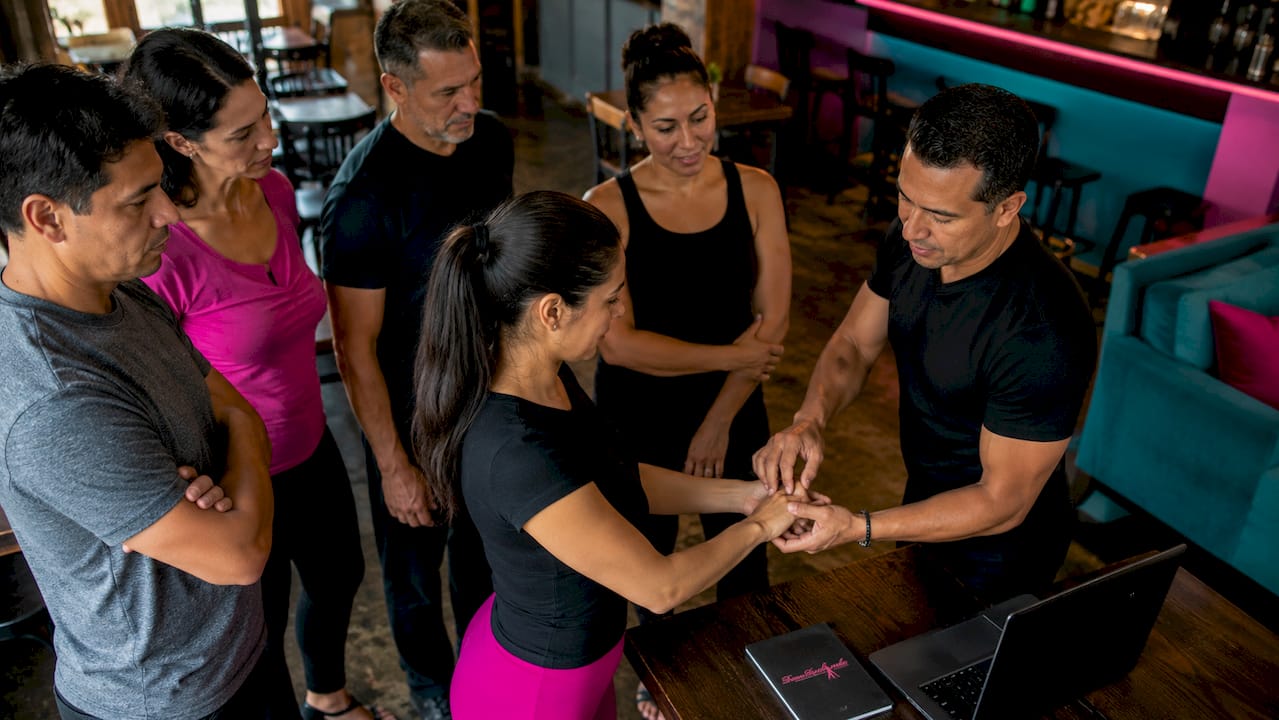
- Partner practice with rotation. You try the steps with a partner, then rotate to a new one after a few minutes. Partner rotation is a deliberate teaching strategy that builds versatility and reduces the pressure of relying on one person.
- Short combo practice. The instructor links two or three moves together. You repeat the combo until it starts to feel natural.
- Cool-down and feedback. The class ends with a brief review, instructor notes, and often a short Q&A.
Pro Tip: Arrive 10 minutes early for your first class. Instructors at studios like Dennis pasamba often do a quick informal orientation for new students before the session officially starts.
3. What skills you will actually learn as a Latin dance beginner
Adult beginner classes focus on five core areas: posture, rhythm and counting, basic footwork, body awareness, and remembering short combinations. Choreography comes much later. The goal in the first weeks is to build usable skills you can take to a social dance floor.
Here is what that looks like in practice:
- Basic footwork patterns. You learn the fundamental step for one or two dances, such as Salsa or Bachata. Each dance has its own rhythm and weight transfer pattern.
- Posture and frame. Good posture is not about looking stiff. It is about creating a physical connection with your partner so they can feel your lead or follow.
- Musical counting. You learn to hear the beat and match your steps to it. This is the skill most beginners underestimate and most instructors prioritize.
- Lead and follow roles. The lead initiates movement. The follow responds. Both roles are taught from day one in a simple, low-pressure way.
- Layered learning. Effective teaching breaks skills into layers: feet first, then arms, then rhythm together. This prevents overload and lets timing improve naturally through repetition.
- Short combinations. The focus is on remembering counts and simple step patterns rather than full choreography. That builds real confidence faster than trying to memorize a routine.
The dance studio questions checklist for Latin beginners at Dennis pasamba is a useful resource for knowing exactly what to ask before your first class.
4. Beginner dance class etiquette and social norms
The social side of a Latin dance class is part of the learning. Partner rotation reduces anxiety and teaches leads and follows to work with multiple partners early on. That means you will interact with several classmates in a single session, which is by design.
A few etiquette basics that make the experience better for everyone:
- Show up on time. Arriving late disrupts the warm-up and puts you behind on the night’s material.
- Accept partner rotation. Rotating is not awkward. It is the standard format in Latin partner dance classes and one of the fastest ways to improve.
- Communicate with your instructor. If the pace feels too fast or you are nervous, say so. Good instructors adjust. At Dennis pasamba, instructors with decades of experience are trained to read the room.
- Wear the right shoes. Smooth-soled shoes work best for Latin dance. Running shoes grip the floor and make turns difficult. Leather-soled or suede-soled shoes let you pivot cleanly.
- Dress for movement. Fitted athletic clothing helps your instructor see your posture and correct it. Baggy clothes hide the body mechanics that need feedback.
- Handle mistakes with humor. Beginner classes normalize discomfort and encourage experimentation. Laughing at a stumble is part of the culture, not a sign of failure.
Pro Tip: If you feel nervous about socializing, read up on making friends at a dance studio before your first class. Knowing what to expect socially cuts anxiety in half.
5. Tips for managing the learning curve in your first Latin classes
Awkwardness and feeling out of sync are normal in the first few sessions. That is not a sign you are bad at dancing. It is a sign your brain is processing new physical information. The discomfort fades with repetition.
Here is what actually helps:
- Give it multiple weeks before judging. Adults benefit from treating early classes as an adjustment period. Instructors recommend several weeks of consistent attendance before deciding if a class style fits you.
- Focus on one thing per class. Trying to fix your feet, arms, and timing at once leads to frustration. Pick one focus per session and let the rest come naturally.
- Breathe. Tension in your shoulders and chest makes partner connection harder. Conscious breathing during class keeps your body loose and your movement more natural.
- Avoid comparing yourself to experienced dancers. The person who looks effortless has been doing this for years. Your job is to compare yourself to where you were last week.
- Look for classes labeled “absolute beginner” or “foundations.” These are structured for people with zero experience. A general “beginner” class sometimes includes people with months of prior training.
- Embrace the social environment. The energy in a Latin dance class is part of what makes it stick. Students who engage with classmates between rotations tend to enjoy the experience more and return consistently.
Avoiding common beginner mistakes in Latin dance from the start saves weeks of frustration and builds good habits early.
6. Group beginner classes vs. private lessons: which fits you?
Group classes and private lessons serve different needs. Understanding the difference helps you choose the right starting point.
| Feature | Group classes | Private lessons |
|---|---|---|
| Cost | Lower per session | Higher per session |
| Social interaction | High, with partner rotation | One-on-one with instructor |
| Pace | Set by the group | Tailored to you |
| Progress speed | Gradual, steady | Faster for targeted skills |
| Best for | Social learners, general foundations | Special events, specific goals |
| Partner needed | No | No |
Group classes are the right starting point for most adults. They offer partner rotation, a social atmosphere, and a cost-effective way to build foundations in Salsa, Bachata, or Cumbia. Private lessons make sense when you have a specific event like a wedding, a date night, or a performance goal that requires faster, targeted progress.
Workshops and drop-in sessions sit between the two formats. They are great for trying a new style or deepening a specific skill without committing to a full class series.
Key takeaways
Beginner Latin dance classes are structured, social, and designed for adults with no prior experience, making consistent attendance the single most reliable path to progress.
| Point | Details |
|---|---|
| Class structure is predictable | Every session follows warm-up, footwork, partner practice, and cool-down. |
| Partner rotation is intentional | Rotating partners builds versatility and reduces reliance on one person. |
| Skills build in layers | Feet first, then arms, then rhythm together prevents overload. |
| Awkwardness is normal | Multiple weeks of attendance are needed before judging your fit or progress. |
| Group vs. private depends on your goal | Group classes suit social learners; private lessons accelerate specific outcomes. |
What 33 years of teaching adult beginners taught me
The fear I see most often is not “I can’t do this.” It is “everyone will notice I can’t do this.” That fear disappears within the first 15 minutes of class. Every person in that room is focused on their own feet.
The adults who progress fastest are not the most coordinated. They are the most consistent. I have watched people with two left feet become confident social dancers in a matter of months, simply because they showed up every week and stopped waiting to feel ready. Readiness does not come before the class. It comes because of the class.
Partner rotation is the piece most beginners dread and most experienced dancers credit for their growth. When you rotate, you stop depending on one person to make you look good. You start developing your own lead or follow, and that is where real skill lives.
My honest advice: celebrate the small wins. You remembered the Salsa count? That is a win. You made your partner laugh during a stumble instead of freezing up? That is a bigger win. The students who stay in the room long enough to get good are the ones who enjoy the process, not just the destination.
— Dennis pasamba
Latin dance classes at Dennis pasamba for adult beginners
Dennis pasamba is Chicago’s top-rated Latin dance studio, with 850+ five-star Google reviews and over 33 years of experience teaching adults from zero.
Adult beginner evening classes in Salsa, Bachata, and Cumbia run weekly, with no partner required and no prior experience needed. Singles and couples are both welcome. If you want to know exactly what to ask before signing up, the Latin beginner studio checklist covers every question worth asking. New class sessions are starting now, and spots fill fast. Visit Dennis pasamba to reserve your place and take your first real step onto the dance floor.
FAQ
What should I wear to my first Latin dance class?
Wear fitted athletic clothing that lets your instructor see your posture. Bring smooth-soled shoes, such as leather or suede-soled dance shoes, since running shoes grip the floor and make turns difficult.
Do I need a partner to join a beginner Latin dance class?
No partner is needed. Most beginner Latin classes use partner rotation, so you will practice with multiple classmates throughout the session. Studios like Dennis pasamba welcome singles and couples equally.
How long does it take to learn basic Latin dance steps?
Most adults start to feel comfortable with basic Salsa or Bachata footwork after several consistent weeks of class. Progress depends on regular attendance rather than natural talent.
What is the difference between a beginner and an absolute beginner class?
An absolute beginner class assumes zero prior dance experience and starts from the very first step. A general beginner class may include students with several months of training, which can feel fast for true newcomers.
How do I know if a Latin dance class is the right pace for me?
Attend at least three to four sessions before deciding. Adults need an adjustment period to settle into the rhythm of a class, and the first session rarely reflects the full experience.