
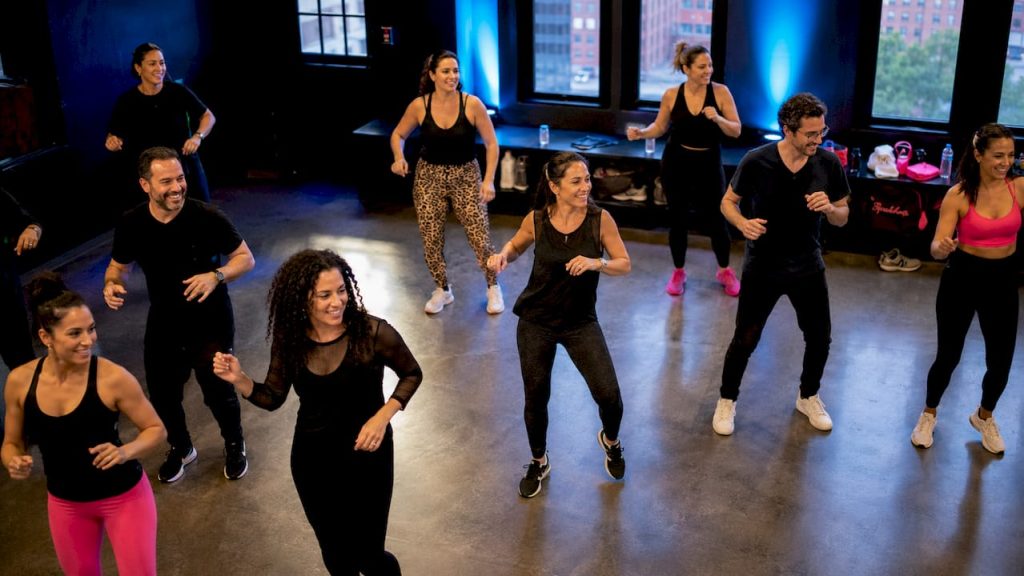
A weeknight dance class benefit is defined as a measurable gain in physical fitness, mental clarity, or social connection that adults achieve by attending structured group dance sessions on weekday evenings. These classes, sometimes called evening group dance sessions in fitness and wellness circles, deliver results that passive rest after work simply cannot match. Studios like Dennis pasamba in Chicago have built entire programs around this insight, offering Salsa, Bachata, Cumbia, and more on weeknights specifically for adults who need a real reset. The research backs it up: 150 minutes of moderate dance weekly meets CDC physical activity guidelines while also improving mood, reducing stress, and building genuine friendships.
What is weeknight dance class benefit for your body?
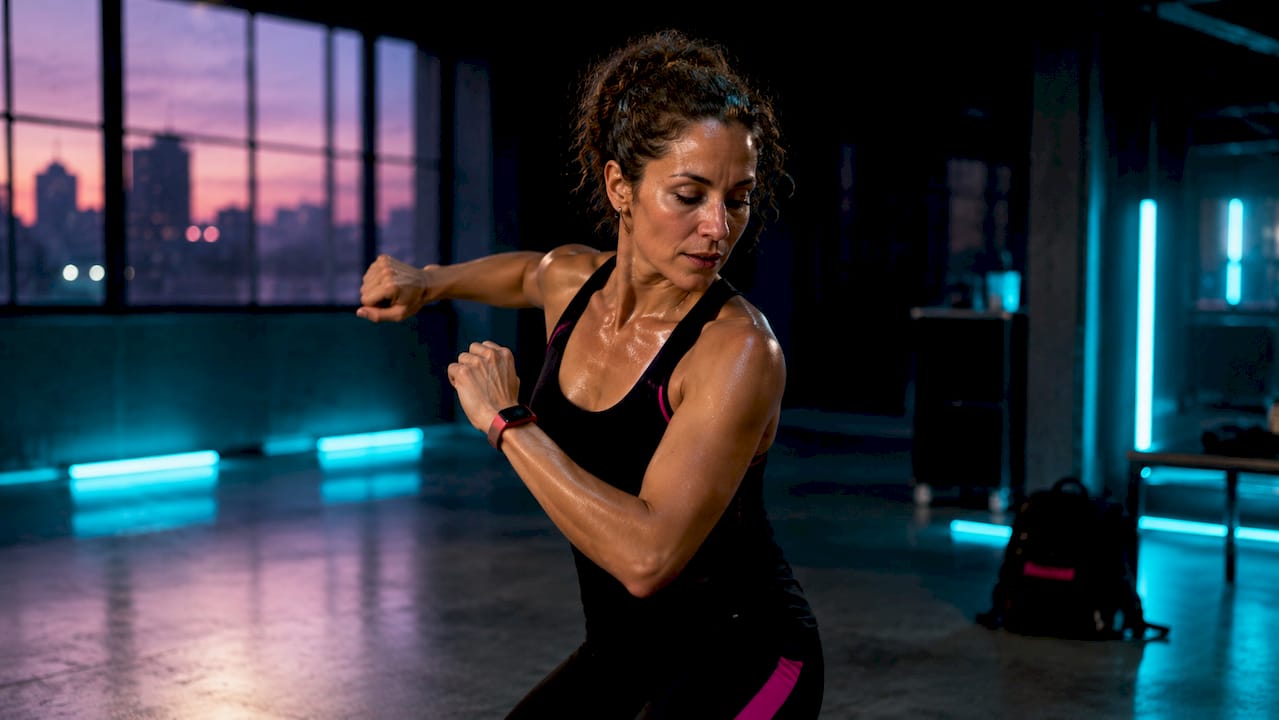
Dance is a full workout. Adults dancing regularly can achieve 150 minutes of moderate or 75 minutes of vigorous physical activity each week, matching the output of running or gym training. That means a few weeknight Salsa or Bachata classes cover your entire weekly exercise requirement without a treadmill in sight.
The timing matters more than most people realize. Your body temperature peaks in the evening, and that warmth increases muscle function and joint flexibility. Evening classes carry a lower injury risk than early morning sessions because your muscles are already loose and responsive. You move better, feel better, and get more out of every class.
Here is how weeknight dance stacks up against other common forms of exercise:
| Activity | Cardiovascular benefit | Flexibility | Social component | Injury risk (evening) |
|---|---|---|---|---|
| Dance class | High | High | High | Low |
| Running | High | Low | Low | Moderate |
| Gym workout | Moderate to high | Moderate | Low | Moderate |
Dance wins on three of four categories. No other single activity combines cardiovascular conditioning, full body movement, and built-in social interaction the way a group dance class does.
Pro Tip: If you are new to exercise, start with Cumbia or Bachata. Both styles use repetitive footwork patterns that build cardiovascular endurance gradually without overwhelming beginners.
What mental and emotional benefits come from evening dance classes?
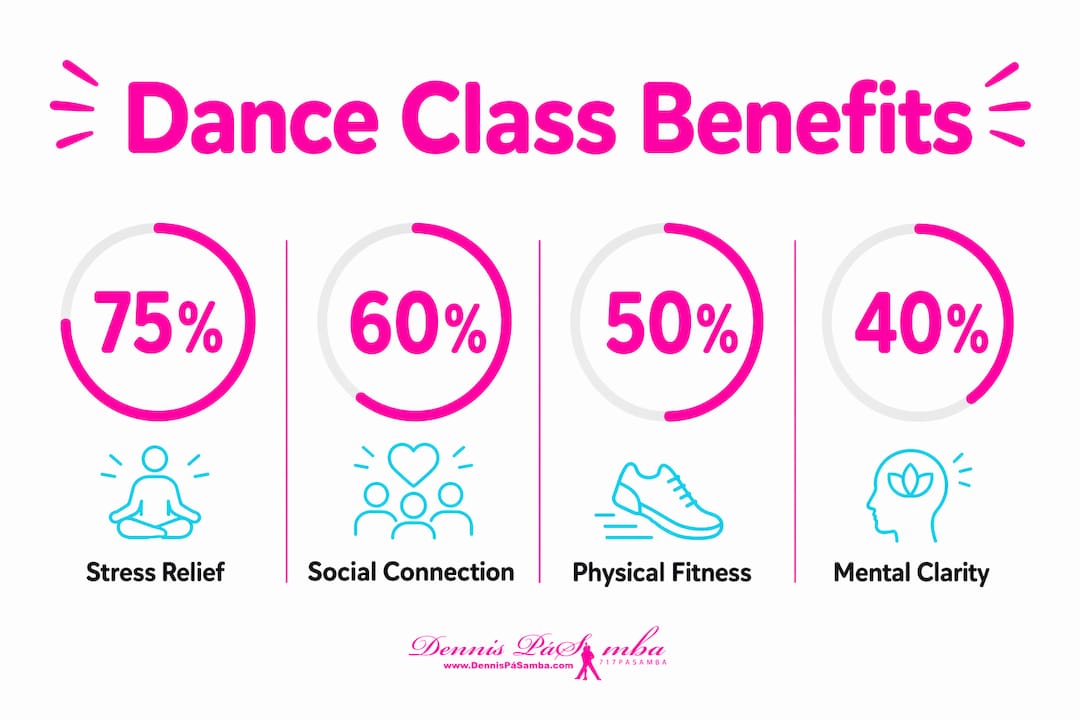
Dance changes your brain chemistry in a direct, measurable way. Research shows that dance increases serotonin activity, giving it an edge over many other exercise forms in treating depression and anxiety. Serotonin is the neurotransmitter most closely linked to stable mood and emotional resilience.
The stress reduction effect is equally strong. 150 minutes of weekly dance lowers cortisol levels, reduces anxiety, and brings down both heart rate and blood pressure. Cortisol is your primary stress hormone, and chronic elevation of it is linked to poor sleep, weight gain, and burnout.
The cognitive gains go beyond mood. After six weeks of structured dance, participants show measurable improvements in:
- Emotional wellbeing: Reduced anxiety and a stronger sense of personal control
- Memory: Better recall linked to learning and retaining movement sequences
- Social cognition: Improved ability to read social cues and respond to others
- Creativity: Mental flexibility that carries over into work and problem solving
“Dance’s unique combination of rhythm, coordination, and social interaction creates a cognitive reset that passive activities like watching TV simply cannot replicate.” — Salsa Kings
The key mechanism is what researchers call integration mode. When you focus on rhythm and footwork, your brain shifts away from the decision fatigue that builds up during a workday. That shift interrupts negative mental loops and gives your prefrontal cortex a genuine rest. You leave class feeling clearer, not just tired.
How do weeknight dance classes build social connections?
Group dance classes solve a problem that most adults face after their mid-twenties: making new friends in a low-pressure setting. The structure of a class removes the awkwardness that comes with unstructured social situations. You have a shared goal, a clear activity, and a reason to interact with everyone in the room.
Partner rotation is the specific mechanism that makes this work. When classes rotate partners every few minutes, no single interaction carries too much weight. Partner rotation reduces social anxiety by structuring contact in short, friendly bursts. Beginners who would freeze in a bar or networking event find themselves laughing and connecting naturally on the dance floor.
Here is a practical way to get the most out of the social side of weeknight classes:
- Arrive five minutes early. Introduce yourself to one person before class starts. That one connection makes the whole room feel smaller.
- Accept every rotation. Declining a partner swap signals discomfort and closes off the easiest social entry point the class offers.
- Stay for the cool-down. Most genuine friendships form in the five minutes after class ends, not during it.
- Attend consistently. Showing up to the same class weekly builds familiarity faster than any single social event.
- Try a Friday social. Studios like Dennis pasamba run Friday night dance socials where class regulars mix with new faces in a relaxed setting.
Pro Tip: Tell the instructor it is your first time. Most teachers will pair you with a patient, experienced dancer for your first rotation, which removes the fear of looking lost.
The community that forms inside a good dance studio is different from a gym crowd. People are there to connect, not to compete. That welcoming environment is one of the clearest evening dance class perks that adults consistently report after their first month.
Why are weeknight classes the right fit for work-life balance?
Passive recovery after work, like scrolling your phone or watching TV, does not actually reset your brain. It keeps you in a low-engagement state that prolongs mental fatigue. Active recovery through dance breaks the work-home mental loop by demanding enough focus to crowd out work thoughts without exhausting you further.
The productivity payoff is real and measurable. Dance improves workplace performance by sharpening cognitive skills and reducing absenteeism. Adults who dance regularly show better focus and lower rates of sick days, even after accounting for general wellbeing. That means your Tuesday Bachata class is not just fun. It is making you better at your job on Wednesday.
| Work-life balance factor | How weeknight dance helps |
|---|---|
| Scheduling | Fixed class times create a reliable weekly structure |
| Mental reset | Rhythm and coordination shift the brain out of work mode |
| Physical energy | Evening body temperature peak improves performance and recovery |
| Social fulfillment | Built-in community replaces the need for separate social planning |
| Motivation | Group setting and music make consistency far easier than solo workouts |
The scheduling structure is underrated. When you commit to a Tuesday or Thursday class, you create a boundary between work and personal time. That boundary is something most adults struggle to build on their own. A fixed class time does it automatically.
Key takeaways
Weeknight dance classes deliver physical fitness, mental recovery, and social connection in a single weekly commitment that passive rest or solo workouts cannot replicate.
| Point | Details |
|---|---|
| Meets exercise guidelines | A few weekly dance sessions cover the CDC’s 150-minute moderate activity recommendation. |
| Reduces stress hormones | Regular dance lowers cortisol, anxiety, heart rate, and blood pressure measurably. |
| Builds social connections | Partner rotation creates low-pressure interaction that forms real friendships over time. |
| Boosts workplace performance | Dancers show improved focus and fewer sick days compared to non-dancers. |
| Evening timing is an advantage | Body temperature peaks at night, making evening classes safer and more effective physically. |
What 33 years of teaching weeknight classes taught me
After more than three decades on the floor at Dennis pasamba, I have watched the same pattern repeat with nearly every adult beginner who walks through the door. They arrive thinking they are there to learn steps. They leave realizing they came for something else entirely.
The biggest mistake adults make is treating a dance class like a chore to check off. The moment you reframe it as active recovery rather than another obligation, everything changes. Your body relaxes. You absorb the music. You stop grading yourself.
The social environment surprises people most. Adults expect judgment. What they find is a room full of people who are equally nervous, equally excited, and equally willing to laugh at themselves. That shared vulnerability is what turns strangers into regulars within a few weeks.
My honest advice: do not wait until you feel ready. Nobody feels ready. The adults who get the most out of weeknight classes are the ones who show up before they feel confident, not after. The confidence comes from the class itself. You cannot get it any other way.
— Dennis pasamba
Evening dance classes at Dennis pasamba in Chicago
Dennis pasamba has earned a 5-star rating from over 850 Google reviewers, and the weeknight class schedule is built specifically for adults who work full-time.
Whether you are drawn to Salsa, Bachata, or Cumbia, the adult beginner evening classes at Dennis pasamba are designed for real beginners with no partner required. Expert instruction from a coach with 33 years of experience, a welcoming community, and a structured schedule make it easy to show up consistently. If you want to compare styles before committing, the Latin dance workout comparison breaks down Salsa, Bachata, Cumbia, and more by fitness intensity and learning curve. No experience needed. Singles and couples are both welcome.
FAQ
What is the main benefit of a weeknight dance class?
The primary benefit is a combination of physical exercise, stress reduction, and social connection in a single session. Adults who attend regularly meet weekly activity guidelines while also lowering cortisol and building friendships.
Do I need a partner to join an evening dance class?
No partner is needed. Studios like Dennis pasamba structure classes with partner rotation, so you meet and dance with multiple people throughout each session.
How quickly do you see results from weeknight dance classes?
Research shows that structured dance over six weeks produces measurable improvements in emotional wellbeing, memory, and social cognition. Most adults report feeling less stressed after just two or three sessions.
Are evening dance classes better than morning workouts?
For physical performance, evening classes have an edge. Body temperature peaks later in the day, which improves muscle function and reduces injury risk compared to early morning exercise.
Which dance style is best for beginners on a weeknight?
Bachata and Cumbia are the most beginner-friendly Latin styles. Both use repetitive patterns that build confidence quickly, and both are offered in weeknight group classes at Dennis pasamba in Chicago.