
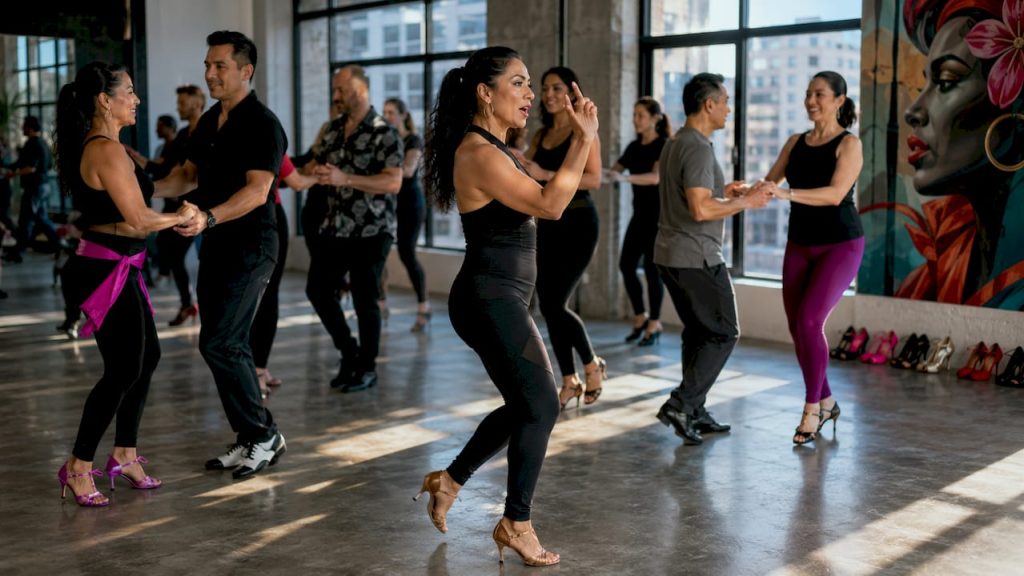
Adults learn dance differently because their brains, bodies, and motivations are fundamentally unlike those of children, requiring a completely separate instructional approach. This concept is known in adult education as andragogy, the practice of teaching adult learners, and it stands in direct contrast to pedagogy, which is designed for children. Understanding why adults dance differently is the first step toward realistic expectations, faster progress, and genuine enjoyment. At Dennis pasamba, Chicago’s top-rated Latin dance studio with over 850 five-star reviews, these differences shape every class we teach.
Why adults learn dance differently than children
Adults process new movement through analytical thinking, not pure imitation. Children watch and copy. Adults ask why. That single difference changes everything about how a dance class should be structured.
Adult learners benefit most when instruction connects movement to context. Telling an adult “step on beat one because the clave pattern anchors the phrase” works far better than simply repeating the step until it sticks. Research confirms that adult learners benefit when instruction matches visual, auditory, and kinesthetic learning modes simultaneously. That means showing the move, explaining the rhythm, and letting the body feel it, all in the same sequence.
The andragogy model, developed by educator Malcolm Knowles, identifies six core principles for adult learners: self-concept, prior experience, readiness to learn, problem orientation, internal motivation, and need to know. Every one of these applies directly to adult dance education. Adults want to know why a move matters before they practice it. They connect new steps to prior physical experiences, like sports, yoga, or walking rhythms. They are internally motivated by social connection, fitness, or personal challenge, not external grades.
- Adults learn faster when given the “why” behind each movement
- Multiple modalities (visual demonstration, verbal cues, physical practice) work together
- Short explanations followed by immediate movement outperform long lectures
- Peer interaction and group feedback accelerate skill retention
Pro Tip: If you are taking a Salsa or Bachata class, ask your instructor to name the beat count out loud while demonstrating. Connecting the visual to the rhythm locks in muscle memory twice as fast.
What physical and psychological challenges do adult dancers face?
Adult beginners face a predictable set of hurdles that children simply do not encounter. Knowing these in advance removes the surprise and keeps you moving forward.
The six-week awkward phase is universal
Most adult beginners require about six weeks of consistent attendance before they feel comfortable with basic class flow, terminology, and rhythm. That same research notes it takes roughly six months before most adults can confidently assist newer students. This timeline is not a sign of failure. It is the standard learning curve for adult bodies building new motor pathways.
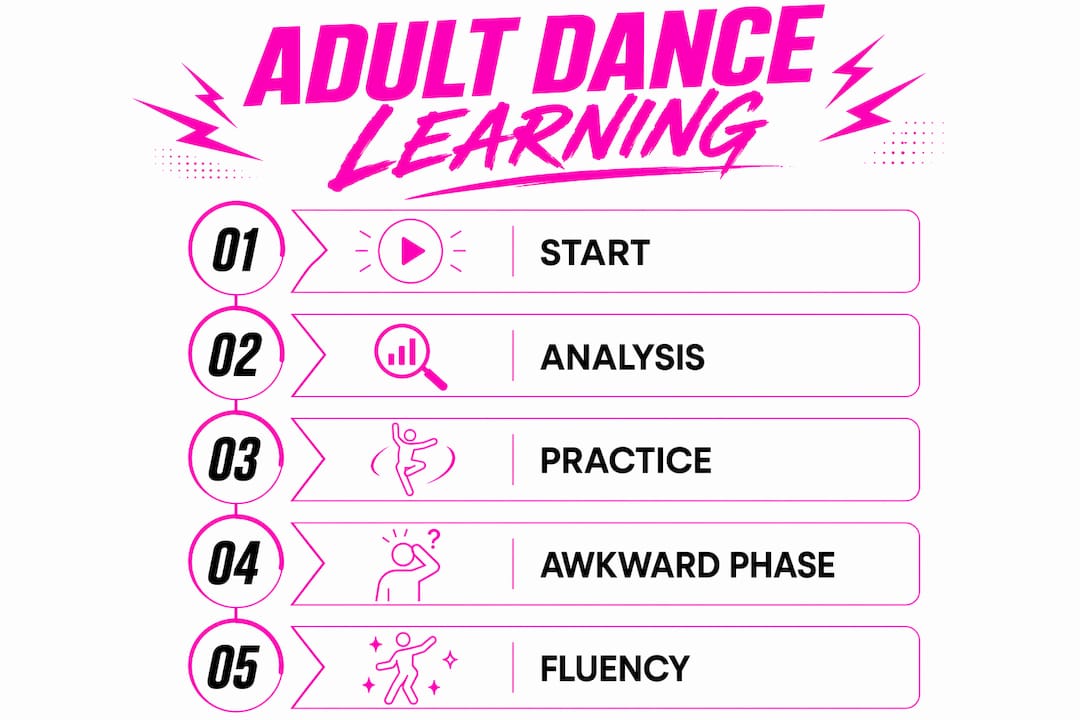
The first six weeks feel awkward because adults are processing terminology, spatial awareness, rhythm, and social dynamics all at once. Children absorb these layers unconsciously. Adults must consciously integrate each one. Recognizing this universal plateau in early learning is one of the most effective tools for reducing dropout rates.
The most common psychological barriers
- Comparing yourself to professionals. Watching polished performers on social media and measuring your week-three Cumbia against their decade of training is a guaranteed motivation killer.
- Waiting to “earn” enjoyment. Adult learners frequently wait to feel skilled before allowing themselves to enjoy dancing. This mindset delays both progress and satisfaction.
- Over-intellectualizing movement. Adults tend to think through every step rather than letting the body lead. This creates hesitation and stiffness.
- Fear of judgment. Adults carry social self-awareness that children do not. A supportive class environment directly counters this barrier.
“Enjoyment should begin from the first class, regardless of skill level. Progress follows joy, not the other way around.”
Physical constraints also play a real role. Adults have established muscle memory from years of habitual movement, sitting at desks, driving, or repetitive work postures. Flexibility and joint mobility differ significantly from a child’s body. These are not permanent barriers. They are starting points that respond well to consistent, targeted movement.
How should instructors teach adult dance students?
The most effective adult dance education methods share three qualities: they are movement-rich, feedback-driven, and learner-centered. Instructors who lecture heavily about anatomy or technique theory before letting students move are working against how adult bodies actually learn.
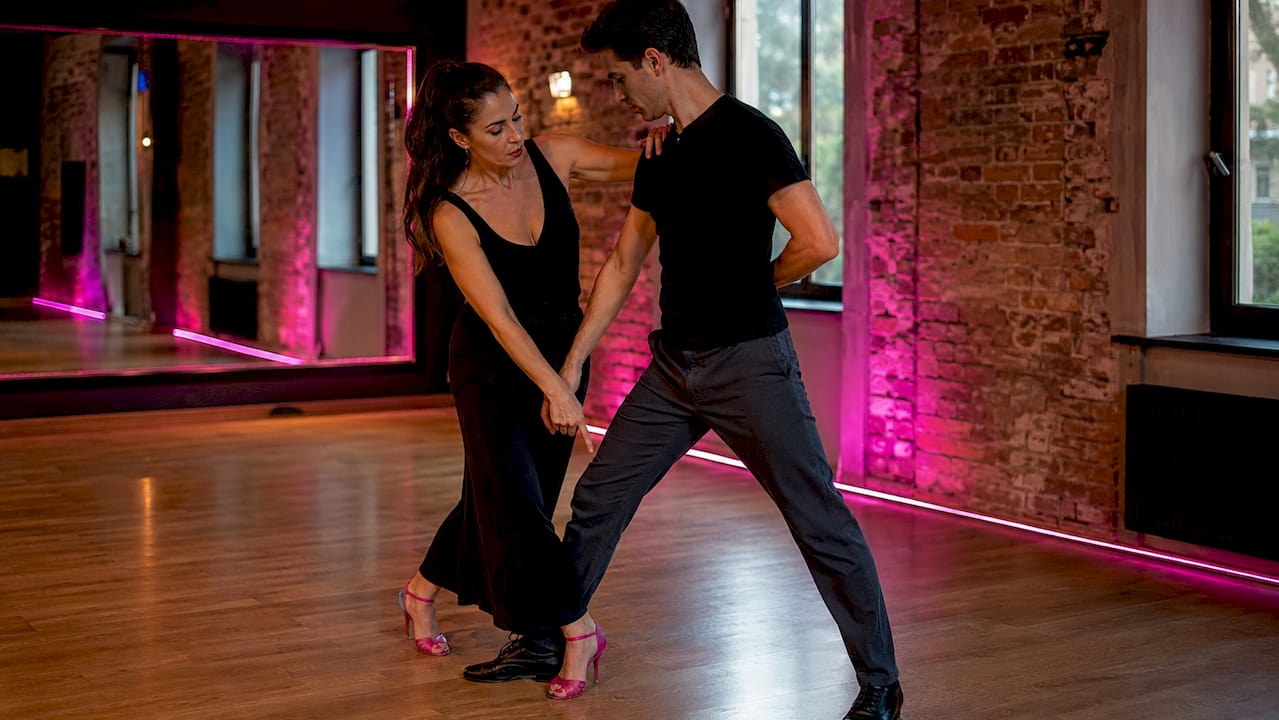
Research on the PCA instructional model (Parts, Combination, Application) shows that structured adult instruction scored over 90% efficiency for adult learners, exceeding standard benchmarks. The model breaks a dance sequence into individual parts, combines them progressively, then applies the full phrase in context. This mirrors how adults naturally build understanding: from components to the whole picture.
Systematic reviews through 2026 confirm that learner-centered pedagogy outperforms traditional teacher-centered methods for adults. Autonomy support, peer interaction, and immediate feedback are the three pillars that drive retention and confidence.
Pro Tip: Ask your instructor for one specific correction per class, not five. Adults retain targeted feedback far better than a list of adjustments delivered all at once.
Instructional best practices at a glance
| Teaching Approach | Why It Works for Adults |
|---|---|
| Short verbal cues + immediate movement | Prevents over-analysis and builds physical memory faster |
| Imagery-based instruction | Connects abstract movement to familiar sensations |
| Peer practice and social repetition | Reinforces learning through real-time feedback |
| Progress markers at 6 weeks and 6 months | Sets realistic expectations and sustains motivation |
| Learner-centered autonomy | Adults stay engaged when they have input in their learning path |
Anatomical lectures often hinder progress for adult beginners. The body learns dance by doing it, not by hearing about it. The best instructors at studios like Dennis pasamba keep explanations under 60 seconds and spend the rest of class time in motion.
You can also explore common beginner mistakes to understand what to avoid before your first class.
Dance technique classes vs. dance fitness: what is the difference?
Adults must clearly distinguish between dance technique and dance fitness to choose the right class for their goals. These two formats serve different purposes and produce different outcomes.
Dance technique classes, such as Salsa, Bachata, Tango, or Ballroom, focus on skill mastery, musicality, and artistic expression. Progress is measured by coordination, timing, and connection with a partner or the music. The learning curve is steeper, the commitment is higher, and the reward is a transferable skill you carry for life.
Dance fitness programs, such as Zumba or cardio dance, prioritize cardiovascular exercise and fun. The goal is movement and energy, not technical precision. Repetition of choreography serves the workout, not the skill set.
| Category | Dance Technique | Dance Fitness |
|---|---|---|
| Primary goal | Skill mastery and expression | Cardio and muscle conditioning |
| Learning curve | Moderate to steep | Gentle |
| Class structure | Progressive, skill-building | Routine-based, high energy |
| Community dynamic | Partner-focused, social | Group energy, individual effort |
| Long-term outcome | Transferable dance skill | Fitness habit |
Choosing the wrong format is one of the most common reasons adults feel frustrated early on. If you want to actually dance at a wedding, a social, or a Latin night out, technique classes are the path. If you want a fun workout with music, fitness formats deliver that well. Understanding this difference is part of adult dance education methods that actually work.
Key takeaways
Adults learn dance differently because their analytical minds, established muscle memory, and internal motivations require a tailored instructional approach built on context, movement, and realistic progress timelines.
| Point | Details |
|---|---|
| Andragogy drives adult learning | Adults need context and “why” before movement, unlike children who learn by imitation. |
| Six-week awkward phase is normal | Expect discomfort in the first six weeks; it is a universal and temporary learning plateau. |
| Enjoyment comes first | Waiting to feel skilled before enjoying class delays both motivation and progress. |
| PCA model outperforms lectures | Structured instruction breaking moves into parts, combinations, and application exceeds 90% efficiency. |
| Technique and fitness serve different goals | Choosing the right class format aligns expectations and produces better outcomes for adult learners. |
What 33 years of teaching adults has taught me
After more than three decades coaching adults in Salsa, Bachata, Cumbia, and Ballroom at Dennis pasamba, the single biggest insight I can share is this: adults are not slower learners. They are more self-aware learners. That self-awareness is a strength when it is directed correctly, and a barrier when it is not.
The adults who progress fastest are not the most naturally coordinated. They are the ones who stop waiting for permission to enjoy themselves. They show up, they move, they laugh at the stumbles, and they come back the following week. Consistency beats talent every single time at the adult level.
What I have also seen is that adults bring something children cannot: genuine motivation. A 35-year-old learning Bachata for a wedding, a social life, or personal confidence is deeply invested in a way that a child in a required class simply is not. That motivation, when paired with the right instructional approach, produces real results faster than most adults expect.
The uncomfortable truth is that most adults quit during the awkward phase because no one told them it was coming. When you know the first six weeks will feel clumsy, you stop interpreting that clumsiness as failure. You recognize it as the process. That reframe alone keeps more students in class than any technique tip I could offer.
My advice: start before you feel ready, enjoy the class before you feel skilled, and trust that your adult brain will connect the dots faster than you think.
— Dennis pasamba
Start your dance journey at dennis pasamba
If this article resonated with you, the next step is simple. Dennis pasamba offers adult beginner evening classes in Salsa, Bachata, Cumbia, and more, designed specifically around how adults learn best. No partner needed. No experience required. Just show up ready to move.
Our instructors apply the same learner-centered, movement-first methods described in this article. Classes are welcoming, energetic, and built for adults aged 21 and up. Whether you want to dance at a social event, meet new people, or simply try something new, we have a class that fits. Use our studio selection checklist to find the right fit before you book. With 850+ five-star reviews and 33 years of experience, Dennis pasamba is Chicago’s most trusted name in adult Latin dance.
FAQ
Why do adults struggle more with dance than children?
Adults have established movement habits and analytical thinking patterns that require conscious reprogramming. Children learn by imitation; adults must integrate context, rhythm, and coordination simultaneously, which takes more deliberate effort.
How long does it take an adult to learn basic dance moves?
Most adult beginners feel comfortable with basic class flow and terminology after about six weeks of consistent attendance. Confident, social-level dancing typically develops within six months.
What is the best adult dance education method?
The PCA instructional model (Parts, Combination, Application) combined with learner-centered, movement-rich instruction produces the highest efficiency scores for adult learners. Short cues, immediate movement, and peer feedback outperform lecture-heavy approaches.
Should adults choose technique classes or dance fitness?
Adults who want a transferable social skill should choose technique classes like Salsa or Bachata. Adults focused on cardio and fun without a technical learning curve are better served by dance fitness formats.
Does mindset affect how quickly adults learn dance?
Yes, significantly. Adults who allow themselves to enjoy class from day one progress faster than those waiting to feel skilled first. Reframing enjoyment as the goal, rather than a reward for competence, is one of the most effective motivational shifts an adult dancer can make.