
Should You Wear Running Shoes to Your Salsa Class in Portage Park?
Running shoes are designed to grip outdoor pavement and indoor gym tracks. That strong rubber tread stops you from slipping when you run forward. However, salsa dancing requires spinning, pivoting, and gliding across a smooth floor. When you try to turn in high-traction running shoes, the rubber grips the floor while your body rotates. This resistance sends twisting force straight into your ankles and knees, which can cause discomfort or injury over time.
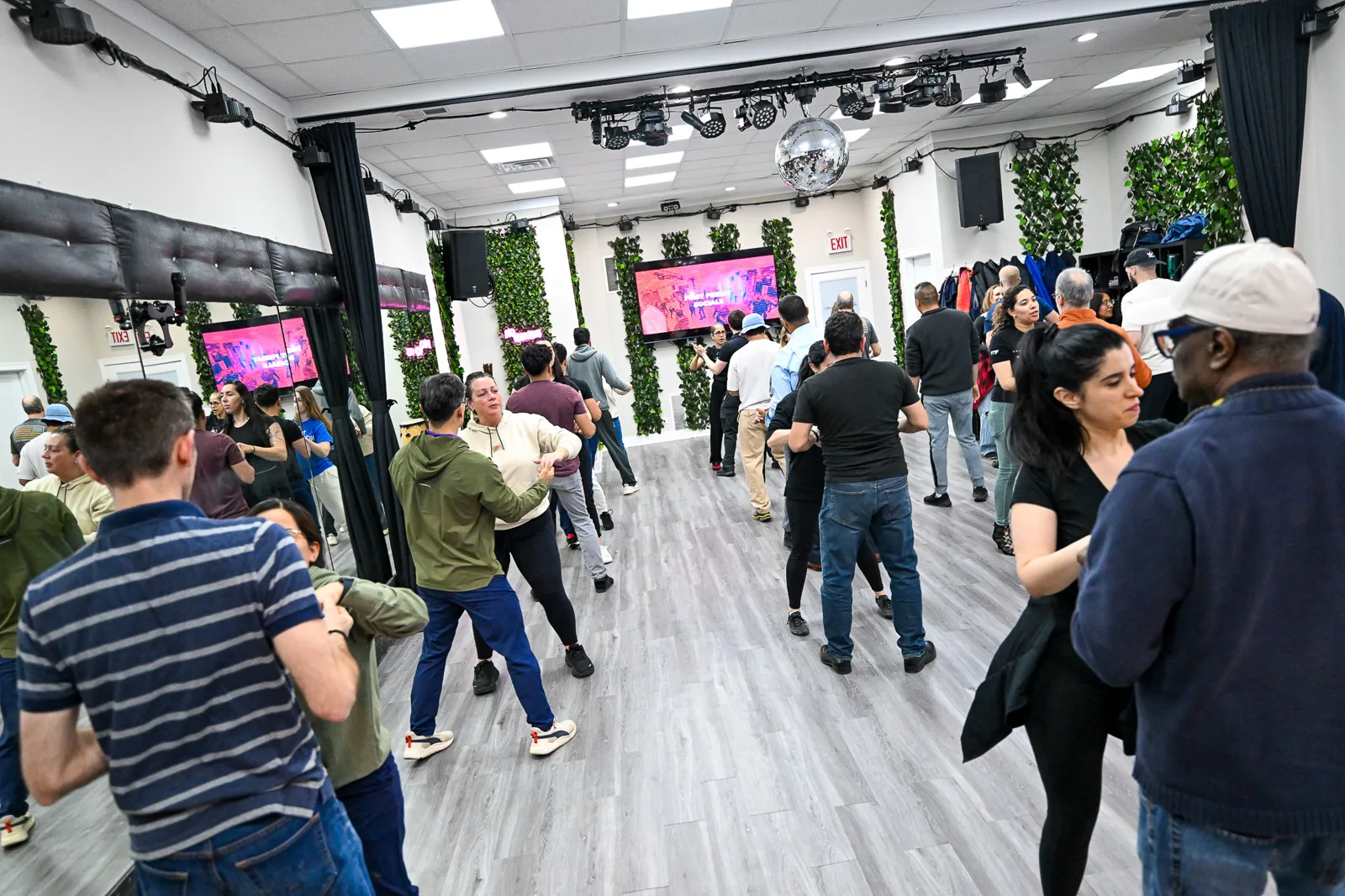
If you only have running shoes for your very first beginner class at Dennis PaSamba Dance Company, you can still participate. You can step carefully and focus on basic footwork without taking full spins right away. Our studio is located at 4820 W. Irving Park Rd. in Chicago with free parking nearby. We welcome absolute beginners regardless of their initial gear. However, switching to better footwear early in your salsa journey will make learning much easier.
A better quick alternative to running shoes is a pair of casual street sneakers with smooth rubber soles. Look for lifestyle sneakers that have flat bottoms without deep athletic treads or thick running cushions. Shoes like classic canvas flats or simple skate sneakers stick less to the floor than thick running shoes. They allow you to practice basic salsa timing and side steps in our Irving Park studio without catching heavily on the floor.
You can also check your closet for smooth-soled dress shoes or loafers with leather or hard plastic bottoms. Leather soles slide naturally across hardwood dance floors, making turns smooth and effortless. For followers and leaders alike, a thin-soled dress shoe provides great feedback from the floor. Just ensure the shoe stays securely attached to your heel so it does not slip off while you step to the salsa rhythm.
Another budget-friendly option for salsa beginners is using specialized dance socks or dance bands over your running shoes. These elastic fabric sleeves slide over the front portion of your sneaker. By covering the sticky rubber tread with smooth fabric, you reduce floor traction instantly. This simple trick lets you pivot safely without buying expensive suede-soled salsa shoes right away. It keeps your knees safe while you build your basic skills.
Eventually, as you continue attending salsa classes in Portage Park, investing in proper dance shoes is a smart choice. Real salsa shoes feature soft suede or smooth leather soles that offer the ideal balance of slide and traction. They are lightweight, flexible, and designed to support your feet through spins and turns. Proper dance shoes allow you to dance longer without feeling fatigue in your feet or legs.
When preparing for your visit to Dennis PaSamba Dance Company at Six Corners, bring a secondary pair of shoes to change into. Wearing outdoor street shoes into the studio brings in dirt, grit, and moisture that can ruin dance floors. Changing into clean footwear inside the studio protects the floor and gives you a better surface for dancing. Text 717-PaSamba to learn more about our upcoming class schedule and location details.
Questions people ask
What happens if I wear running shoes to my first salsa lesson?
You can still join the class and practice basic steps. However, the heavy rubber grip might stick to the floor during turns, so avoid fast spins to protect your knees.
What is the best shoe to wear if I do not own dance shoes?
A smooth-soled street shoe, flat canvas sneaker, or leather-bottomed dress shoe works great for beginners. You can also slip dance socks over regular sneakers to slide easily.
How do I get more information about salsa classes in Irving Park?
You can text or call 717-PaSamba (717-727-2622) for current class details. Our studio is located at 4820 W. Irving Park Rd. in Chicago, near Portage Park, with free parking available.
Visit the studio
Dennis PaSamba Dance Company
4820 W. Irving Park Rd., Chicago, IL 60641
Six Corners · Portage Park · Irving Park
dennispasamba.com · Text/Call 717-PASAMBA ((717) 727-2622)