
How Does Learning Dance Steps Build Better Multitasking Skills In Your Brain?
Learning to dance forces your brain to execute multiple complex operations simultaneously. You have to listen to the rhythm, remember specific step patterns, and maintain balance on the studio floor. As you process auditory signals and convert them into physical movement, your brain builds new neural pathways. This mental coordination trains your mind to handle several incoming streams of information at the same time without feeling overwhelmed or losing focus during daily activities.
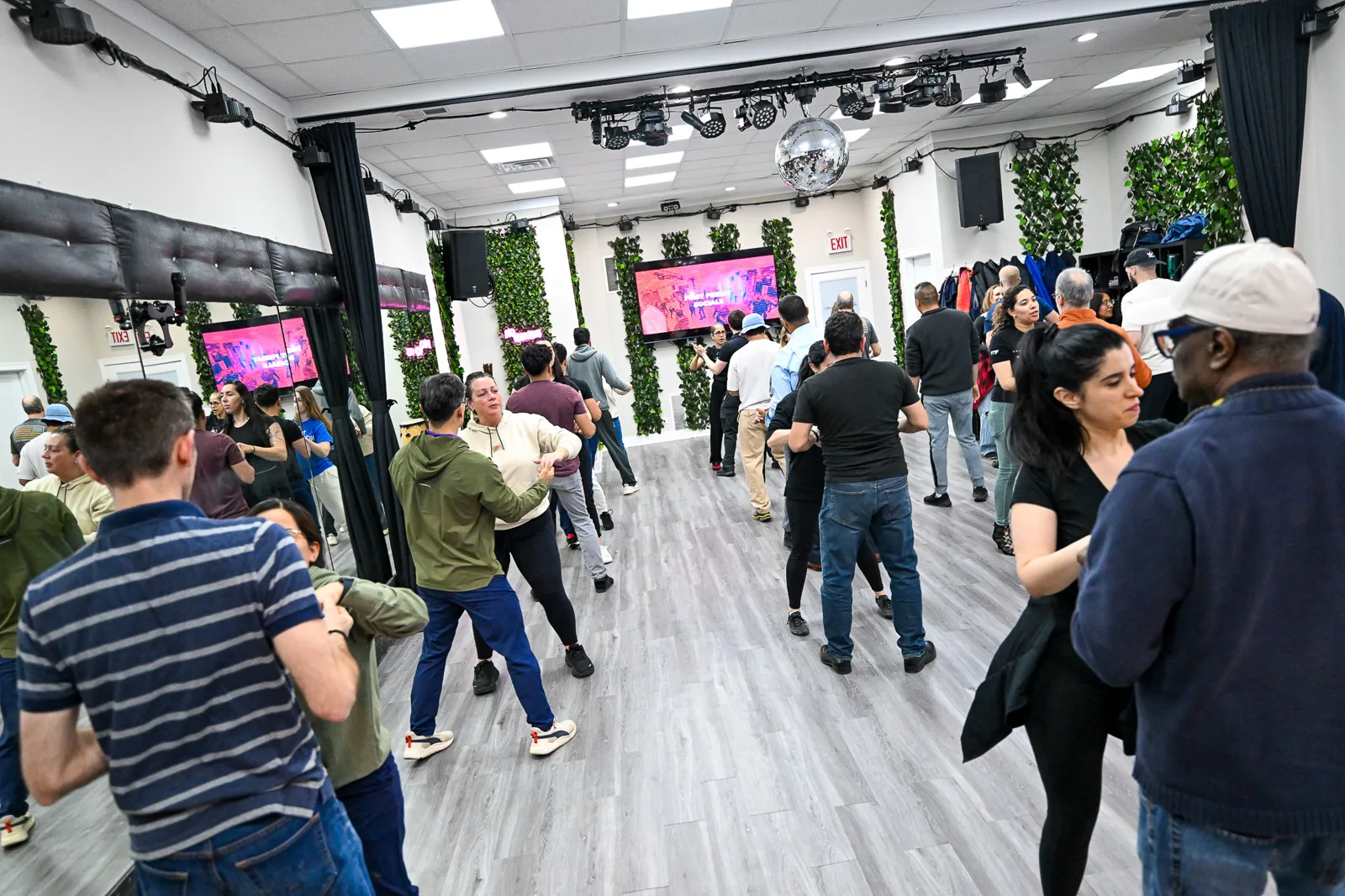
When you take dance lessons at Dennis PaSamba Dance Company in Chicago, your brain constantly practices spatial awareness alongside body control. You must watch your partner, avoid other dancers, and execute clean footwork all at the exact same moment. This intense focus stimulates the premotor cortex and cerebellum. Over time, managing these simultaneous sensory inputs makes switching between everyday work tasks feel smoother, quicker, and far less stressful for your mind.
Memory retention plays a massive role in how dance enhances brain function and multitasking ability. To complete a dance routine, you need working memory to recall the next step while executing your current move. Your brain learns to store short-term patterns while actively monitoring your physical balance and timing. This practice strengthens executive functioning, which is the mental system responsible for organizing thoughts, prioritizing actions, and managing daily split-second decisions efficiently.
Rhythm and music add another layer of cognitive challenge during dance practice. Your brain must calculate timing intervals while coordinating muscle movements to match the beat. This exercise links the auditory cortex directly to the motor control centers in your brain. By constantly synchronizing what you hear with how you move, your brain gets better at processing complex environmental cues while continuing to perform physical or mental tasks seamlessly throughout your day.
Physical movement combined with mental problem-solving creates a unique brain state during dance training. Unlike simple repetitive exercises, dancing requires active cognitive engagement during every single step. You must adapt instantly if you make a mistake or if your partner moves unexpectedly. This constant real-time adaptability trains your brain to stay flexible, enabling you to shift focus quickly between different projects at work or home without losing momentum.
Social interaction in a studio setting adds yet another dimension to cognitive multitasking while dancing. You must communicate non-verbally with a partner, listen to instructor guidance, and stay aware of your surroundings. At our studio located at 4820 W. Irving Park Rd., dancers practice these combined skills in a supportive, fun environment. Text 717-PaSamba to learn more about how our fun dance classes can challenge your mind and body.
Long-term dance training helps maintain cognitive flexibility as you age. By challenging your brain to master complex footwork, hold balance, and follow music, you encourage neuroplasticity. This means your brain remains adaptable and capable of building new connections. The enhanced multitasking abilities you gain on the dance floor naturally carry over into your daily routine, helping you process information faster and keep your mind sharp for years to come.
Questions people ask
How quickly can dance practice improve my brain's multitasking ability?
You can start feeling mental benefits after just a few consistent dance sessions. As your brain adapts to learning new steps and matching music, your focus improves. Regular weekly practice builds strong neural connections that enhance your everyday multitasking skills over time.
Do I need prior dance experience to get cognitive brain benefits?
No prior experience is necessary to boost your brain power through dance. In fact, learning something completely new creates powerful new neural pathways faster. Beginners get a wonderful mental workout as they learn to coordinate basic steps, rhythm, and spatial awareness.
How do I get started with classes at Dennis PaSamba Dance Company?
Getting started is simple and convenient for everyone. Visit us at 4820 W. Irving Park Rd. in Chicago's Irving Park and Six Corners area, where we offer free parking. Text or call 717-PaSamba for details on joining a class today.
Visit the studio
Dennis PaSamba Dance Company
4820 W. Irving Park Rd., Chicago, IL 60641
Six Corners · Portage Park · Irving Park
dennispasamba.com · Text/Call 717-PASAMBA ((717) 727-2622)