
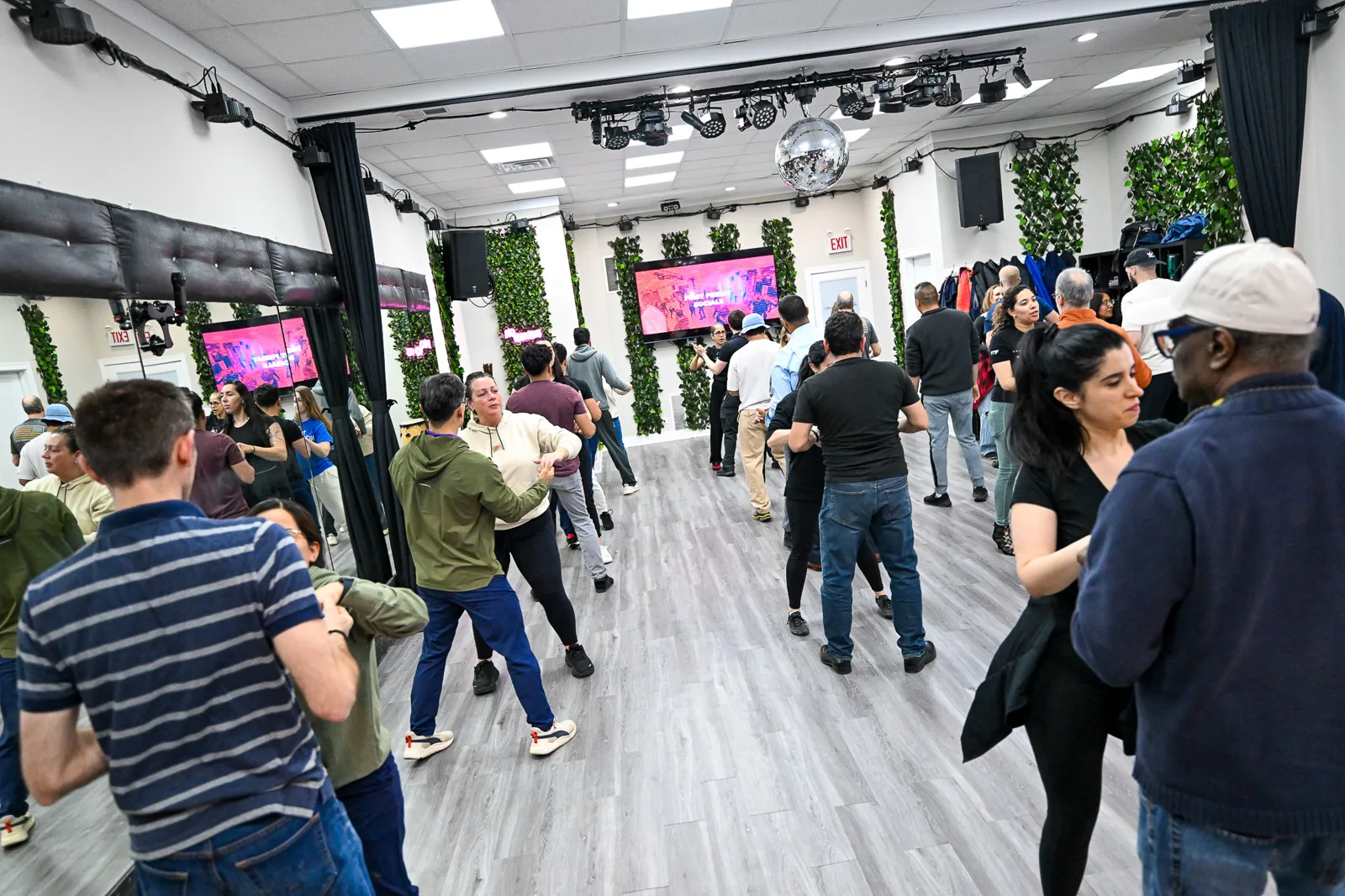
How Does Partner Dancing Improve Memory and Boost Brain Health?
When you learn partner dancing, your brain works hard to recall complex patterns and steps. You must remember footwork sequences, timing, and physical signals while staying in sync with music. This constant recall challenges your short-term and long-term memory systems. Over time, practicing these patterns strengthens neural connections in your brain. This mental exercise helps keep your mind sharp and agile as you learn new routines and rhythms.
Partner dancing requires rapid, real-time decision making on the dance floor. Leaders must constantly choose the next move based on space and rhythm, while followers react quickly to subtle physical cues. This active, dynamic thinking forces the brain to create new neural pathways, a process known as neuroplasticity. By continuously adapting to unexpected movements, your brain stays flexible, responsive, and engaged throughout the entire dance session.
Navigating a dance floor with a partner demands high spatial awareness and sensory integration. Your brain must process auditory cues from the music, visual information about your surroundings, and tactile feedback from your partner simultaneously. Managing all these sensory inputs forces your cerebellum and cerebral cortex to work together. This deep coordination challenges your cognitive processing speed and improves your ability to multitask efficiently in daily life.
Physical movement combined with social interaction reduces stress and lowers cortisol levels. High stress can negatively impact memory and overall brain health over time. Partner dancing releases feel-good endorphins that clear mental fog and enhance mood. Studies show that regular cognitive and physical stimulation, like social dancing, can help delay age-related cognitive decline and keep your brain feeling youthful and energized.
Holding your posture, keeping rhythm, and communicating without speaking demands focused attention. This practice enhances your executive function, which controls planning, focus, and self-control. When you focus intensely on coordinating your body with another person, you give your brain a complete workout. Regular social dancing builds sustained attention skills that help you stay mentally focused both on and off the dance floor.
Human connection is an essential part of brain health. Partner dancing provides a rich social environment where you connect with different people through shared movement. Interacting socially while exercising activates regions of the brain responsible for emotional regulation and social cognition. This combination of physical activity, mental puzzle-solving, and social bonding gives your brain a uniquely comprehensive workout that few other activities offer.
At Dennis PaSamba Dance Company, we welcome dancers of all skill levels to challenge their minds and bodies. Located at 4820 W. Irving Park Rd. in Chicago's Six Corners area of Irving Park, we offer free parking for your convenience. Experience the cognitive benefits of dance in a friendly, supportive environment. Text or call 717-PaSamba for details on joining our next dance session.
Questions people ask
Why is partner dancing better for memory than solo exercise?
Partner dancing requires real-time reactions, spatial coordination, and physical connection with another person. Unlike repetitive solo exercises, you must recall steps and adapt to unpredictable leads or follows. This extra layer of social and physical problem-solving gives your brain a much stronger memory workout.
Do beginners get cognitive benefits from dance classes?
Yes, beginners often experience significant cognitive benefits because everything is new. Learning basic steps, understanding rhythms, and coordinating with a partner forces the brain to build fresh neural connections quickly. Every new move you attempt challenges your memory and mental focus.
How often should I practice partner dancing for brain health?
Practicing once or twice a week provides regular mental and physical stimulation for your brain. Consistency helps reinforce memory patterns and keeps your cognitive processing sharp. Text or call 717-PaSamba to ask about our schedule and start your journey.
Visit the studio
Dennis PaSamba Dance Company
4820 W. Irving Park Rd., Chicago, IL 60641
Six Corners · Portage Park · Irving Park
dennispasamba.com · Text/Call 717-PASAMBA ((717) 727-2622)