
How Can You Memorize Complex Dance Routines Without Stress?
Start by breaking the routine into small, manageable chunks instead of trying to learn everything at once. Focus on mastering just one four-beat or eight-beat section before moving forward. Once you feel comfortable with the first block, add the next short section. This process prevents your brain from feeling overloaded by information. Step-by-step learning makes long routines feel much smaller and far easier to handle during practice.
Connect your physical movements deeply to specific cues in the music. Listen to the song repeatedly until you recognize every beat, change in rhythm, and vocal note. When your body pairs a specific movement with a distinct musical change, memory becomes automatic. You will no longer rely on conscious thought to recall what comes next. The music itself will trigger your natural physical response smoothly during the dance.
Use descriptive names or vocal cues for each movement in the combination. Giving a name to a specific turn, step, or hip roll helps your brain categorize the dance pattern quickly. Say these verbal cues out loud while you mark through the steps slowly. Verbalizing the actions reinforces your memory through multiple senses. It builds a clear mental map that you can call upon whenever you practice.
Practice marking the choreography slowly before trying to execute it at full speed or full energy. Marking means executing the footwork and direction changes with light physical effort. This allows your mind to trace the movement path without getting physically tired. Lowering the physical intensity reduces overall stress and lets you focus entirely on spatial awareness and timing. Slow practice always leads to faster, accurate recall later.
Separate the footwork from the upper body styling during your initial learning phase. Try practicing just the feet until the steps feel automatic under your weight. Once your feet know where to travel, add the arm movements, head turns, and body isolations. Isolating different body parts keeps your brain focused on one task at a time. Layering elements gradually builds total confidence in long routines without creating confusion.
Pay extra attention to the transition moves between major sections of the dance sequence. Most memory lapses happen during the brief moments when one combination ends and another begins. Practice repeating the last two counts of one section along with the first two counts of the next section. Smooth transitions create a continuous flow in your mind. This eliminates hesitation and keeps your dance moving forward effortlessly.
Use mental visualization techniques when you are away from the dance studio floor. Sit quietly, close your eyes, and play the music while vividly imagining yourself executing every detail perfectly. Mental rehearsal strengthens neural pathways in the brain just like physical practice does. Visualizing your performance builds deep familiarity with the sequence. It gives you quiet confidence whenever you step onto the floor to dance.
Questions people ask
What should I do if I forget the next step during a long routine?
Do not panic or stop moving completely if you miss a step. Keep your body moving in rhythm with the music and look for a clear transition point to rejoin the sequence. Taking a deep breath helps reset your mind so you can pick up the next section smoothly.
How long does it usually take to build strong muscle memory for dance?
Building muscle memory varies for every person depending on practice frequency and routine length. Most dancers notice significant improvements after repeating a sequence consistently across several practice sessions over a few days. Frequent short practice sessions are much more effective for memory than one long session.
Where can I practice dance choreography in Chicago with supportive instructors?
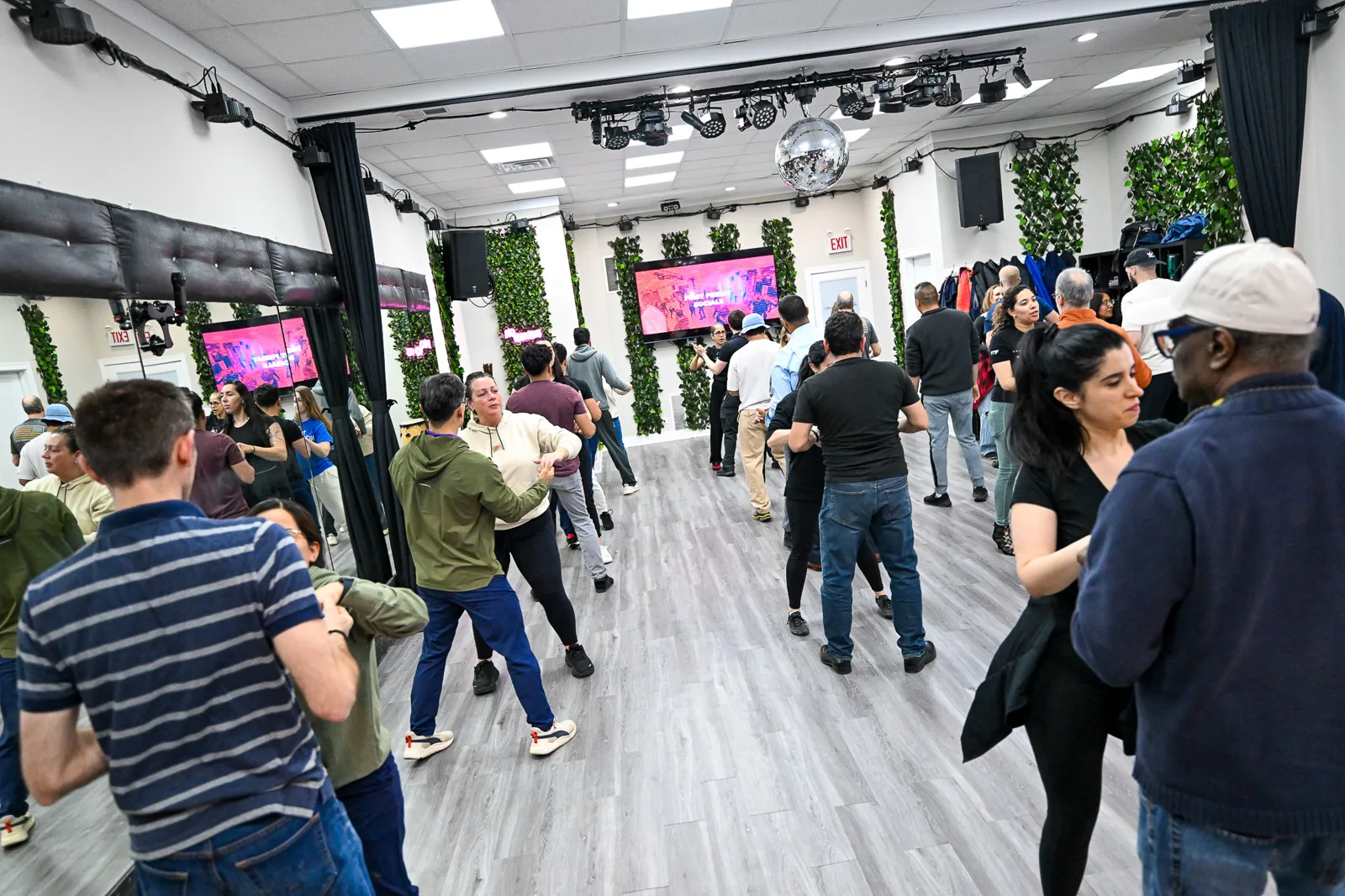
You can practice at Dennis PaSamba Dance Company located at 4820 W. Irving Park Rd. in Chicago's Irving Park neighborhood at Six Corners. We offer free parking and a friendly studio environment to build your skills without stress. Text or call 717-PaSamba to ask about our current schedule and get details.
Visit the studio
Dennis PaSamba Dance Company
4820 W. Irving Park Rd., Chicago, IL 60641
Six Corners · Portage Park · Irving Park
dennispasamba.com · Text/Call 717-PASAMBA ((717) 727-2622)