
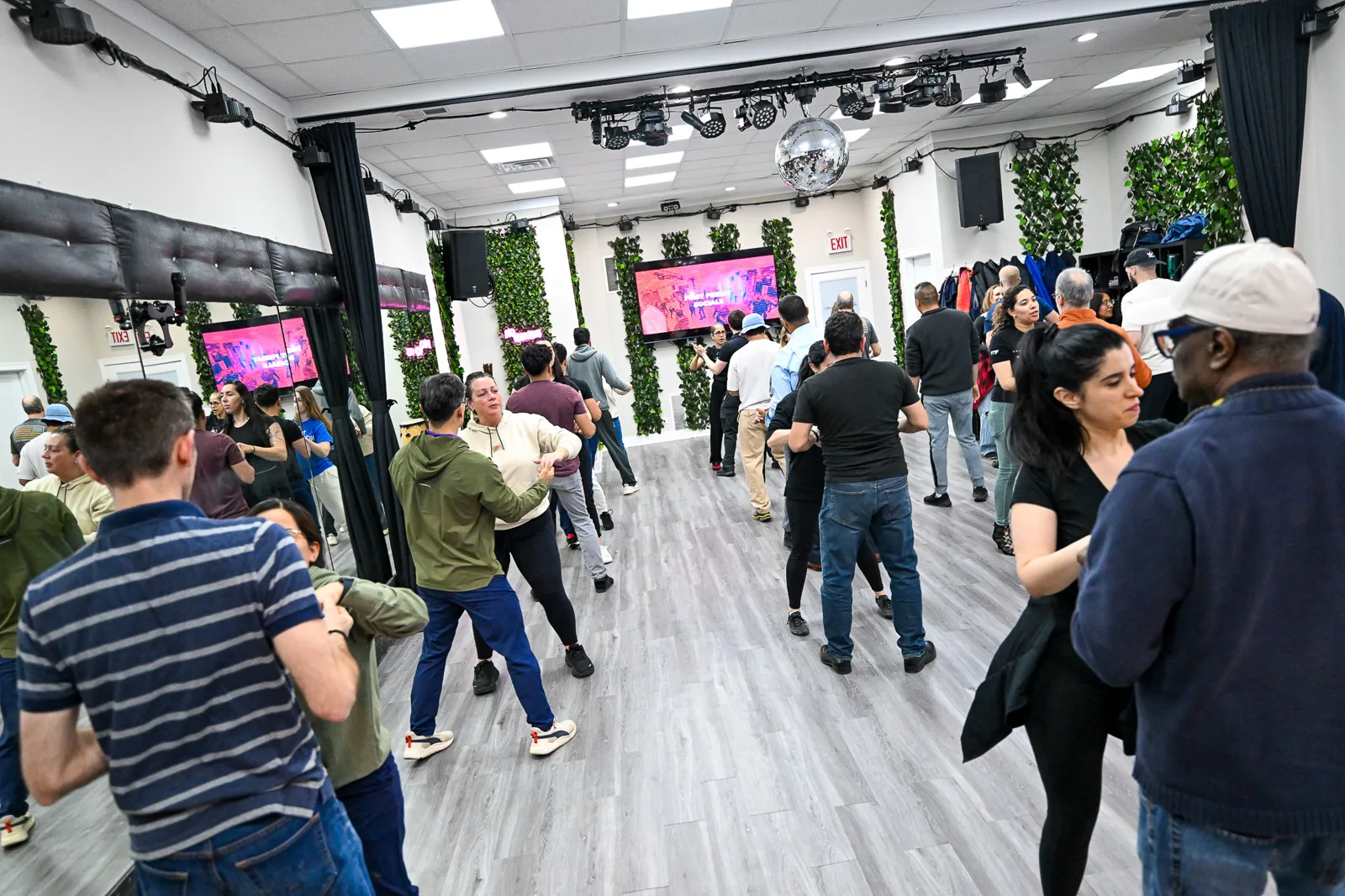
How Does Beginner Salsa Dance Technique Help Rebuild Core Stability?
Core stability relies on deep abdominal and back muscles working together. In beginner salsa, you maintain an upright posture while stepping in different directions. This constant engagement forces your core to stabilize your spine. As you practice the basic steps, your lower back and stomach muscles strengthen naturally. You gain functional strength that helps your balance in everyday life.
Salsa footwork requires clear weight transfers between your feet. When you shift your weight forward and back, your torso stays balanced over your hips. This action engages the obliques and transverse abdominis muscles constantly. Your body learns to stay centered while moving through space. Over time, these simple salsa footwork drills rebuild core control and reduce awkward stumbling.
Proper frame is another essential part of beginner salsa instruction. Keeping your arms lifted and shoulders down activates your upper back and core. You cannot hold a proper dance frame with a soft, inactive midsection. This holding posture builds endurance in your core muscles without heavy weightlifting. It helps fix slouched post-work posture while teaching muscle memory.
Hip movement in salsa comes from bending and straightening your knees, not forcing your lower back. This controlled hip action requires your lower abdomen to stay active. As your hips move naturally with the rhythm, your pelvic floor and deep core muscles stabilize the pelvis. This gentle movement lubricates joints while strengthening the core muscles that support your spine.
Balance drills built into salsa steps challenge your stability on one foot. Each time you step and pause, your stabilizer muscles fire to keep you upright. Beginner dancers quickly notice better equilibrium after a few sessions. Rebuilding stability this way feels smooth and natural. Your core acts as the steady foundation for every single movement on the dance floor.
Consistent dance practice creates strong muscle memory for good posture. When you practice basic salsa turns and steps, your core stays engaged to keep you steady. You will start standing taller outside of class as well. Strong core stability protects your lower back from strain during daily tasks. Dancing makes core fitness enjoyable, social, and practical.
Joining a local class gives you guidance on proper form to prevent injury. Dennis PaSamba Dance Company offers structured instruction located at 4820 W. Irving Park Rd. in Chicago. We are right in the Irving Park neighborhood at Six Corners with free parking available. Text or call 717-PaSamba to learn more about starting your stability journey today.
Questions people ask
Can I rebuild core stability with salsa if I have no dance experience?
Yes, beginner salsa starts with simple weight transfers that anyone can learn. The basic steps naturally engage your core without complex movements. You will build balance and strength at a comfortable pace.
How often should I practice salsa to improve my balance and core?
Practicing once or twice a week provides consistent core engagement for steady improvement. Regular movement helps your body build lasting muscle memory. You can also practice basic steps at home for a few minutes daily.
Where are salsa classes held and how do I get started?
Classes are held at Dennis PaSamba Dance Company at 4820 W. Irving Park Rd. in Chicago near Six Corners. We offer free parking for all of our students. Text or call 717-PaSamba to get details and sign up.
Visit the studio
Dennis PaSamba Dance Company
4820 W. Irving Park Rd., Chicago, IL 60641
Six Corners · Portage Park · Irving Park
dennispasamba.com · Text/Call 717-PASAMBA ((717) 727-2622)