
How Do Cabeceo and Social Etiquette Work in Argentine Tango?
The cabeceo is the traditional non-verbal method used to invite someone to dance at an Argentine Tango event. Instead of walking up to a table and asking out loud, leaders and followers use eye contact from a distance. The leader looks toward a follower and makes subtle eye contact, nodding gently to offer a dance. If the follower accepts, they nod back and maintain eye contact while the leader walks over. This avoids any public rejection or embarrassment for either person during a crowded social gathering.
Before a cabeceo can happen, both dancers rely on the mirada, which means the look. A follower who wants to dance will scan the room to catch the eye of a potential partner. If a follower does not wish to dance with a specific leader, they simply look away or focus on their friends. This silent communication gives everyone complete control over their social choices. It keeps the atmosphere relaxed and respectful, allowing dancers to connect naturally without feeling pressured or cornered at their tables.
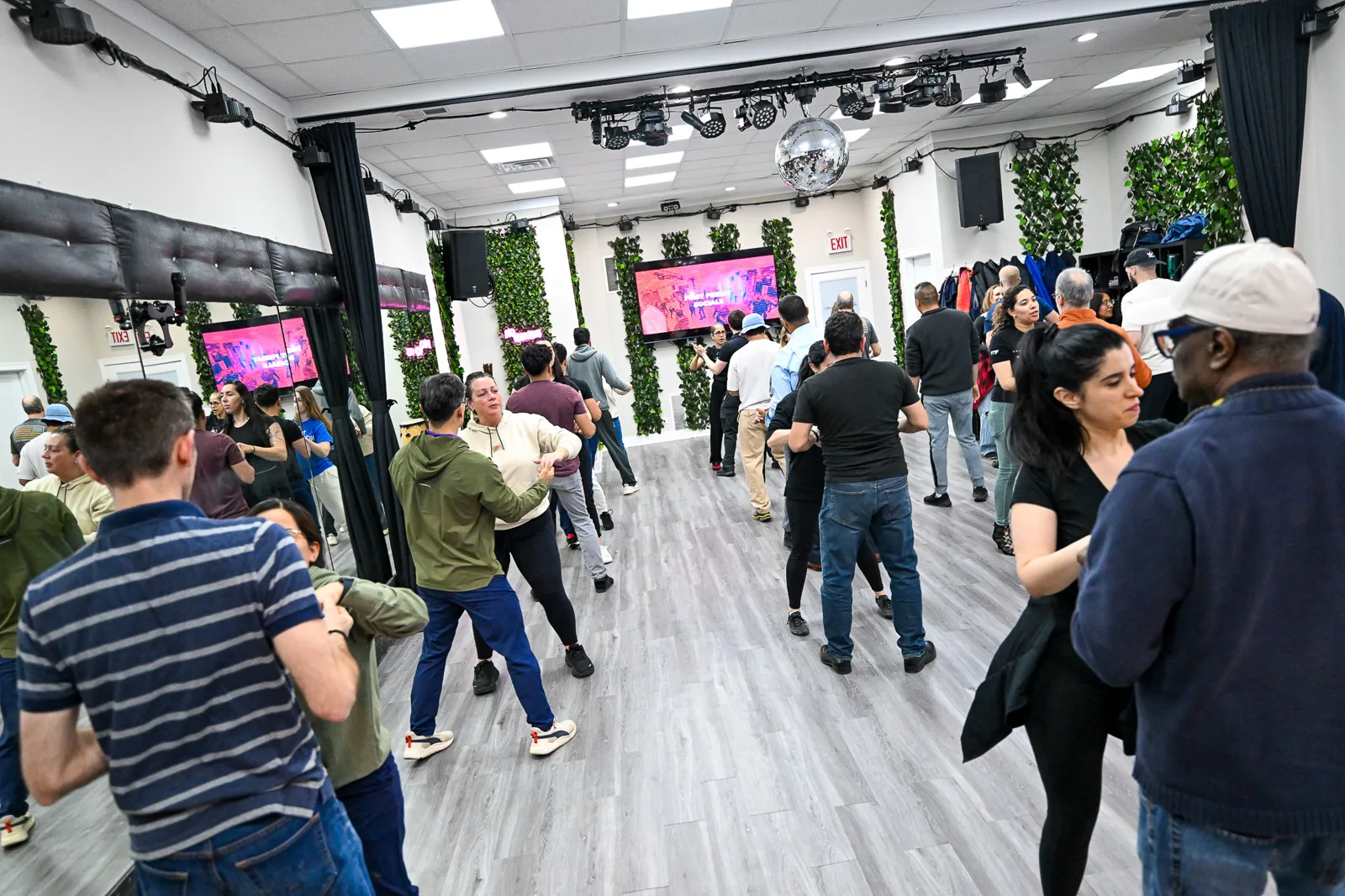
Social etiquette in tango goes beyond invitations and extends onto the dance floor itself. The floor is organized into concentric lanes that move counter-clockwise around the room, which is called the ronda. Dancers must keep a safe distance from the couple in front of them and avoid stepping backward into someone else. Respecting the line of dance prevents collisions and keeps every couple safe. At Dennis PaSamba Dance Company, we guide students on how to navigate the room smoothly while staying mindful of others.
Entering the dance floor during a milonga requires careful attention to active couples. A leader should never just step onto the floor in front of an oncoming couple. Instead, the leader catches the eye of the approaching leader in the outside lane and waits for a brief nod of permission. Once acknowledged, the couple steps onto the floor in harmony with the flow of traffic. This simple courtesy keeps the dance floor safe and ensures that the music and movement continue uninterrupted for everyone.
Tango music is played in sets of three or four songs called a tanda, separated by a brief interlude called a cortina. Customary etiquette suggests dancing the entire tanda with the same partner once you accept an invitation. When the cortina plays, it signals that the set is over, giving partners a friendly moment to thank each other and walk off the floor. Leaving in the middle of a tanda is generally considered impolite unless a partner behaves unsafely or disrespectfully toward you.
Because tango involves close embrace, personal hygiene and thoughtful attire are essential elements of social etiquette. Dancers should wear clean clothes, bring extra shirts if they sweat easily, and use mints before stepping onto the floor. Avoid strong perfumes or colognes that might bother your partners in close contact. Showing respect through good hygiene ensures that your partners feel comfortable and refreshed throughout the evening. Taking care of these small details makes social dancing far more enjoyable for the entire local community.
Learning these traditional codes helps you feel confident at any milonga in Chicago or around the world. At Dennis PaSamba Dance Company, located at 4820 W. Irving Park Rd. in the Six Corners area of Irving Park, we offer a welcoming space with free parking where you can practice these customs. Whether you are brand new to tango or refining your floor craft, practicing social codes builds confidence. Text or call 717-PaSamba to get more details about our upcoming dance sessions and workshops.
Questions people ask
What should I do if I miss a cabeceo or misunderstand a nod?
Misunderstandings happen to everyone on the social dance floor. If you accidentally walk up to someone who was looking at a different partner, simply apologize with a friendly smile and step back cleanly. Staying polite and relaxed helps maintain a pleasant environment for everyone.
Can followers initiate the cabeceo to ask leaders for a dance?
Yes, followers can easily initiate the invitation using the mirada to catch a leader's eye. Once mutual eye contact is established, a light smile or subtle nod signals your interest in sharing a tanda. This non-verbal communication works equally well for all dancers at a milonga.
How do I learn these social etiquette rules at Dennis PaSamba Dance Company?
We cover floor etiquette, spatial awareness, and non-verbal invitations alongside core dance technique in our studio sessions. Our welcoming environment in Irving Park gives you plenty of opportunities to practice in a supportive setting. Text or call 717-PaSamba today to get full details on how to join us.
Visit the studio
Dennis PaSamba Dance Company
4820 W. Irving Park Rd., Chicago, IL 60641
Six Corners · Portage Park · Irving Park
dennispasamba.com · Text/Call 717-PASAMBA ((717) 727-2622)