
Timing comes first
Hips follow the weight change in your feet. If the step is late, the hips will be too. Get the basic on time before you think about styling.
Do not start with hips
Forcing hip motion early usually leads to stiff knees and a delayed tap. Let it grow naturally from relaxed knees and clean weight shifts.
Where it develops
Small hip motion often appears on its own by week three or four. Level 2 and practice at the social build it further.
Building a Solid Foundation
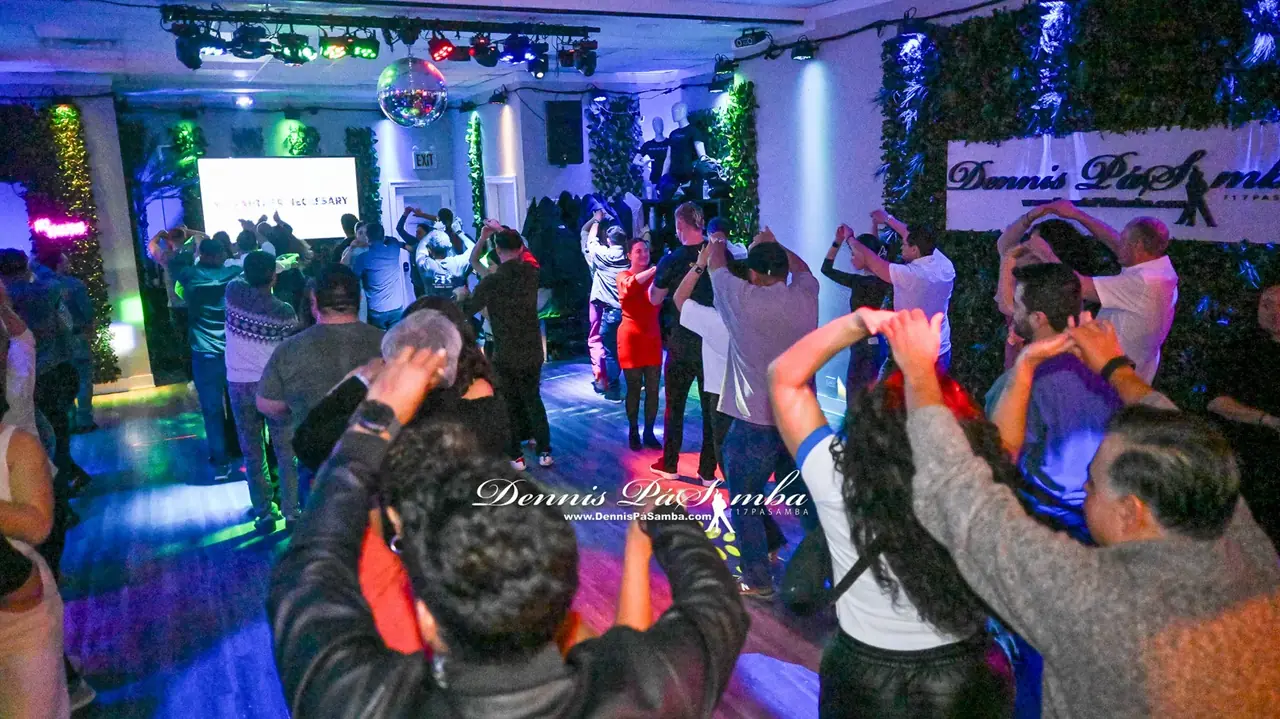
Before you focus on hip movement, work on your basic step. A strong basic step is your most important tool. Practice shifting your weight fully from one foot to the other. Ensure your steps are clear and distinct. This foundational work helps your body understand the dance's rhythm. Proper weight transfer is key to natural movement. It allows your body to respond to the music effortlessly. Without a solid basic, styling attempts often look forced. Focus on balance and control in your steps. This builds the muscle memory needed for smooth dancing. Your feet and legs are the power source for all movement. Make sure they are working together efficiently. Every step should feel grounded and intentional. This prepares your body for more advanced styling. A well-executed basic is beautiful on its own. It shows confidence and understanding of the dance. Building this foundation makes learning body movement easier. It sets you up for success on the dance floor. This practice is part of every group class. You will get plenty of opportunities to refine your steps. Our instructors guide you through each element carefully. We break down the basics into manageable parts. You will gain confidence with each session. A strong foundation unlocks your dancing potential. It is the secret to looking good on the social floor. Come build your bachata foundation with us. No partner is needed for group classes. Partners rotate so everyone gets to dance. Our classes are designed for adults at all levels.
The Role of Relaxed Knees
Relaxed knees are crucial for fluid body movement. Stiff knees restrict your ability to move naturally. They prevent the subtle bounces and shifts bachata is known for. Think of your knees as shock absorbers. They allow your weight to settle and rise smoothly. This natural flexion creates a gentle, rhythmic flow. Without relaxed knees, hip movement feels artificial. It might look like you are trying too hard. Let your knees soften with each step. This allows your hips to respond to the weight change. This responsiveness is what creates authentic bachata movement. Practice stepping with slightly bent knees. Feel how your body can then move more freely. This freedom allows for organic styling to emerge. It's not about exaggerating the knee bend. It's about letting them be pliable, not locked. This technique helps your entire body connect with the music. It makes your dancing look more graceful. Relaxed knees are essential for comfortable social dancing. They reduce tension throughout your legs and hips. You will find it easier to dance for longer periods. Our instructors emphasize this in every beginner class. We teach you how to move efficiently and comfortably. Learning to relax your knees is a fundamental skill. It improves your balance and your connection with a partner. This foundational element supports all other styling. It's a small change that makes a big difference. You will notice the improvement quickly. Come learn the secrets to relaxed and fluid movement. Our 4-week sessions are perfect for beginners. Text or call us to learn more about class schedules. We are located in Chicago's Six Corners.
Incorporating the Tap
The tap step in bachata is more than just touching your foot. It is an opportunity to add subtle body styling. When you tap, your weight should remain on the standing foot. This allows the tapping foot to be light and free. Use this moment to subtly shift your hip on the standing side. This creates a gentle accent to the music. The tap can be a chance for a small, controlled hip pop. It's a brief, rhythmic embellishment. Avoid moving your tapping foot too far away. Keep it close and concise for a clean look. The tap should align with the musical count. Practice making your tap light and precise. This precision enhances your overall rhythm. The tap can also help you mark the end of a phrase. It prepares you for the next set of steps. This small detail adds a lot of character. It shows your understanding of bachata's rhythm. You don't need a huge movement. A slight gesture is often more effective. This styling grows naturally with practice. As your basic becomes automatic, you'll feel the rhythm more. The tap offers a moment for personal expression. It is a signature part of bachata dancing. Our classes help you master this detail. We guide you through incorporating the tap. You will learn to make it your own. Come discover how to make your tap steps shine. Group classes are $95 for 4 weeks. Missed weeks can be made up easily.
Questions people ask
Do I have to move my hips?
No. A clean basic with no styling is completely fine on any social floor.
Will I learn how to move my hips in a beginner class?
Our beginner classes focus on foundational steps and rhythm. Natural hip movement often starts to appear as you gain comfort. We teach you the body mechanics that lead to it.
What if my hips don't move like I see in videos?
That's perfectly normal. Many dancers develop their hip movement over time. Focus on good technique, and it will come naturally as you progress.
Visit the studio
Dennis PaSamba Dance Company
4820 W. Irving Park Rd., Chicago, IL 60641
Six Corners · Portage Park · Irving Park
dennispasamba.com · Text/Call 717-PASAMBA ((717) 727-2622)