
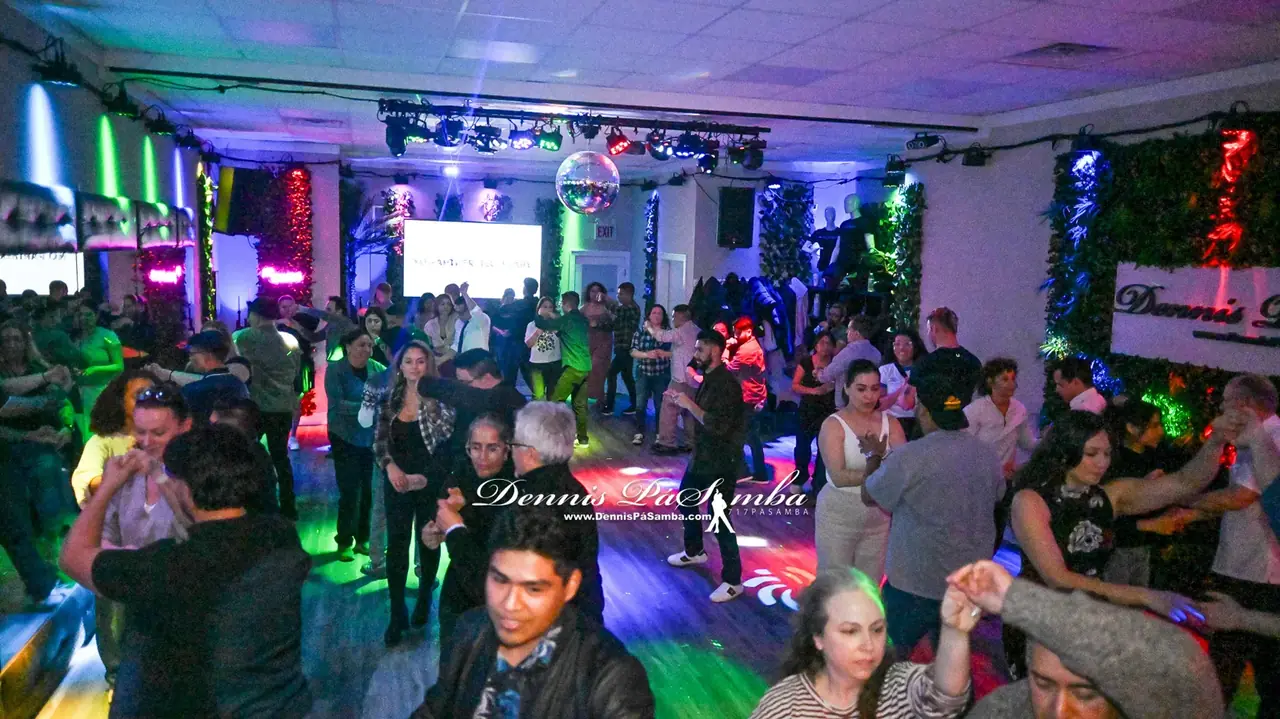
Slow romantic bachata
Expect smooth vocals, a steady bongo and a bright lead guitar. These songs leave space between beats, which is perfect while your feet are still learning the pattern.
How to find the beat
Listen for the low thump of the bass or the güira scraping on every count. Count 1, 2, 3 and tap on 4, then start again. Once that matches the song, put the side step on top.
- Find the steady pulse first
- Count four, tap on the fourth
- Step only after the count feels right
Practice at home
Make a short playlist of slow bachata and count along while you cook or drive. Your ears will be ahead when you get to class.
Different Styles of Bachata Music
Bachata music has evolved over time, bringing different sounds and rhythms. Early bachata, often called 'traditional' or 'roots' bachata, has a distinct acoustic guitar sound. These songs are often slower, making them excellent for beginners. You might hear the crisp sound of the requinto, the lead guitar, carrying the melody.
Modern bachata introduced electric instruments and more pop influences. Artists began incorporating synthesizers and different drum patterns. While the core rhythm remains, the overall feel can be more upbeat. Learning to distinguish these styles by ear helps you anticipate the dance.
Urban bachata blends traditional bachata with R&B, hip-hop, and other contemporary genres. This style often features faster tempos and more intricate musical arrangements. We introduce these later in your dance journey. Understanding the musical nuances helps your dancing flow with the music. It allows you to express different feelings on the dance floor.
Identifying Instruments in Bachata
A key to dancing bachata well is to hear its main instruments. The bachata rhythm is built on the interplay of several instruments. Each plays a vital role in creating the music's unique sound. Listening for them makes counting and timing easier for you.
The lead guitar, or requinto, often carries the melody and distinctive bachata arpeggios. It provides the romantic or melancholic feel. The rhythm guitar, or segunda, strums chords and helps maintain the tempo. The bass guitar lays down the low-end foundation. It provides a steady pulse that you can feel in your body.
Percussion is crucial in bachata. The bongo drums provide the driving beat, often with a quick roll on the fourth count. The güira, a metal scraper, keeps a constant rhythm. It creates a shimmery sound throughout the song. Often, a tambora drum is also used. These elements combined make the music danceable. Pay attention to each one. This will help you find your steps. It will also help you express the music in your movements.
Listening for Musical Cues
Beyond just counting, listen for specific musical cues that tell you what to do. Bachata music often has clear sections. These include verses, choruses, and instrumental breaks. Each section might inspire a different movement.
The chorus is usually more energetic and repetitive. It is a good place to do your basic steps with confidence. During instrumental breaks, especially when the requinto takes a solo, you might feel inspired to add a styling. These parts are great for showing your personal flair. They add expression to your dance.
Also, pay attention to the changes in intensity. The music might build up or slow down. These changes are invitations to vary your dance. A gentle slowdown can be a cue for a more subtle movement. A build-up might lead to a more dynamic step. Learning to listen to these cues enriches your dancing greatly. It helps you become one with the music.
Questions people ask
Do you ever play faster songs?
Later in the course and at the Friday social, yes. Level 1 starts slow.
What is the difference between counting 1-2-3-4 and 1-2-3-tap?
Bachata music is counted in cycles of four beats. The tap on the fourth beat is a stylistic choice in bachata. It gives the dance its characteristic feel. You step on 1, 2, and 3, then tap lightly on 4 without transferring weight. This makes it a four-beat rhythm. Some other dances step on all four counts.
Can I use any bachata music for practice?
For beginning practice, focus on slower, traditional bachata songs. These have a clear, steady rhythm that is easier to follow. As you progress, you can explore faster or more complex bachata styles. Start slow and clear to build a strong foundation. This helps you get comfortable with the basic steps.
Visit the studio
Dennis PaSamba Dance Company
4820 W. Irving Park Rd., Chicago, IL 60641
Six Corners · Portage Park · Irving Park
dennispasamba.com · Text/Call 717-PASAMBA ((717) 727-2622)