
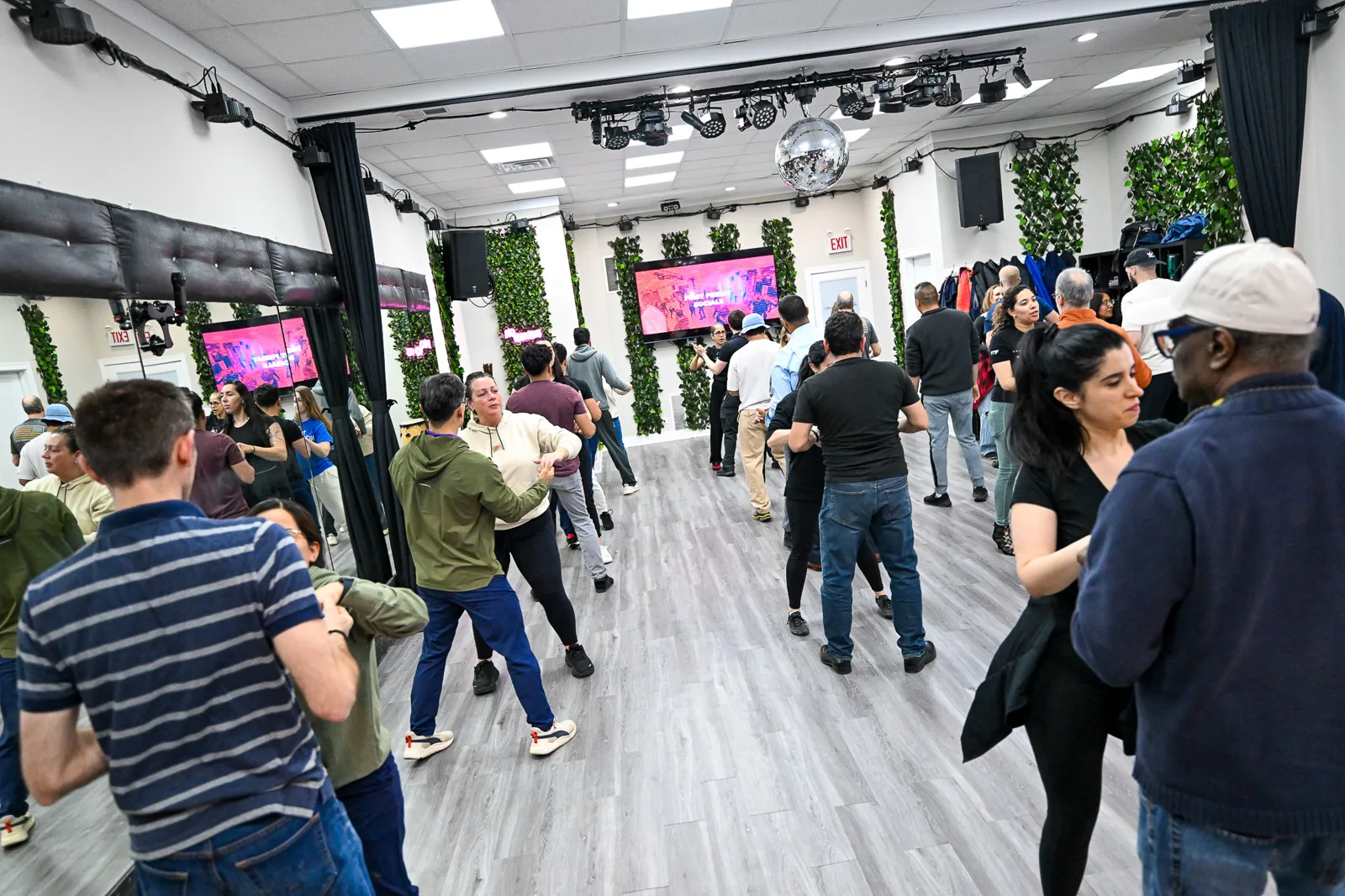
How Can Dancers Master Floor Spacing Techniques for Group Dance Performance Choreography?
Spacing forms the backbone of any successful group performance. When dancers step onto the stage, they must understand how their personal space interacts with the surrounding area. Clear grid awareness helps dancers maintain equal distances between partners and subgroups. This spatial visual keeps formations tight and visually appealing to the audience. Practicing basic visual reference points during rehearsals allows team members to quickly adjust their positions without breaking character or rhythm.
Utilizing staggered lines is one of the most effective floor spacing techniques for group choreography. Placing dancers in alternating windows ensures that every performer is seen clearly from the front of the room. This formation prevents taller dancers from blocking shorter dancers and creates depth on the floor. Group members must learn to check their sightlines continuously. Staggering also gives dancers enough room to execute large arm movements and turns safely.
Transitions between formations require precise timing and spatial awareness. Moving smoothly from a V-shape into a circle or a straight line demands clear pathway planning. Dancers should always know their exact travel lines before adding complex arm styling or footwork. Stepping into open space while maintaining dynamic group unity takes regular practice. Smooth transitions keep the energy high and prevent collisions during fast-paced routines on stage.
Center stage is naturally the focal point of any performance floor, but full stage coverage is crucial. Using the diagonals and back corners creates a larger visual impact for the entire piece. Group routines should distribute energy evenly across the floor rather than crowding one specific area. Dancers learn to feel the balance of the room, filling empty pockets of space automatically as the choreography unfolds over time.
Depth awareness helps teams move seamlessly between background work and featured spotlight moments. Moving dancers forward or backward changes the focus of the performance immediately. Front-line dancers need to maintain crisp projection, while back-line dancers maintain strong execution to keep the stage balanced. Training your eyes to spot open areas helps your team maintain proper distance even on small or unusually shaped performance stages.
Group rehearsals should incorporate practice in different room sizes to build adaptable spatial awareness. Dance floors vary widely between studio spaces, showcase venues, and event stages. Group members must practice shrinking or expanding their steps without altering the musical timing or choreography. Adjusting your stride length on the fly keeps team spacing accurate regardless of the actual venue size or stage boundaries.
Working on spacing techniques at Dennis PaSamba Dance Company prepares dancers for confident showcase and group performances. Located at 4820 W. Irving Park Rd. in Chicago's Six Corners area of Irving Park, our studio offers free parking and a welcoming environment. We focus on partner connection, group alignment, and musicality. Text or call 717-PaSamba (717-727-2622) to learn more about our upcoming dance programs.
Questions people ask
Why is visual windowing important in group dance spacing?
Visual windowing positions dancers in alternating spaces so every performer remains visible to the audience. This setup prevents dancers from hiding behind one another during group routines. It also ensures everyone has enough physical room to perform full movements safely.
How do group dancers adjust spacing for small performance stages?
Dancers adjust spacing on small stages by shortening their travel steps and narrowing their formations while keeping proportions aligned. Practicing flexible spacing techniques allows groups to adapt quickly without changing the choreography. Keeping strong eye contact and peripheral awareness helps prevent collisions.
Where can I practice group dance routines and spatial techniques in Chicago?
You can train at Dennis PaSamba Dance Company located at 4820 W. Irving Park Rd. in Chicago (Six Corners, Irving Park). The studio features free parking and convenient access for all dancers. Text or call 717-PaSamba to find out more about our class options.
Visit the studio
Dennis PaSamba Dance Company
4820 W. Irving Park Rd., Chicago, IL 60641
Six Corners · Portage Park · Irving Park
dennispasamba.com · Text/Call 717-PASAMBA ((717) 727-2622)