
What Is the Main Timing Difference Between Cuban Son and Salsa On1?
Beginner Salsa On1 focuses on the very first beat of the music. When you dance Salsa On1, you take your first step directly on count one. Count one carries the strongest emphasis in a standard eight-count salsa measure. This clear starting point makes Salsa On1 easy for beginners to hear and practice. You step forward or backward right when the music starts its new count cycle.
Cuban Son uses a distinct rhythmic structure known as dancing contratiempo. Instead of stepping on beat one, Son dancers pause or hold on beat one. The first physical step happens on beat two of the musical measure. This subtle delay creates a smooth, relaxed connection to the music. Son dancers listen carefully to the clave rhythm and traditional percussion instruments to find this entry point.
The feeling of movement changes drastically between these two popular dance styles. Salsa On1 feels energetic, driving, and linear as you push off beat one. Cuban Son feels grounded, elegant, and circular because you wait for beat two. By delaying your footwork, Son gives your body extra time to absorb the music. You create a softer look that highlights the underlying melody and traditional Cuban rhythms.
Counting out loud sounds different in a Cuban Son class compared to Salsa On1. In Salsa On1, you vocalize counts one, two, three, pause four, five, six, seven, pause eight. In traditional Cuban Son, you hold count one, then step on two, three, four, hold five, and step on six, seven, eight. Practicing these counts aloud helps your brain break old habits from beginner Salsa On1 classes.
Weight shifts happen on different counts for each of these traditional dance forms. In Salsa On1, your weight transfer is immediate on beat one, giving you clear forward direction. In Cuban Son, your body weight stays quiet on beat one while preparing to shift on beat two. Learning to delay that weight shift takes patience and practice. It builds great control over your posture, balance, and core engagement.
Transitioning between Salsa On1 and Cuban Son expands your musical awareness as a dancer. Many dancers who start with Salsa On1 find the pause on beat one challenging at first. However, mastering Son timing improves your overall listening skills and body control. You begin hearing subtle polyrhythms in latin music. This deeper understanding makes you a more versatile partner on any social dance floor.
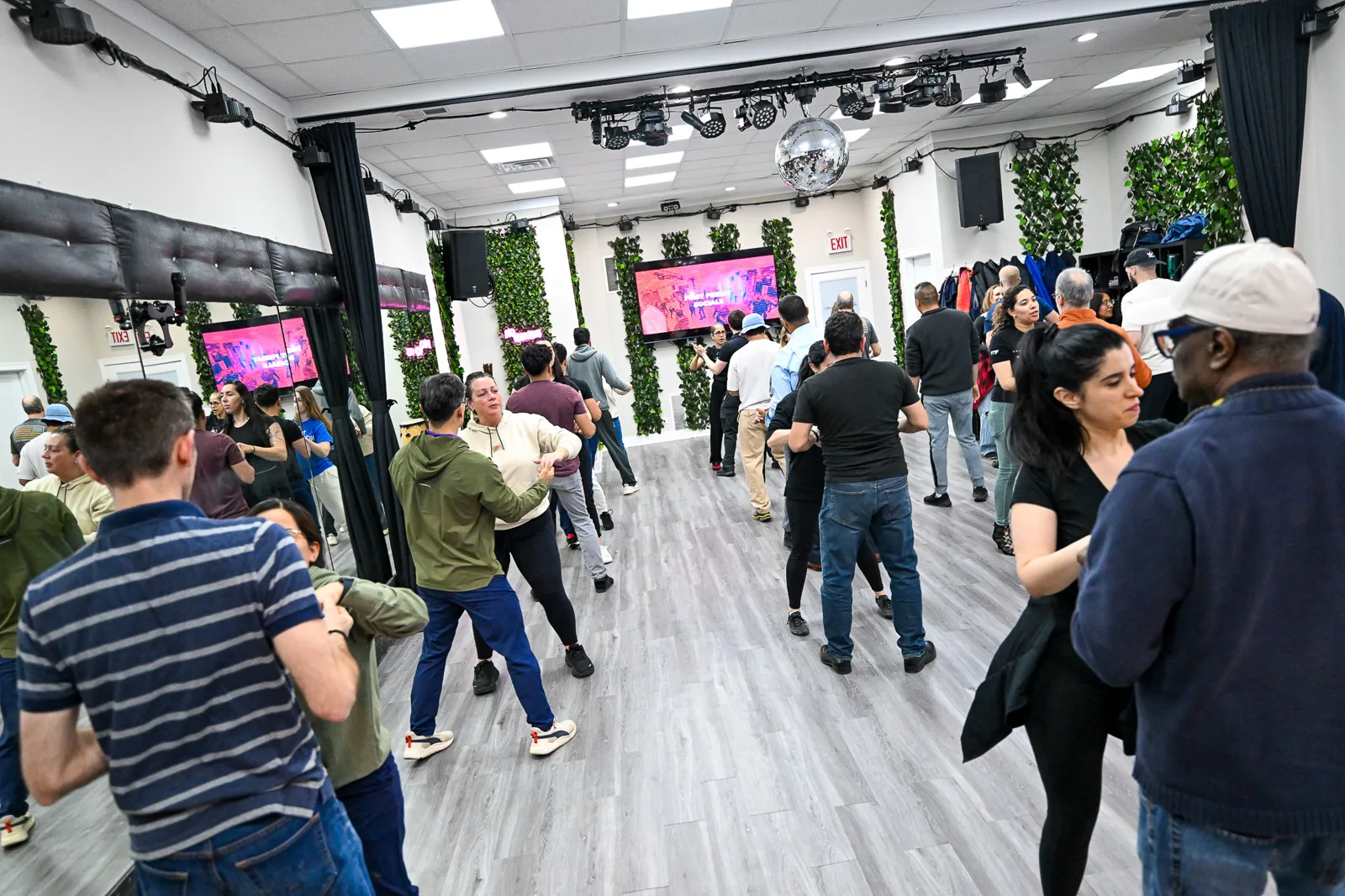
Dennis PaSamba Dance Company breaks down timing concepts into simple, manageable steps for every student. Located in the Irving Park neighborhood at Six Corners in Chicago, our studio provides a welcoming space to learn. We offer free parking so you can arrive relaxed and ready to dance. Text or call 717-PaSamba to get more details about our upcoming dance schedules and programs today.
Questions people ask
Why do beginners usually start learning Salsa On1 before Cuban Son?
Salsa On1 is often taught first because beat one is the easiest beat for most listeners to identify in modern Latin music. Taking a bold step on the strongest beat gives new dancers immediate confidence and structure. Cuban Son requires listening for subtle off-beats, which can be trickier for absolute beginners.
Can I dance Cuban Son if I only know Salsa On1 timing?
You can transition to Cuban Son with a little practice on musical listening skills. You will need to shift your main movement focus from beat one to beat two. Taking classes at Dennis PaSamba Dance Company helps you adjust your body weight timing comfortably.
Where is Dennis PaSamba Dance Company located in Chicago?
Our studio is located at 4820 W. Irving Park Rd. in the Six Corners area of Irving Park, Chicago, IL 60641. We offer free parking right near our entrance for your convenience. Please text or call 717-PaSamba to learn more about our current dance schedule.
Visit the studio
Dennis PaSamba Dance Company
4820 W. Irving Park Rd., Chicago, IL 60641
Six Corners · Portage Park · Irving Park
dennispasamba.com · Text/Call 717-PASAMBA ((717) 727-2622)