
How long does it take to master a performance choreography routine?
Most dancers need between six to twelve weeks to learn and polish a full performance choreography routine. If you rehearse once or twice a week, this timeframe allows your brain and body to absorb the steps naturally. Beginners often require closer to twelve weeks because they are building basic muscle memory alongside stage presence. Experienced dancers might finish a routine in four to six weeks. The key is consistent practice between scheduled sessions.
The length and complexity of the song heavily impact your total preparation timeline. A standard two-minute performance piece contains around eight to ten distinct dynamic combinations. Learning the basic step sequences usually happens within the first three weeks of training. However, memory is only the beginning of the performance process. Staging, spacing, emotional expression, and group synchronicity demand additional rehearsal time to look clean and professional for an audience.
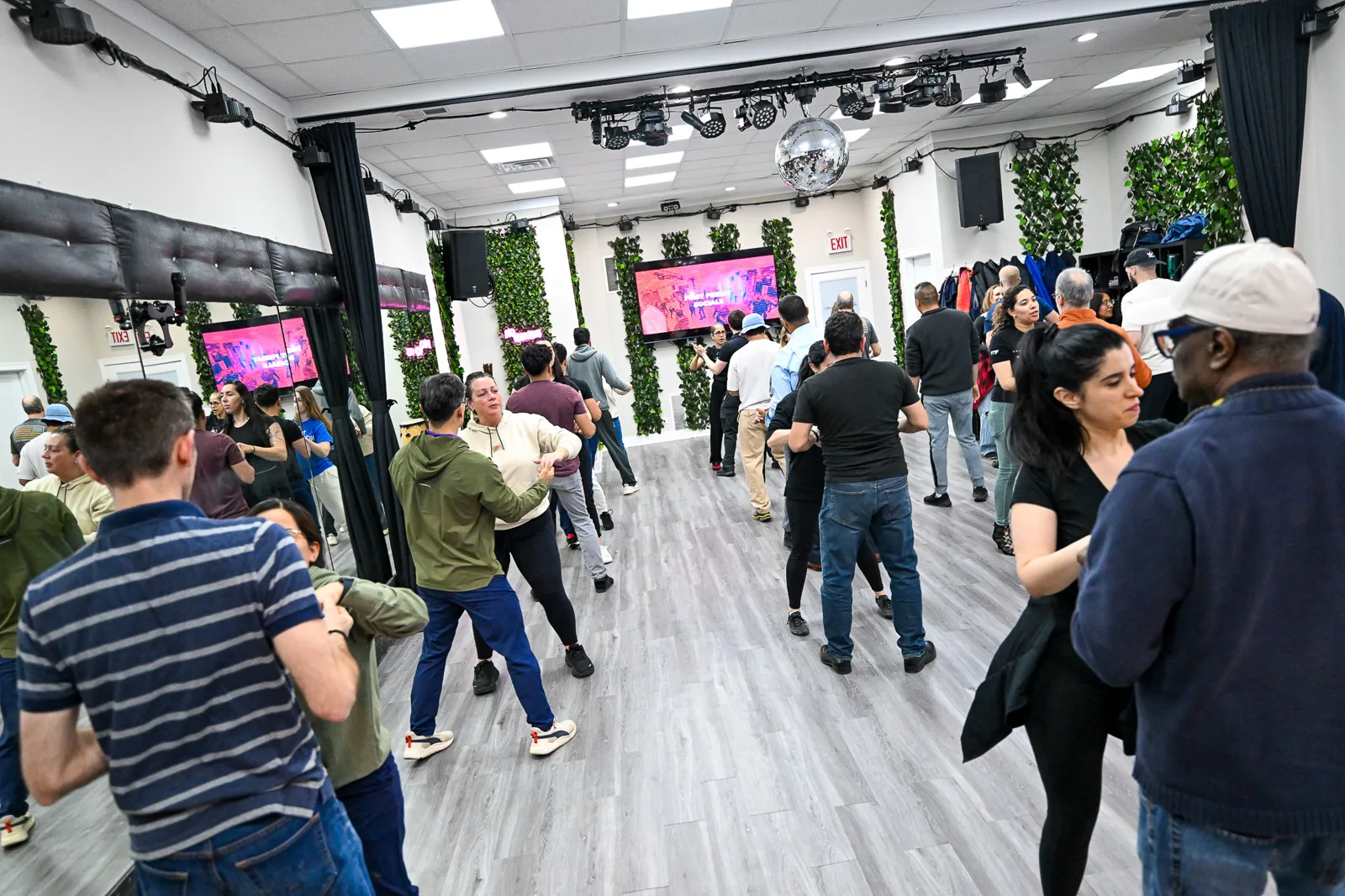
Your rehearsal frequency plays a massive role in how fast you master performance choreography. Dancers who attend class once a week and practice at home progress steadily. Dancers who commit to multiple studio rehearsals each week shorten their learning curve dramatically. At our studio at 4820 W. Irving Park Rd. in Chicago, we offer flexible rehearsal spaces with free parking so you can stay consistent without added travel stress.
Solo performance choreography follows a different timeline than partner or team routines. When you dance alone, you only worry about your own timing, execution, and stage presence. Partner work requires synchronization, trust, and connection, which often adds two to four extra weeks of preparation. Team routines demand precise formations and equal energy from every dancer. Matching every detail across a group takes time, patience, and repetitive practice together.
The final phase of learning performance choreography is polishing, which often takes as long as learning the steps. Polishing involves refining arm lines, fixing timing errors, working on facial expressions, and dancing with full energy. You need at least three weeks dedicated strictly to run-throughs without stopping. This phase builds physical stamina and confidence so you can perform on stage without missing a beat or feeling breathless.
Fast-tracking your performance preparation is possible if you have an upcoming event deadline. Intensive private lessons can condense months of weekly rehearsal into a few concentrated weeks. Working one-on-one with an instructor at our Six Corners location allows immediate feedback and custom pacing. If you want to know how fast we can build a custom routine for you, text 717-PaSamba for details on schedule options.
Ultimately, performance choreography is a journey that balances technique with artistic expression. Rushing through the learning process often leads to memory lapses or stiff movement on stage. Setting realistic expectations early helps you enjoy every rehearsal while building genuine confidence. Located in Irving Park with easy access and free parking, Dennis PaSamba Dance Company provides a supportive environment to guide you from rehearsal to the spotlight.
Questions people ask
Can a beginner learn performance choreography in a month?
A beginner can learn a short, simplified routine in a month with intensive training. However, six to eight weeks is ideal for comfortable memorization and polished stage execution. Text 717-PaSamba for details on accelerated rehearsal plans.
How many hours of practice are needed for a performance?
Most successful routines require around twelve to twenty total hours of studio practice. This includes learning the initial steps, refining technique, and running full stage run-throughs. Consistency over several weeks yields better results than cramming hours right before the event.
How does partner dancing affect the performance timeline?
Partnering usually adds several weeks to your preparation timeline because both dancers must match timing and leads. Synchronization and connection require extra repetition compared to solo dancing. Practice at our Irving Park studio helps partners build strong timing quickly.
Visit the studio
Dennis PaSamba Dance Company
4820 W. Irving Park Rd., Chicago, IL 60641
Six Corners · Portage Park · Irving Park
dennispasamba.com · Text/Call 717-PASAMBA ((717) 727-2622)