
Why Is Partner Rotation Used During Quince Court Practice?
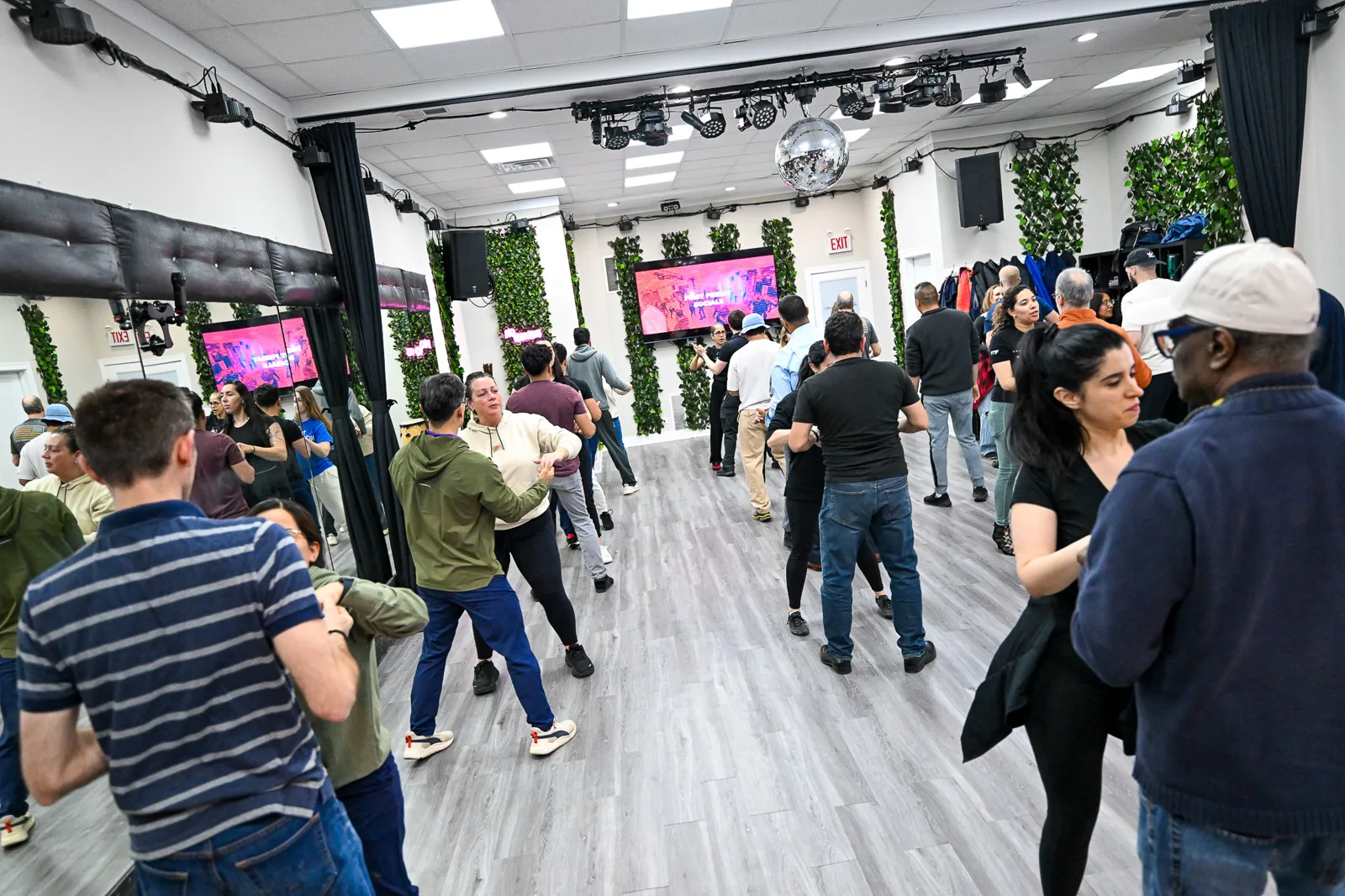
Partner rotation means dancers switch partners at set intervals throughout the practice session. In a quince court, Damas and Chambanes often start by learning their footwork individually. Once basic movements are clear, dancers pair up to practice leading and following. Rotating partners every few minutes ensures that every court member learns the rhythm, rather than relying on just one person's movement.
Rotating partners helps fix bad habits early in the rehearsal process. If a dancer only practices with one partner, they might accidentally adapt to that specific person's mistakes. Switching partners forces each dancer to maintain proper posture, frame, and timing. This creates a stronger overall group routine. When the entire court rotates, everyone gains a better understanding of the full choreography.
Building confidence across the entire court of honor is essential for a successful celebration. Some court members may feel nervous dancing in front of others or holding hands with a new partner. Rotating regularly breaks the ice and helps everyone feel comfortable together. It builds strong camaraderie so the full group presents a unified, smooth performance on the big day.
Rotation also prepares the court for unexpected changes on the day of the event. If someone steps out briefly or positions change, dancers who have rotated are adaptable. They understand how to dance with anyone in the group. This flexibility keeps the performance polished and stress-free. Practicing with multiple partners ensures everyone knows the routine thoroughly from every angle.
At Dennis PaSamba Dance Company, group classes are structured so no partner is needed to get started. Our group classes are $95 for 4 weeks, making it simple for court members or individuals to build dance skills. Dancers learn together in a supportive environment located in Irving Park at Six Corners. We also offer free parking to make rehearsal visits convenient for families.
During our rotation sessions, instructors guide the group step by step. We make sure each transition between partners is seamless and orderly. Every dancer gets equal time to lead or follow with different partners. This equal practice time ensures that no single court member falls behind. Structured rotation keeps energy high and keeps rehearsals moving along efficiently.
If you want to bring your court members to practice or work on group dance skills, join us in Chicago. Located at 4820 W. Irving Park Rd., Chicago, IL 60641, our studio offers a welcoming space for group learning. You can easily reach us to ask about our schedules. Text or call 717-PaSamba (717-727-2622) to learn more about our group classes.
Questions people ask
Do court members need to bring a set partner to practice rotation?
No, you do not need to bring a partner to join our group classes. Partners rotate during the session so everyone gets a chance to practice with different dancers. This structure helps every dancer improve their balance and timing.
How often do dancers switch partners during practice?
Dancers typically rotate every few minutes after completing a set sequence of steps. This keeps the class moving at a steady pace and allows everyone to adjust to different dancing styles. It ensures the whole group stays engaged and focused.
Where are group classes located and how much do they cost?
Our group classes are $95 for 4 weeks at Dennis PaSamba Dance Company. We are located at 4820 W. Irving Park Rd., Chicago, IL 60641 in Six Corners with free parking. You can text or call 717-PaSamba (717-727-2622) for more details.
Visit the studio
Dennis PaSamba Dance Company
4820 W. Irving Park Rd., Chicago, IL 60641
Six Corners · Portage Park · Irving Park
dennispasamba.com · Text/Call 717-PASAMBA ((717) 727-2622)