
How Can Dancers Stay On Beat With Pitch Shifted Sonidero Songs?
Pitch shifted sonidero beats change both the tempo and the tone of the music. DJs in the sonidero scene pitch tracks down to make them heavy or pitch them up for energy. When the pitch changes, the song tempo shifts instantly. Dancers must train their ears to isolate the percussion rather than relying on melody lines. Focus heavily on the guiro scrape and the snare hits to keep your core timing steady on the floor.
Slowing down a beat creates extra space between your steps. This style is closely linked to cumbia rebajada, where slow tempos require strong balance. You cannot rush your footwork when the pitch drops low. Instead, take smaller, deliberate steps and bend your knees deeper to absorb the slower pulse. Staying grounded gives you full control over your body weight, keeping your movements clean even when the track drags out longer than expected.
Sped-up pitch shifts force dancers to shorten their steps immediately. High-pitched sonidero tracks move fast, giving you less time to transfer weight between feet. Keep your feet closer together and relax your shoulders to handle fast pacing. Avoid taking large steps that cause you to fall behind the beat. Rapid footwork relies on light toe contacts and relaxed ankles, allowing you to react quickly to every unexpected speed shift from the DJ set.
Live sonidero DJs speak over pitch shifted tracks to give shouts and announcements. These vocals often obscure melodic cues that dancers usually follow. To handle this disruption, rely entirely on the underlying bassline and guiro pattern. Do not let vocal overlays distract your rhythm. Practice finding the primary beat during noisy live recordings so you can dance through voiceovers seamlessly without losing your timing or balance during social dances.
Lead and follow communication becomes even more critical during pitch shifts. Leads must feel the music transition first and adjust their frame pressure to guide the follower smoothly. Followers need to stay patient, avoiding rushing ahead before the lead indicates a tempo change. Maintaining a flexible yet connected frame allows both partners to adapt simultaneously whether the DJ speeds up the track or drops the pitch drastically mid-song.
Practicing with pitch shifted audio tracks at home helps build natural musicality. You can use pitch adjustment apps or listen to live sonidero sets online. Try stepping in place while changing playback speeds from slow to fast. Developing this active listening habit prepares your body for real dance environments. Over time, pitch shifts will no longer surprise you, turning difficult tempo changes into fun opportunities for creative expression.
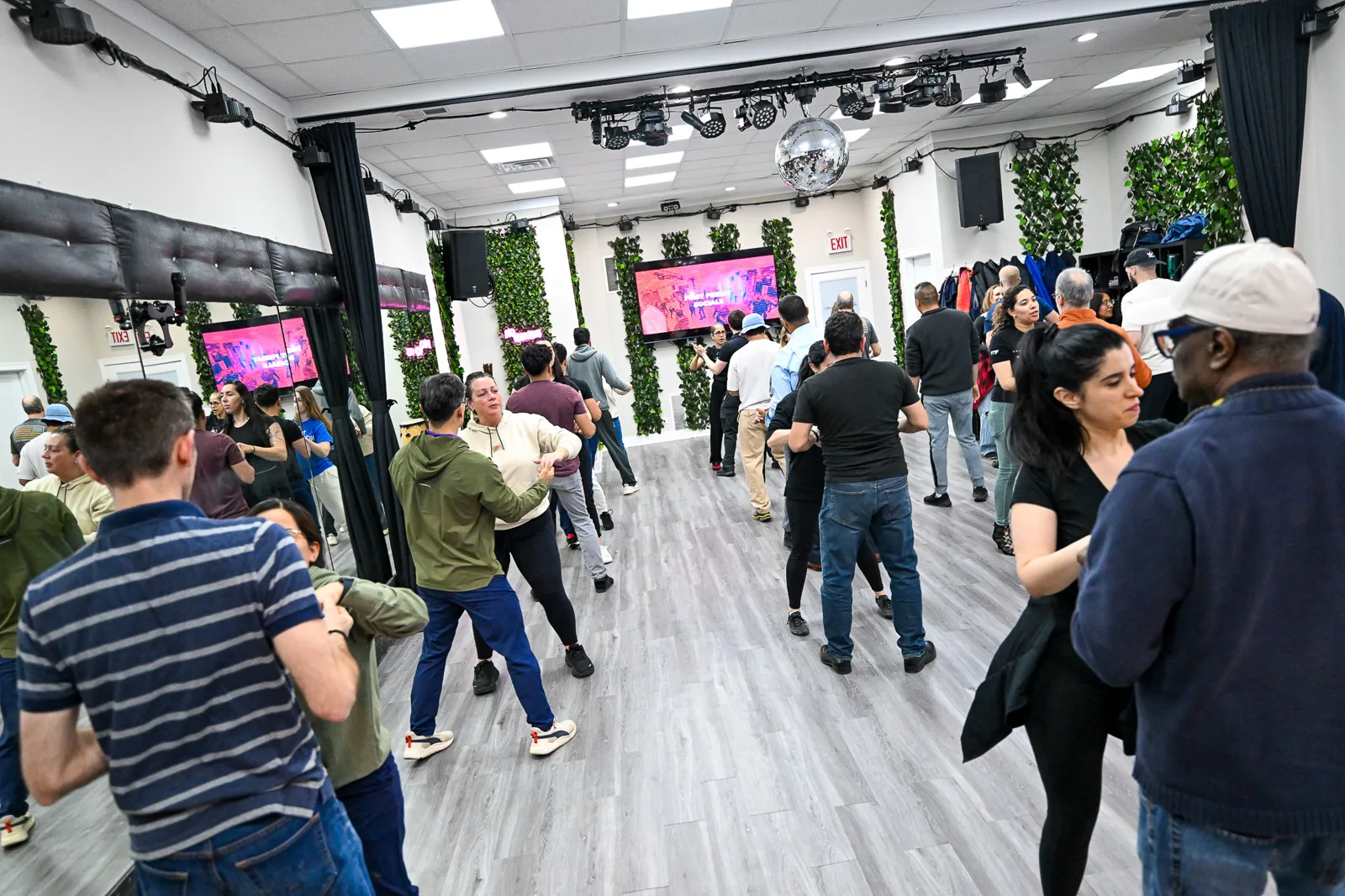
Our studio at 4820 W. Irving Park Rd. in Chicago provides a supportive space to refine your musicality. Located near Six Corners in Irving Park, we offer free parking for all students attending class. Text or call 717-PaSamba to learn more about our current schedule and musicality training. Building strong timing control helps you dance comfortably to any sonidero pitch shift, making every social dance night effortless and enjoyable.
Questions people ask
Why do sonidero DJs shift the pitch during songs?
Sonidero DJs shift pitch to create a specific mood and signature sound for the crowd. Lowering the pitch adds a relaxed, heavy groove, while raising it adds energy. This style keeps dancers engaged and allows DJs to customize classic tracks live.
How do I identify the main beat in a pitched-down sonidero track?
Listen closely to the scraping sound of the guiro and the steady drum pattern. Melody instruments can sound distorted when pitch shifted, so focus on the rhythm section. Counting the underlying percussion pulse will keep your feet on beat.
Where can I practice dancing to pitch shifted beats in Chicago?
You can practice at Dennis PaSamba Dance Company at 4820 W. Irving Park Rd. in Six Corners, Irving Park. We offer free parking and convenient access for all dancers. Text or call 717-PaSamba for full details on our training sessions.
Visit the studio
Dennis PaSamba Dance Company
4820 W. Irving Park Rd., Chicago, IL 60641
Six Corners · Portage Park · Irving Park
dennispasamba.com · Text/Call 717-PASAMBA ((717) 727-2622)