
What Are the Best Ways to Keep Your Quince Court Engaged During Rehearsals?
Set clear expectations right from the very first practice session. Explain the schedule, the goals for each rehearsal, and the importance of arriving on time. When teenagers understand what is expected of them, they are much more likely to stay focused. Keep the rules simple and fair for everyone in the court. Remind them that working together makes the final dance look amazing for the big celebration.
Break down complex choreography into smaller, manageable sections. Attempting to teach an entire routine in one day can overwhelm your court and lead to distractions. Focus on eight counts at a time and celebrate small improvements. Once the group masters one section, move on to the next. This step-by-step approach keeps energy high and prevents frustration among the teenagers as they learn new moves.
Keep rehearsal times structured with regular scheduled breaks. Teenagers lose focus when practices drag on for too long without rest. Plan a five-minute water break every thirty minutes to let them chat and relax. Once the break is over, bring everyone back together immediately. A clear routine of work and rest helps maintain attention throughout the entire practice session without burning anyone out.
Minimize distractions in the practice room by establishing simple rules. Ask all court members to put their mobile phones away during active practice time. Playing background music only when dancing helps keep their attention on the instructor. A dedicated space with free parking makes arriving easy and stress-free. Clear boundaries allow the court to stay focused on learning their steps together smoothly.
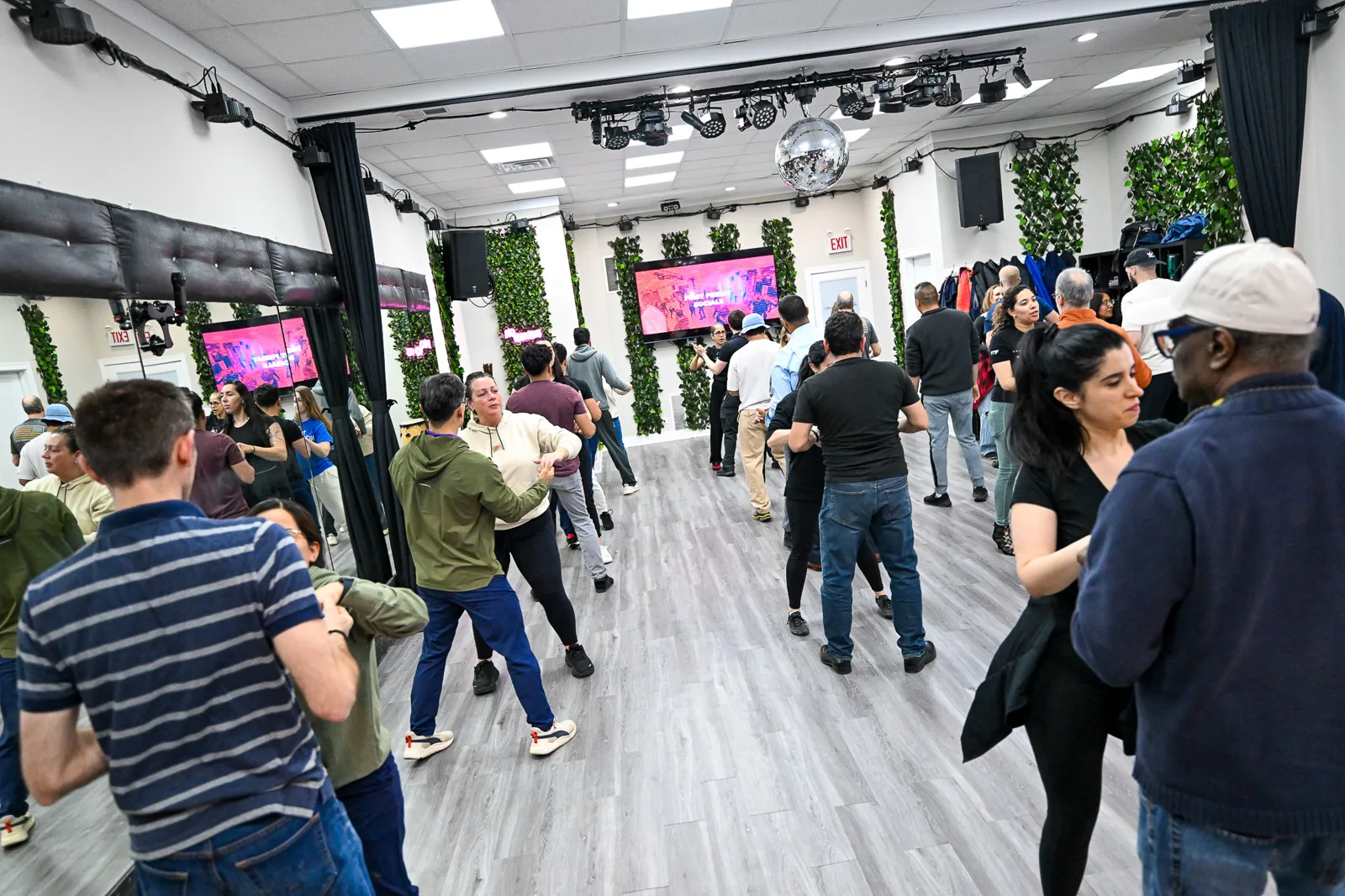
Pair stronger dancers with those who need a little extra help. Group members learn well from each other when given positive encouragement. Rotating partners during practice can also keep the energy fresh and friendly. At Dennis PaSamba Dance Company, group classes are $95 for 4 weeks, where no partner is needed and partners rotate. Learning how to adjust to different partners builds strong overall group coordination.
Use positive reinforcement to motivate the damas and chambanes. Praise individual court members when they get a step right or show great effort. Recognizing hard work encourages the rest of the group to pay attention and try their best. Positive feedback builds court confidence and creates a fun atmosphere where everyone feels supported while preparing for the special event.
Visit Dennis PaSamba Dance Company at 4820 W. Irving Park Rd. in Chicago, located in the Irving Park neighborhood at Six Corners with free parking available. Group classes are $95 for 4 weeks. No partner is needed because partners rotate during class. To learn more or ask questions about dance classes, text or call 717-PaSamba (717-727-2622) today to get started with your training.
Questions people ask
How long should a quince court rehearsal last to keep everyone focused?
Rehearsals should ideally last between one and two hours. Keeping practices concise prevents tiredness and lost attention among teenagers. Be sure to include brief water breaks to keep their energy up.
Should court members practice in pairs or as a full group?
It is best to alternate between small pair practice and full group runs. Working in smaller groups lets individuals focus on their specific steps. Bringing everyone together reinforces timing and full spatial awareness on the dance floor.
Where can dancers take group classes to improve their skills in Chicago?
Dancers can take classes at Dennis PaSamba Dance Company located at 4820 W. Irving Park Rd., Chicago, IL 60641 in Six Corners with free parking. Group classes cost $95 for 4 weeks, with no partner needed as partners rotate. Text or call 717-PaSamba (717-727-2622) to sign up.
Visit the studio
Dennis PaSamba Dance Company
4820 W. Irving Park Rd., Chicago, IL 60641
Six Corners · Portage Park · Irving Park
dennispasamba.com · Text/Call 717-PASAMBA ((717) 727-2622)