
How Can Dancers Improve Stage Expression and Facial Projection Through Simple Drills?
Stage projection begins with conscious awareness of your facial muscles. Many dancers focus so heavily on footwork that their faces freeze or show anxiety. You can fix this by doing isolated facial warm-ups before every rehearsal. Soften your jaw, stretch your smile, and practice eyebrow lifts in a mirror. This simple routine prepares your face to emote naturally while executing complex physical choreography.
Eye contact is another critical tool for stage presence. When you look down at the floor, you disconnect from your audience and lose stage authority. Practice staring at specific focal points at eye level around the room while running your routines. Choose three spots on the back wall and practice shifting your gaze deliberately between them. This drill helps project your energy outward into the entire performance space.
Emotion mapping is a dynamic exercise for dance performers. Assign a specific feeling to each musical section of your routine, such as joy, tension, or playful confidence. Stand in front of a mirror and practice shifting your facial expression instantly when the music changes mood. Repeating this exercise builds muscle memory so your facial projections match the musicality of your routine without forced effort during live shows.
Breath work directly impacts the authenticity of your stage expressions. Holding your breath causes visible facial tension and stiffness across your shoulders. Practice inhaling deeply through your nose and exhaling smoothly through your mouth while holding facial smiles or dramatic expressions. Controlled breathing relaxes your neck muscles, allowing genuine emotion to show through your face while keeping your movements light and controlled on stage.
The focal zoom drill helps dancers project to both close and distant spectators. Alternate your focus between a point five feet away and a point fifty feet away while executing your steps. Exaggerate your mouth and eye movements slightly when focusing far away so your facial expressions read clearly to back-row audience members. This exercise trains you to scale your performance energy based on venue size.
Video analysis is a powerful tool for sharpening stage presence. Set up a camera at eye level and film yourself performing a routine while focusing purely on your facial engagement. Watch the footage without sound to see if your face tells the story on its own. Adjust your expressions based on what looks natural, and re-test the drill until your performance feels effortless and engaging.
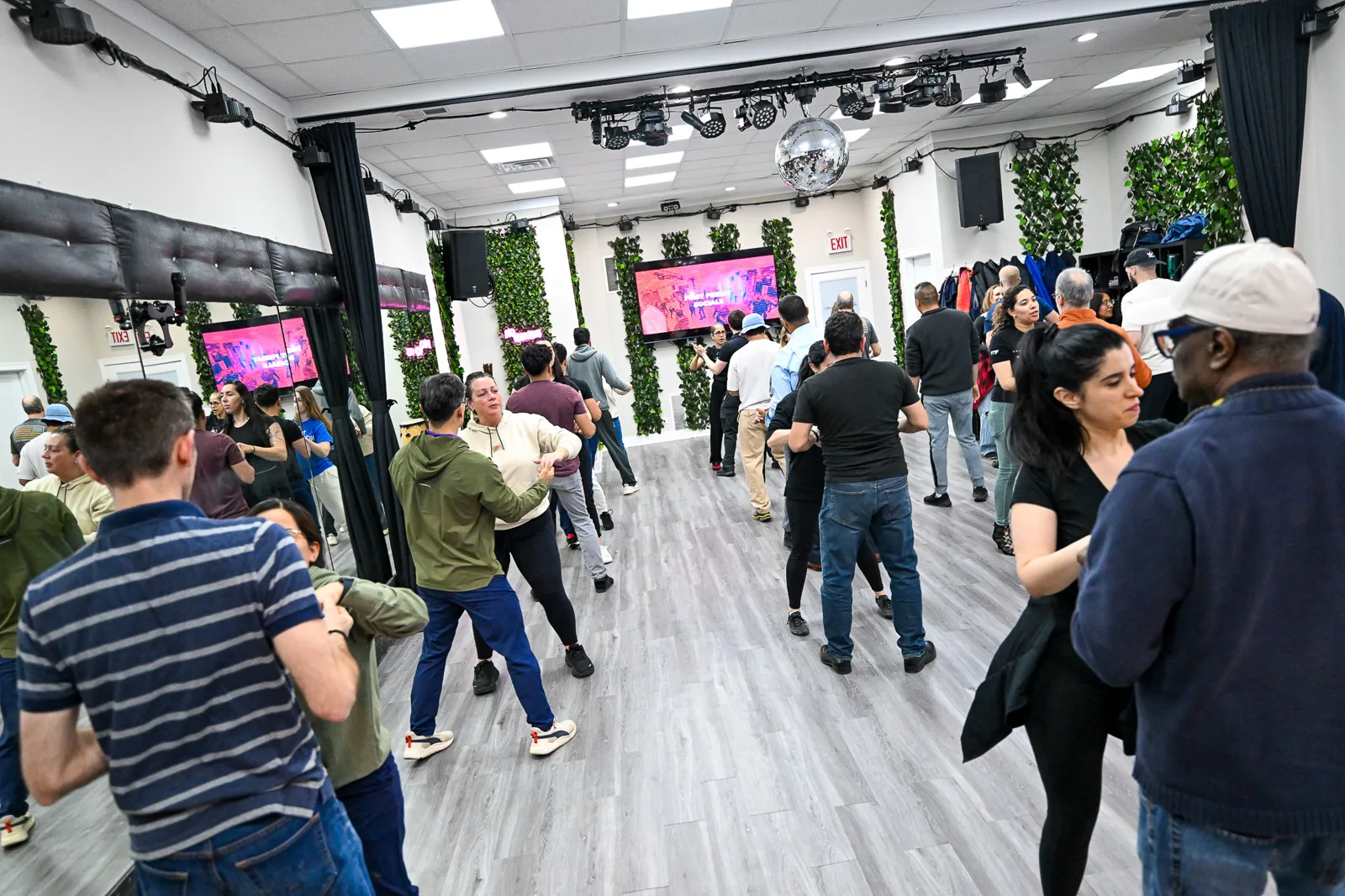
Partner reaction drills build authentic facial projection for social and stage dancers. Stand across from a dance partner without moving your feet. Take turns making subtle facial changes, such as a confident glance or a playful smile, while your partner responds in real time. This exercise breaks rigid performance habits, helping you look relaxed, reactive, and truly present whenever you take the stage.
Questions people ask
Why are facial projection drills important for dance performers?
Facial projection drills ensure your emotions reach every viewer in the room, even those in the back rows. They prevent frozen or nervous expressions while dancing under bright lights. Regular practice turns facial expressions into automatic muscle memory during performances.
How often should I practice stage expression exercises?
You should include expression drills in every practice session or rehearsal warm-up routine. Spending just five to ten minutes focusing on facial focus and eye contact builds long-term confidence. Consistency helps you stay expressive even when executing difficult footwork on stage.
Where can I take performance and dance classes at Dennis PaSamba Dance Company?
Our studio is located at 4820 W. Irving Park Rd. in Chicago, in the Irving Park and Six Corners neighborhood with free parking available. We offer personalized coaching to help you build stage presence and technique. Text or call 717-PaSamba to get more details today.
Visit the studio
Dennis PaSamba Dance Company
4820 W. Irving Park Rd., Chicago, IL 60641
Six Corners · Portage Park · Irving Park
dennispasamba.com · Text/Call 717-PASAMBA ((717) 727-2622)