
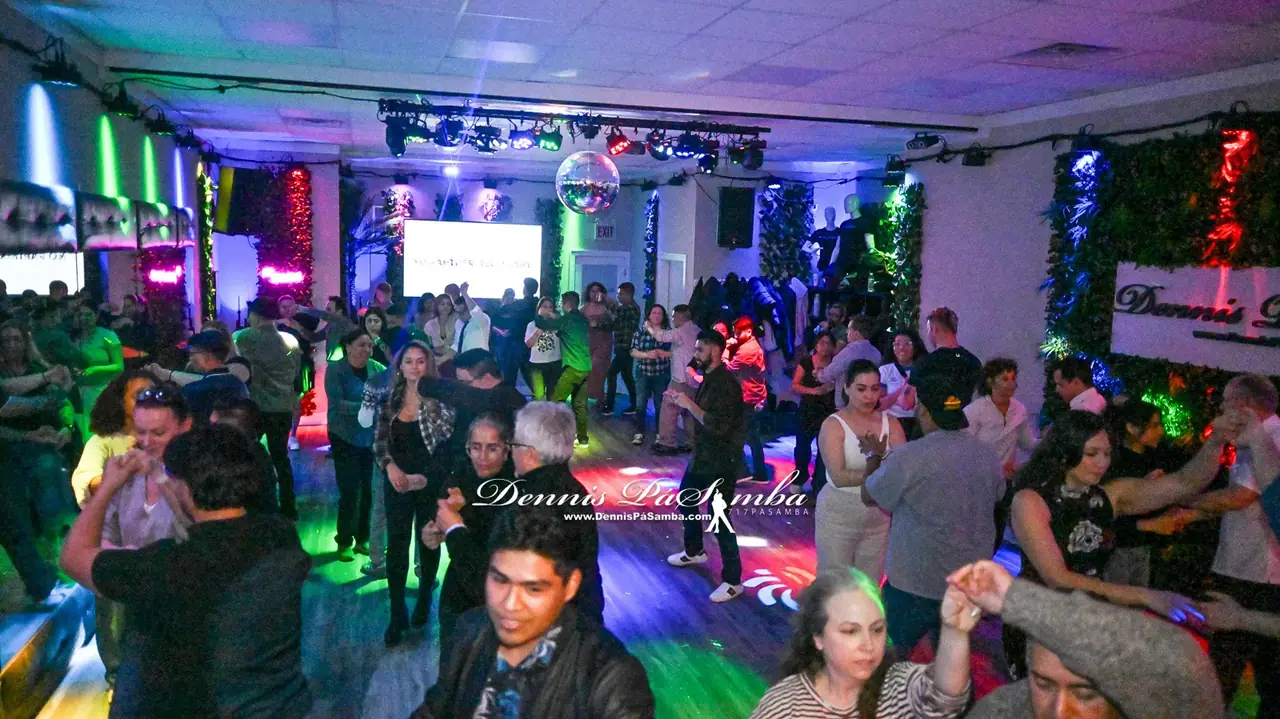
Classic and modern
You will hear older Colombian and Mexican cumbia alongside modern tracks played at parties today. Same rhythm underneath, different sound on top.
How to find the beat
Ignore the singer at first. Listen for the steady scratch or shaker that repeats under the melody and tap your foot to it. That is where your step goes.
The Instruments of Cumbia
Cumbia music is built on a vibrant blend of instruments. Understanding these can help you connect with the rhythm. The percussion section is the heart of cumbia. You will often hear a 'tambora', a double-headed drum that lays down a steady, deep pulse. The 'llamador' drum adds a higher-pitched, insistent beat. Complementing these is the 'alegre' drum, which provides improvisational rhythms. These drums work together to create the foundational cumbia beat.
Beyond the drums, the 'guacharaca' is instantly recognizable. This ribbed gourd scraper creates the iconic 'scratching' sound. It is often the easiest instrument to pick out in the mix. The 'maracas' provide a consistent shaker sound, adding another layer of rhythmic texture. These percussive elements are key to finding your timing in class. Pay attention to how they interact and layer. This helps you internalize the music's structure.
Dance-Friendly Tempo and Structure
The cumbia music chosen for class is always at a comfortable pace. This allows you to focus on learning the steps without feeling rushed. You will find that cumbia's tempo is generally slower than salsa. This makes it very approachable for new dancers. It gives you more time to process the movements. The relaxed pace is perfect for practicing your foundational steps. It builds confidence as you learn.
Cumbia songs typically have a clear, repetitive structure. This structure makes it easier to anticipate changes. You will notice verses, choruses, and instrumental breaks. Each section usually maintains the same underlying rhythm. This consistency is a great aid for dancers. It helps you stay in sync with the music. The repetitive nature allows you to internalize the beat quickly. You can then focus on your footwork and partnership. This predictability is intentional for social dancing. It keeps everyone moving together comfortably. You will find this structure makes the music very danceable. It supports smooth transitions in your steps. Embrace the steady flow of the music. Let it guide your movements on the dance floor. This rhythmic foundation is what makes cumbia so enjoyable for everyone. It is designed to be accessible and fun. The music encourages you to relax and enjoy the moment. Listen for these patterns in class. They will help you improve your dancing.
Evolution of Cumbia Sounds
Cumbia has evolved significantly over time. It has absorbed influences from various genres. You will hear examples of this evolution in class. Traditional cumbia often features acoustic instruments. Over the decades, electric guitars and bass became common. Synthesizers and drum machines also found their way into cumbia. This modernization brought new textures and sounds to the genre. Yet, the core cumbia rhythm remains constant. It is the rhythmic foundation that defines cumbia. This allows for diverse musical interpretations. Different regions developed unique cumbia styles. Mexican cumbia, for example, often has a distinct accordion sound. Colombian cumbia might feature more brass instruments. Each style adds its flavor to the dance. You will experience this variety in class music.
Modern cumbia continues to innovate. Today, artists blend cumbia with electronic music. You might hear reggae or hip-hop influences too. This keeps the genre fresh and exciting. The music chosen for class reflects this diversity. It exposes you to the rich history and future of cumbia. This broad selection helps you appreciate the genre's versatility. It also ensures the music stays engaging. Each song brings a slightly different feel. This helps you adapt your dancing. You learn to move to various interpretations of the same rhythm. This adaptability is a valuable skill for any social dancer. Enjoy the journey through cumbia's musical landscape. It is a genre full of surprises and constant reinvention. The class playlist is curated to celebrate this. You will find something new to love with every beat. It's an exploration of rhythm and culture.
Questions people ask
Can I request a song?
Ask your instructor. If it fits the lesson tempo, it may get played.
Is the music in class always traditional cumbia?
No, the class music includes a mix of classic cumbia and modern interpretations. You will hear both older sounds and newer tracks.
How can I practice listening to cumbia music at home?
Look for playlists online labeled 'classic cumbia' or 'cumbia for beginners.' Focus on the percussion and the steady beat.
Visit the studio
Dennis PaSamba Dance Company
4820 W. Irving Park Rd, Chicago, IL 60641
Six Corners · Portage Park · Irving Park
dennispasamba.com · Text/Call 717-727-2622 (717-727-2622)