
Colombian roots
Cumbia began on Colombia's Caribbean coast, mixing African, Indigenous and Spanish influences. Over the years each country added its own sound, which is why you hear it at so many family parties.
Why beginners like it
The basic is a relaxed step back and forward on a steady beat. There is no rush, and turns are simple. You can dance at a party after one class.
How it differs from salsa
Cumbia is slower and looser. Salsa is quicker, with more spins and tighter timing.
Cumbia music explained
Cumbia music has a distinctive sound. Traditional cumbia uses drums, flutes, and sometimes a guacharaca, which is a percussive instrument scraped with a fork. Modern cumbia often includes accordions, guitars, and synthesizers. The rhythm is generally in 4/4 time, making it easy to follow. This steady beat is perfect for new dancers. It helps you find your timing quickly. The music encourages a relaxed, flowing movement. You can find cumbia in many different styles. There's traditional Colombian cumbia, Mexican cumbia, and cumbia villera from Argentina, among others. Each style has its own flavor but maintains the core cumbia rhythm. Listening to the music helps you understand the dance better. It's a joyful and energetic sound that makes you want to move. The instruments tell a story through their melodies. This musical foundation is key to enjoying cumbia dance. It's a celebration of culture and rhythm. The music is often upbeat and celebratory. It's common to hear cumbia at festivals and social gatherings. The variety in cumbia music means there's always something new to discover. You'll recognize the sound once you've danced to it. The unique blend of instruments creates its characteristic charm.
Basic cumbia steps and movement
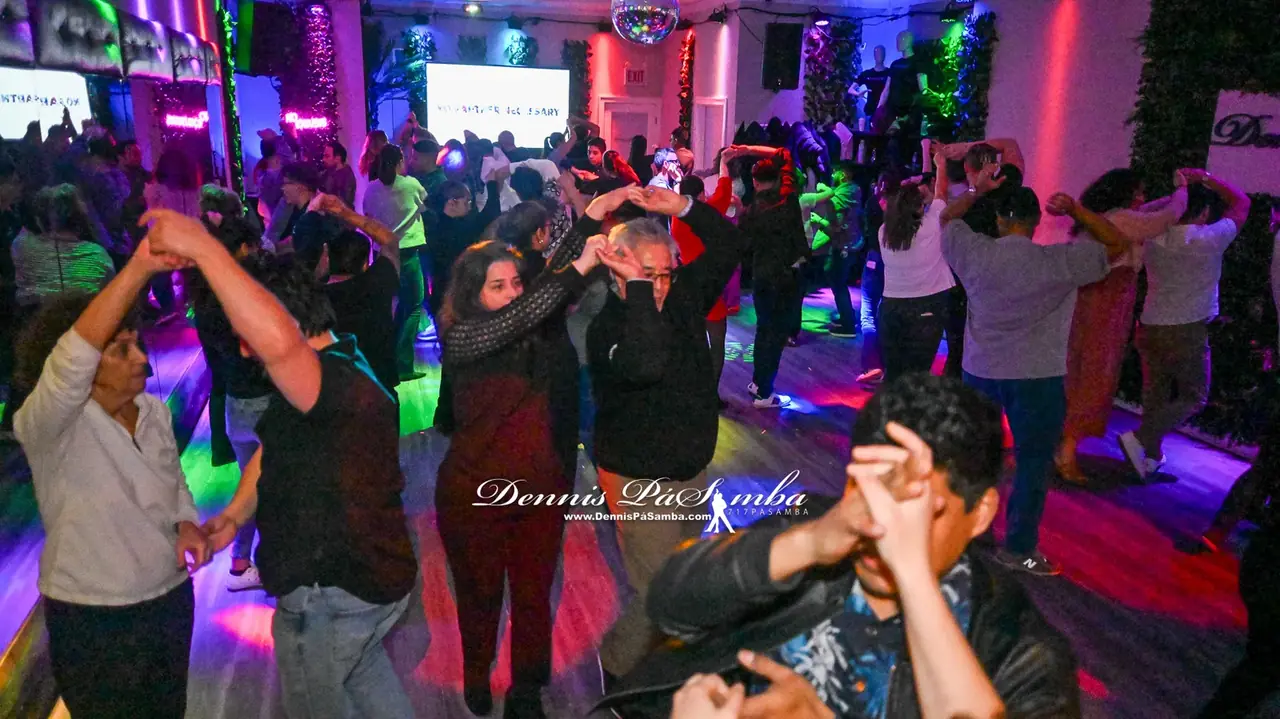
The fundamental cumbia step involves a gentle sway and a shift of weight. Dancers step back, then bring the foot forward, alternating sides. This creates a smooth, flowing motion. The hips move naturally with each step. It's more about feeling the rhythm than executing complex patterns. The basic step allows for easy turns and simple figures. You don't need fancy footwork to enjoy cumbia. The connection with your partner is important. Partners typically hold hands in a comfortable frame. This allows for clear leading and following. The steps are designed to be intuitive. You'll quickly get the hang of the basic rhythm. Once you're comfortable with the basic step, you can add simple turns. These turns are typically gentle and unhurried. The focus is on a continuous, fluid movement across the floor. Cumbia encourages a relaxed posture. It's a dance that invites you to feel the music. The natural flow makes it accessible for everyone. Your instructor will guide you through each motion. We teach the steps clearly and patiently. This helps you build confidence on the dance floor. The basic movements are the foundation for all cumbia. Mastering them opens up more possibilities. It's about enjoying the journey of the dance. The steps are simple yet elegant. You'll be dancing with ease in no time.
Cumbia's cultural impact
Cumbia is more than just a dance; it's a significant part of Latin American culture. It's a symbol of identity and celebration in many countries. The dance often tells stories through its movements and music. It represents a blend of heritage, showing how cultures can unite through art. Cumbia is commonly danced at family gatherings, weddings, and community events. It brings people together on the dance floor. Many people learn cumbia from a young age. It's passed down through generations. This makes it a cherished tradition. The costumes in traditional cumbia are also very distinctive. Women often wear long, colorful skirts that flow with their movements. Men might wear traditional hats and white shirts. These outfits add to the festive atmosphere of the dance. Cumbia's popularity continues to grow globally. It's an accessible dance that welcomes everyone. Learning cumbia offers a peek into a rich cultural heritage. It's an experience that connects you to vibrant traditions. The dance embodies joy and community spirit. It serves as a reminder of shared history. Experiencing cumbia means experiencing a piece of a broader cultural tapestry. It's a wonderful way to engage with Latin American traditions.
Questions people ask
Is cumbia danced with a partner?
Usually, yes. It can also be danced alone at parties.
Do I need special shoes for cumbia?
Comfortable shoes with a smooth sole are best. Avoid sneakers with too much grip. You want to be able to turn easily.
Can I learn cumbia if I have no dance experience?
Yes! Cumbia is one of the easiest Latin dances for beginners. Its relaxed pace makes it very approachable for new dancers.
Visit the studio
Dennis PaSamba Dance Company
4820 W. Irving Park Rd., Chicago, IL 60641
Six Corners · Portage Park · Irving Park
dennispasamba.com · Text/Call 717-PASAMBA ((717) 727-2622)