
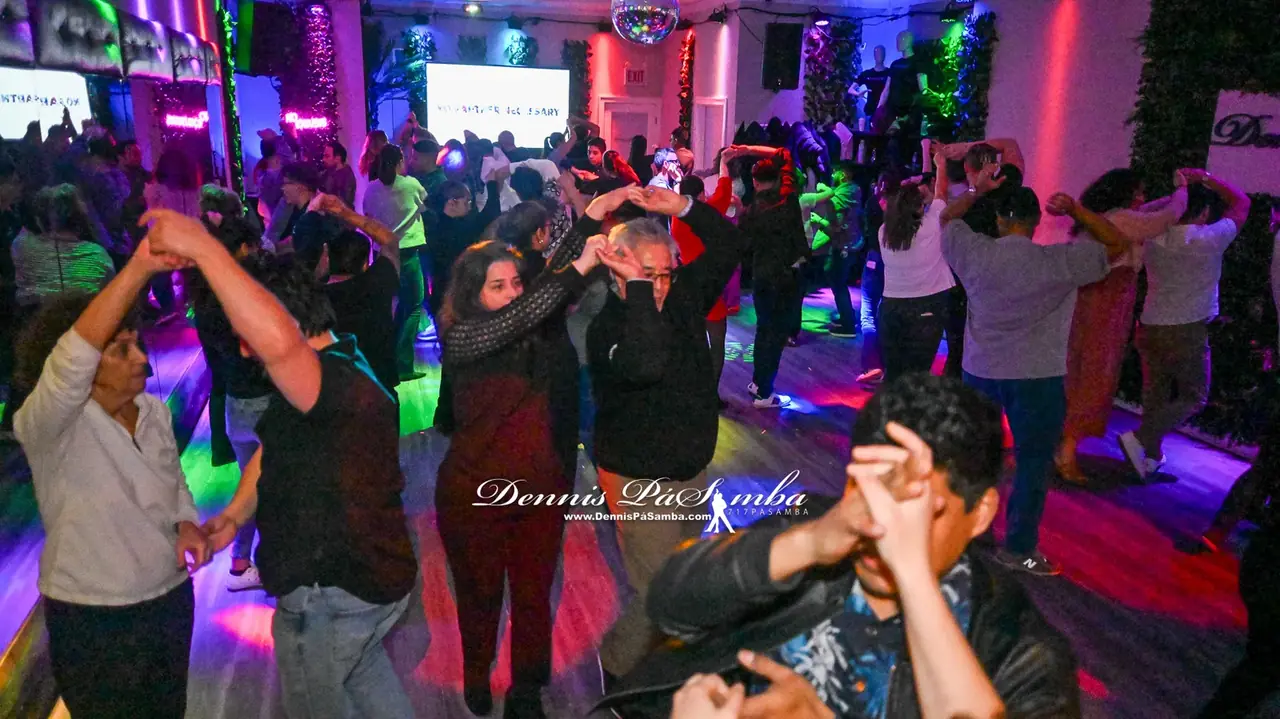
Salsa
Faster music, steps forward and back, and turns from the first session.
Bachata
A slow side step, three steps and a tap, danced closer to your partner.
Which to pick
If you like energy and spinning, start with salsa. If you want something calmer, start with bachata.
The Music Behind the Moves
Salsa music often features a strong, driving rhythm with instruments like congas, timbales, and trumpets. It has a lively, upbeat feel that makes you want to move. Listen for a distinct, energetic pulse that encourages rapid footwork and dynamic turns. The tempo is usually faster, creating an exhilarating dance experience. You'll hear influences from Cuban son, mambo, and other Afro-Caribbean styles. The instrumentation contributes significantly to salsa's high-energy character. It's designed to make dancers feel the rhythm intensely and express it through quick, intricate movements. The music is a key reason salsa feels so vibrant and exciting. Understanding the musicality helps dancers connect with the dance on a deeper level. This vibrant soundscape is a hallmark of salsa's appeal. It’s what powers the turns and the energetic expression that makes salsa so captivating. The varied rhythms within salsa music also allow for different interpretations and styling.
Cultural Roots and Evolution
Salsa originated in New York City, blending Cuban, Puerto Rican, and other Latin American musical traditions. It emerged from a melting pot of cultures, creating a dynamic and evolving dance form. Its name, meaning 'sauce' or 'flavor,' reflects its diverse ingredients and spicy character. The dance grew popular in the 1970s and has since spread globally. Different styles of salsa, like New York, Los Angeles, and Cuban, have developed, each with unique nuances. These styles showcase the dance's adaptability and rich history. Salsa is deeply rooted in social dancing and community gatherings. Bachata comes from the Dominican Republic, evolving from a style of guitar music. It was initially a more marginalized musical form, associated with rural and working-class communities. The music and dance slowly gained wider acceptance, eventually becoming a global phenomenon. Bachata often expresses themes of heartbreak and romance, reflecting its origins in love songs. Modern bachata has incorporated influences from other genres, leading to new styles. Despite its humble beginnings, bachata has become a beloved dance worldwide. Both dances have rich histories that contribute to their unique character. Learning about their origins enhances appreciation for the dance. It helps dancers understand the emotion and context behind the steps. The journey from local traditions to global stages highlights their universal appeal. These cultural stories are woven into every beat and every step you learn.
Social Dance Environment
Salsa social dances are typically lively, energetic events where dancers enjoy fast-paced music and dynamic partner work. The atmosphere is often bustling with continuous movement and upbeat rhythms. Dancers frequently switch partners, making it a great way to meet new people. There's a strong emphasis on improvisation and creative expression on the dance floor. The energy is infectious, encouraging everyone to join in the fun. Bachata socials, while also social, tend to have a more intimate and sensual feel. The slower tempo and closer embrace promote a different kind of connection between partners. Dancers often stay with one partner for longer, focusing on fluid movements and musicality. The mood is typically more relaxed and romantic, with a focus on smooth transitions. Both dances are wonderful for social interaction and building connections. They offer distinct social experiences tailored to different preferences. You'll find a welcoming community in both. Choosing which to dance might depend on the kind of social experience you seek. Both provide excellent opportunities to practice what you learn in class. They are fantastic ways to enjoy music and movement with others. The choice offers a different kind of connection on the dance floor. Whether you prefer high-energy or more intimate, there is a social dance for you.
Questions people ask
Can I take both?
Yes. A second style in the same session is $55.
Can I switch from Salsa to Bachata later?
Yes. Many dancers learn both. You can try a different style anytime.
Do I need special shoes for Salsa or Bachata?
Comfortable shoes that can slide a little are best. Avoid rubber soles. Dance shoes are good but not required for beginners.
Visit the studio
Dennis PaSamba Dance Company
4820 W. Irving Park Rd., Chicago, IL 60641
Six Corners · Portage Park · Irving Park
dennispasamba.com · Text/Call 717-PASAMBA ((717) 727-2622)